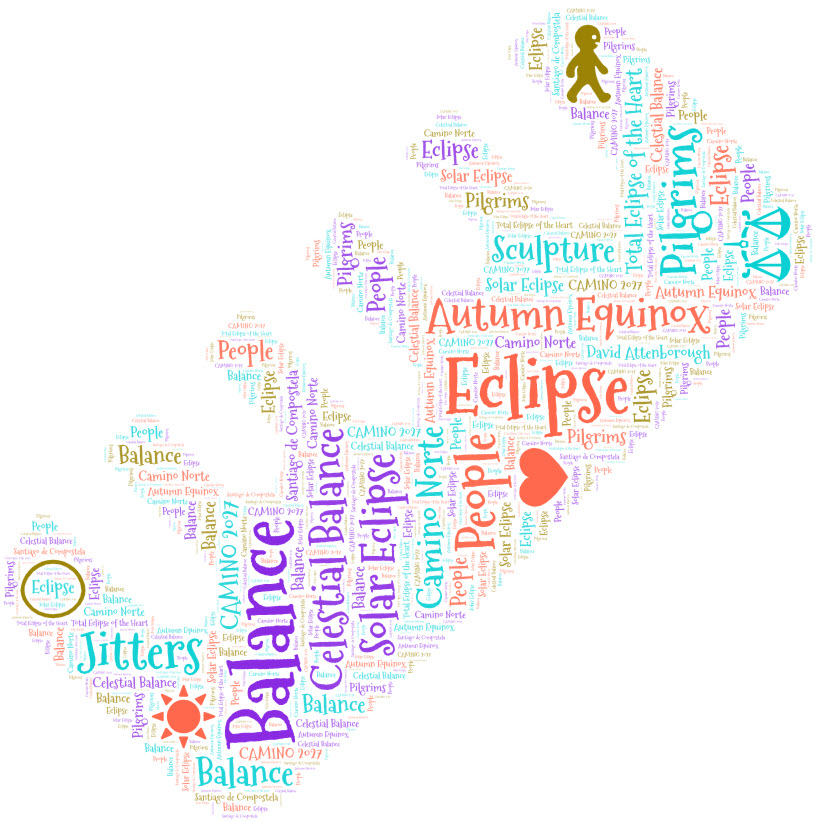
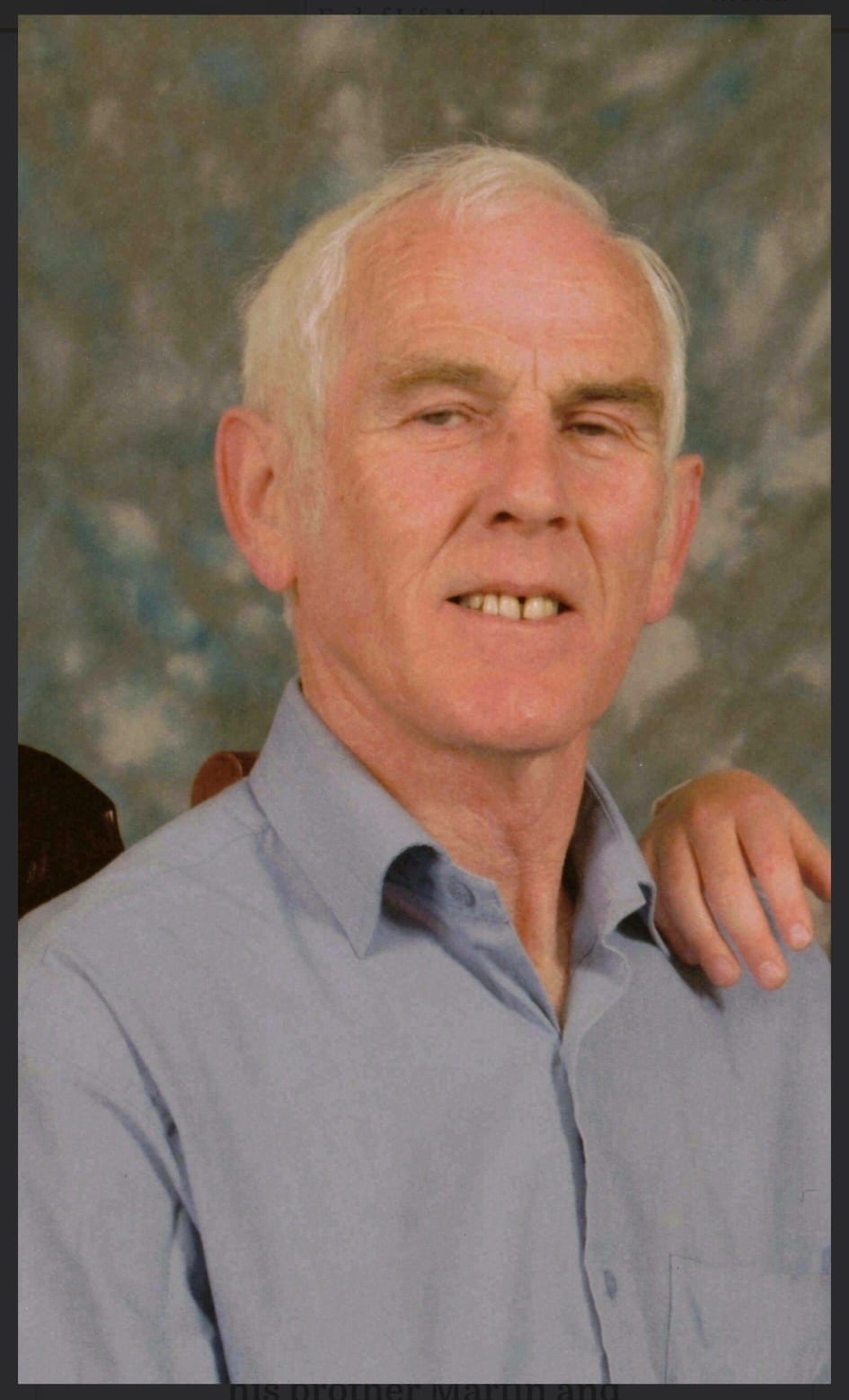
This week is a most significant week in my wee brain. Dad would be 96yo today (22 Sept). The Autumn Equinox occurs tomorrow at 1.04am here in Ireland. We are at celestial balance. A very significant “Balance” for nature, and more importantly, our mind, body and soul. These YouTube clips will explain so much better than I could elaborate. So as we pass through this annual balancing of the light, I think it appropriate that we also take time to really think about getting some “Balance” into our lives. If it is something you practice than I applaud you, If it is not, then I can only ask you to consider to Prioritise Balance.
As always, I have checked Hyperlinks so go ahead and wonder around this blog.
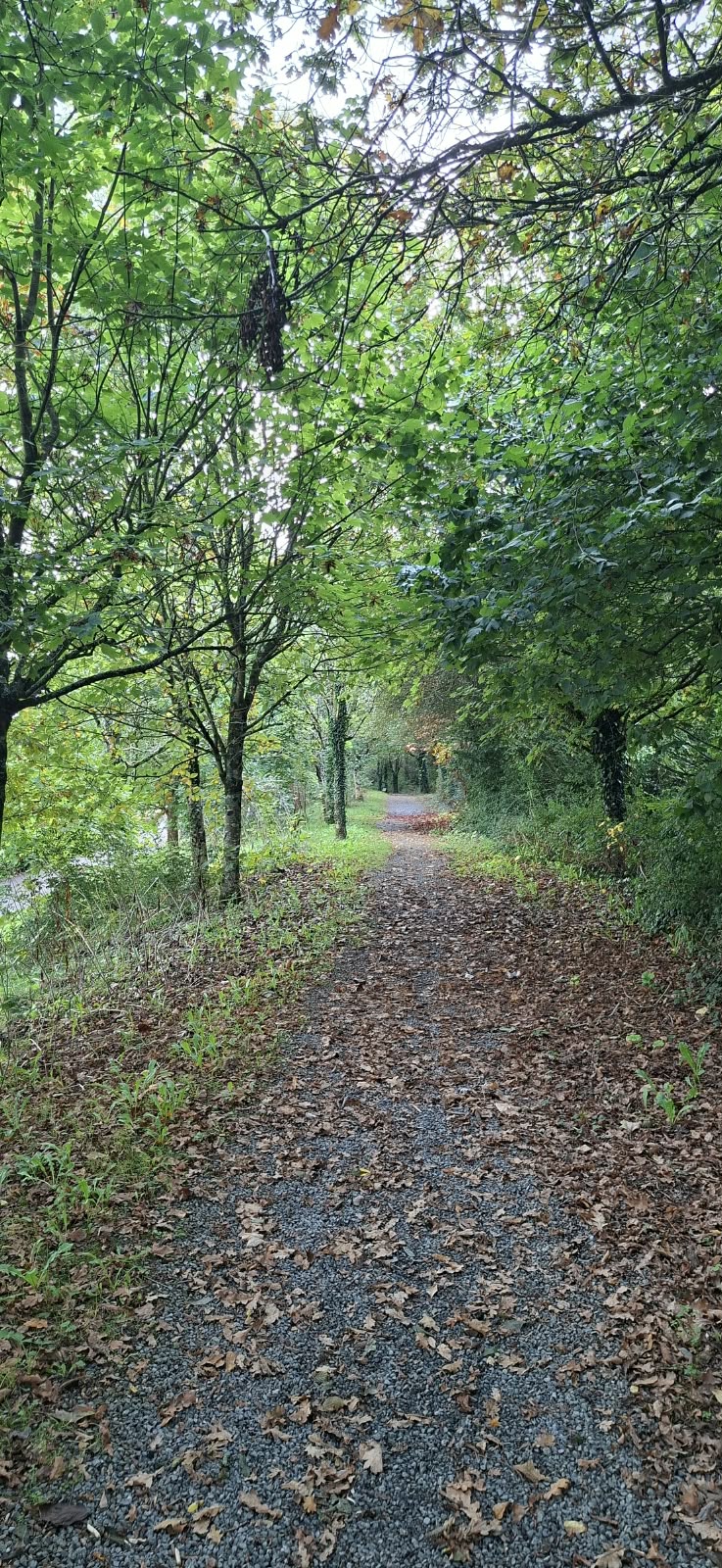
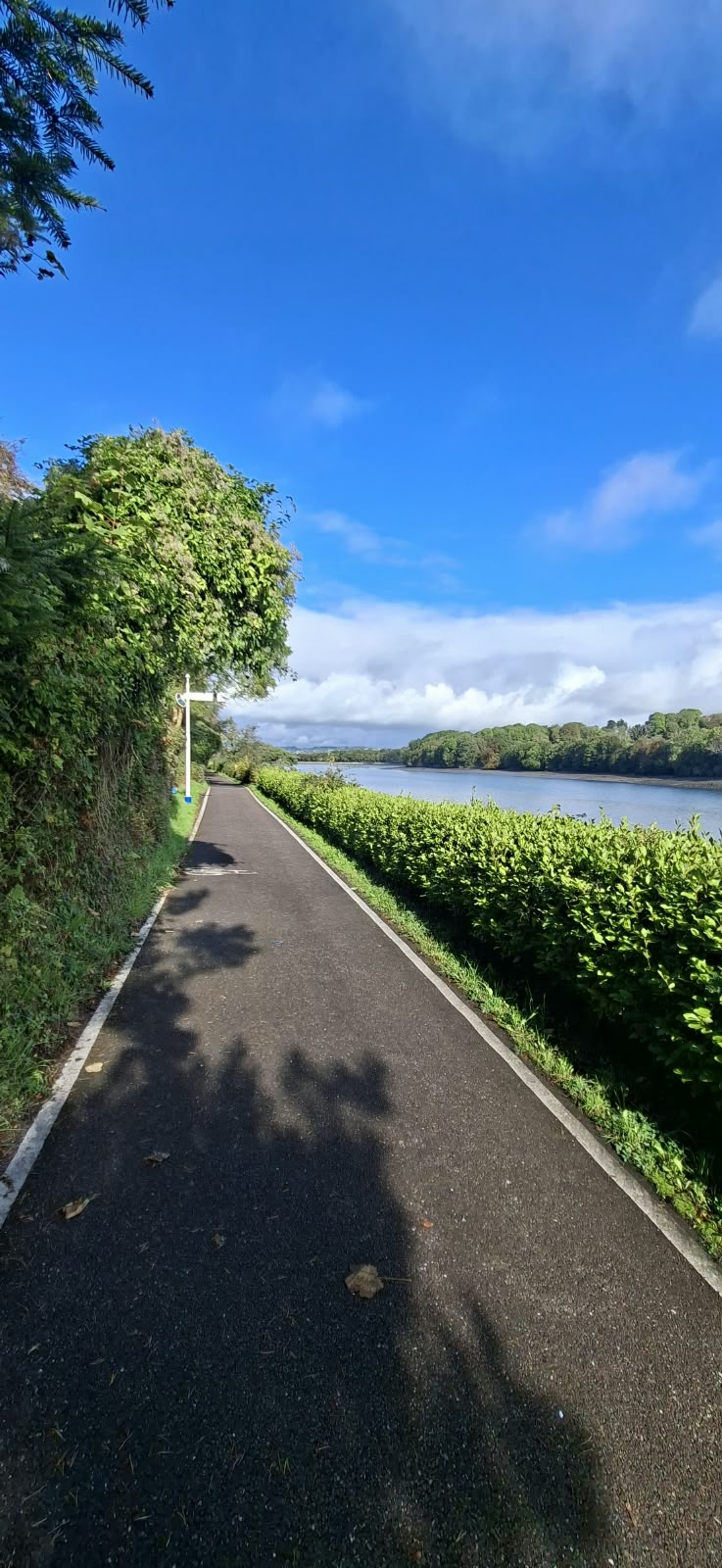
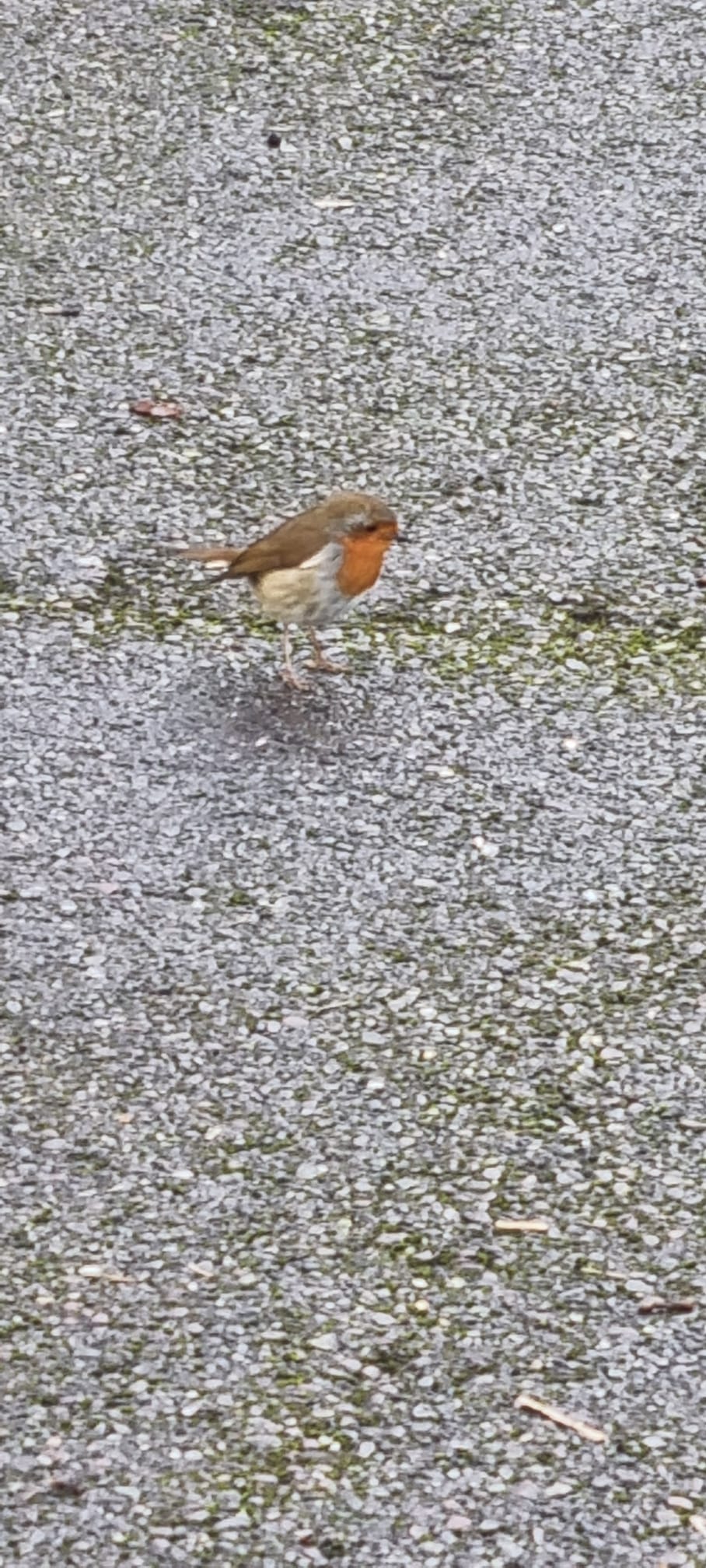
The Crosshaven walk returns to my legs this week for the winter season and the robins start screeching (WTF you doing in my patch 🐦⬛) as we navigate along this lovely railway walk. I’ll also get off the backside and publish a ‘Blog’ this week as the closing in of the dark evenings elbows some room at the desk.
Total Eclipse of the Heart
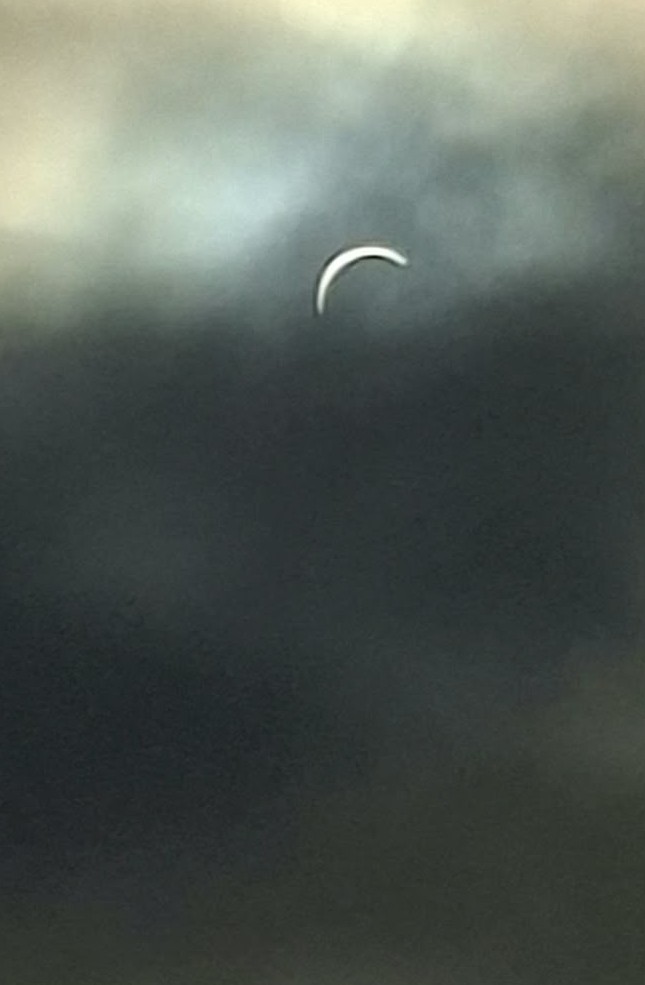
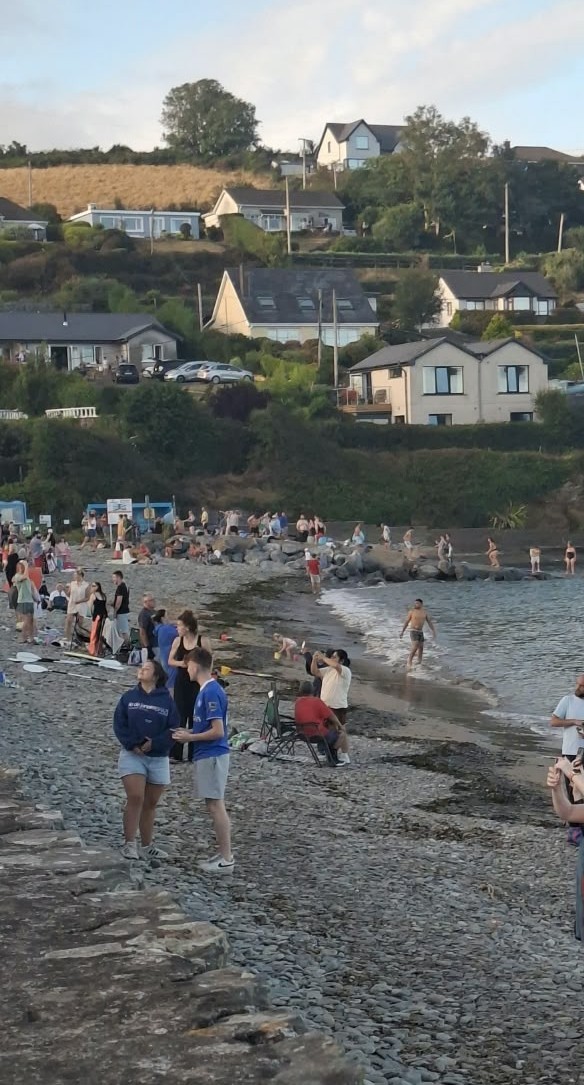
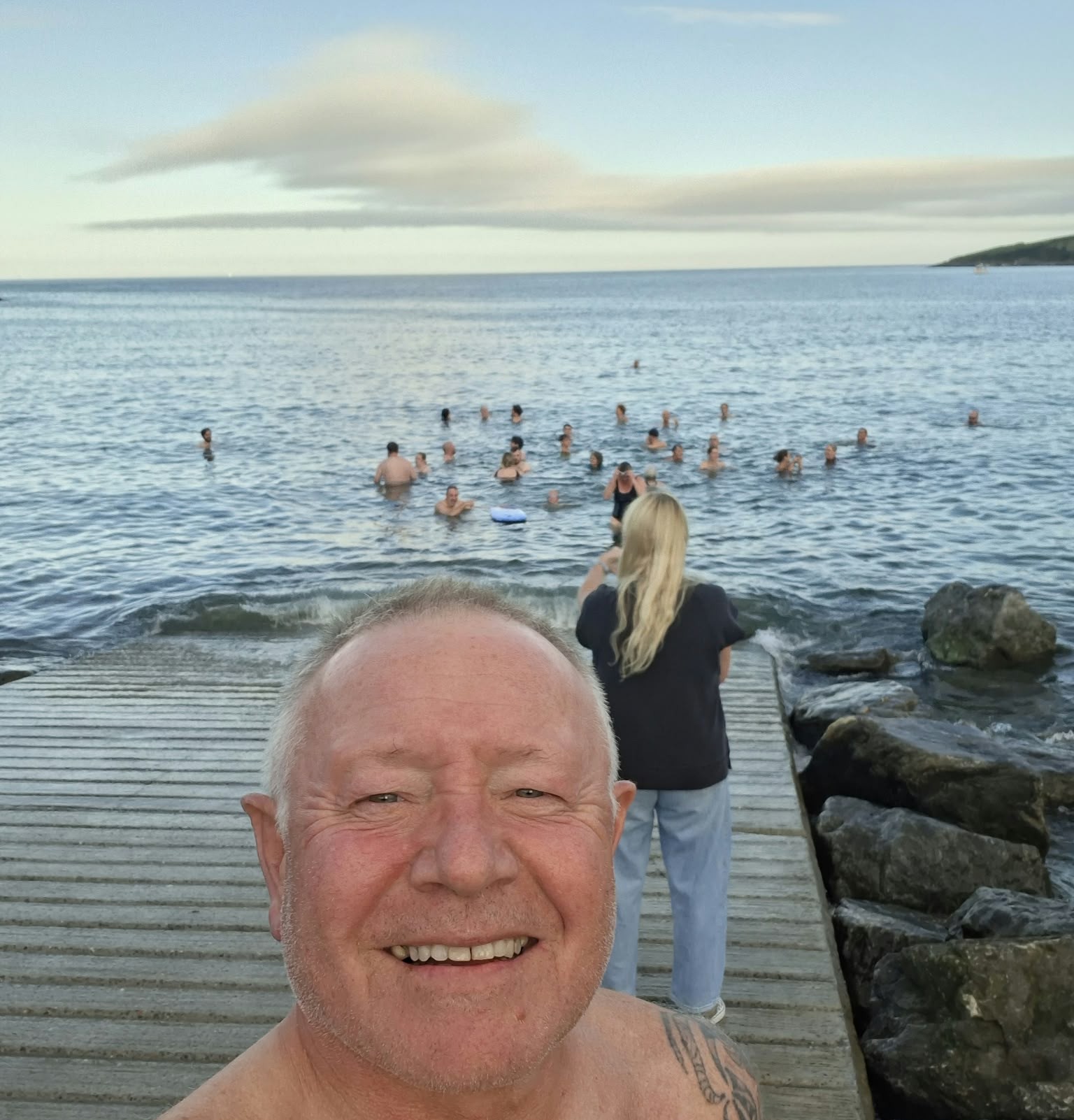
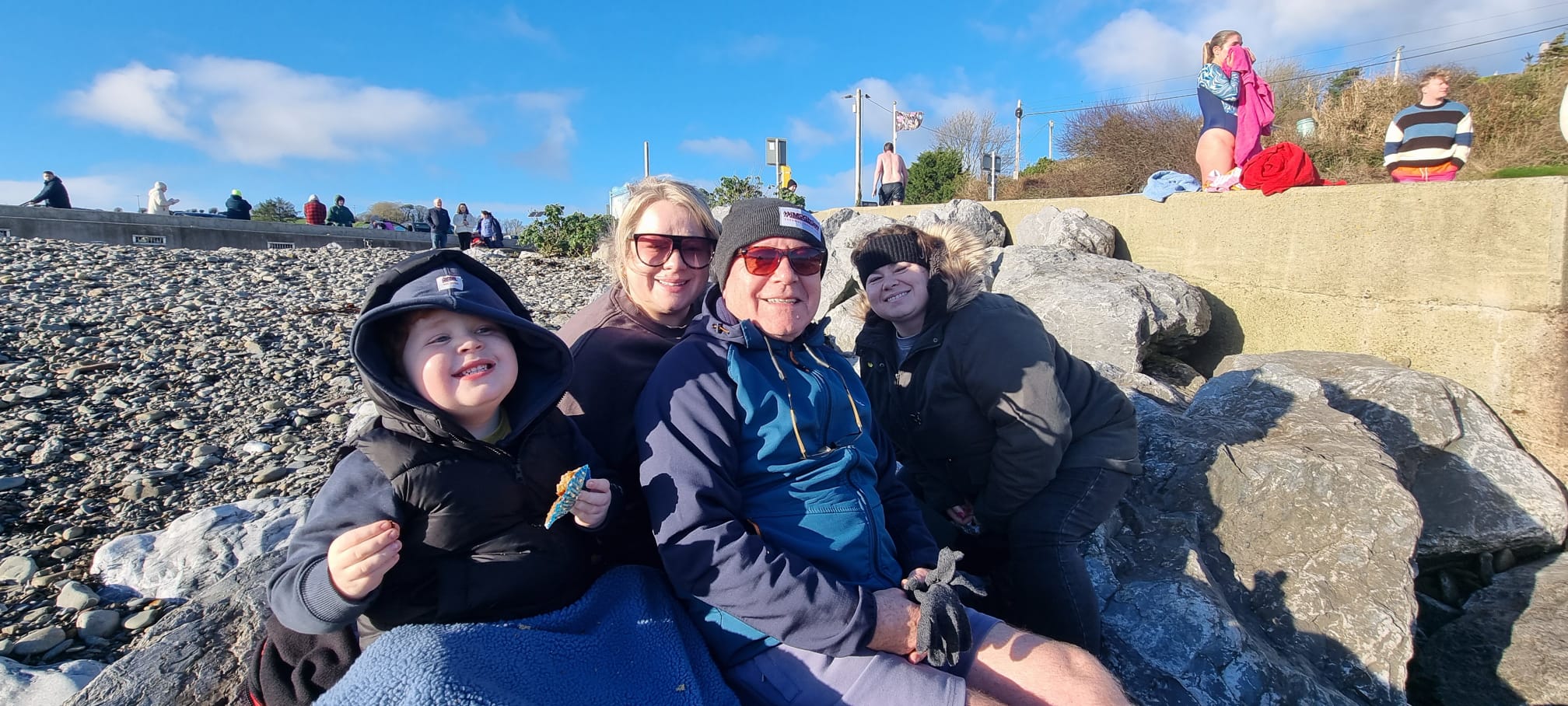
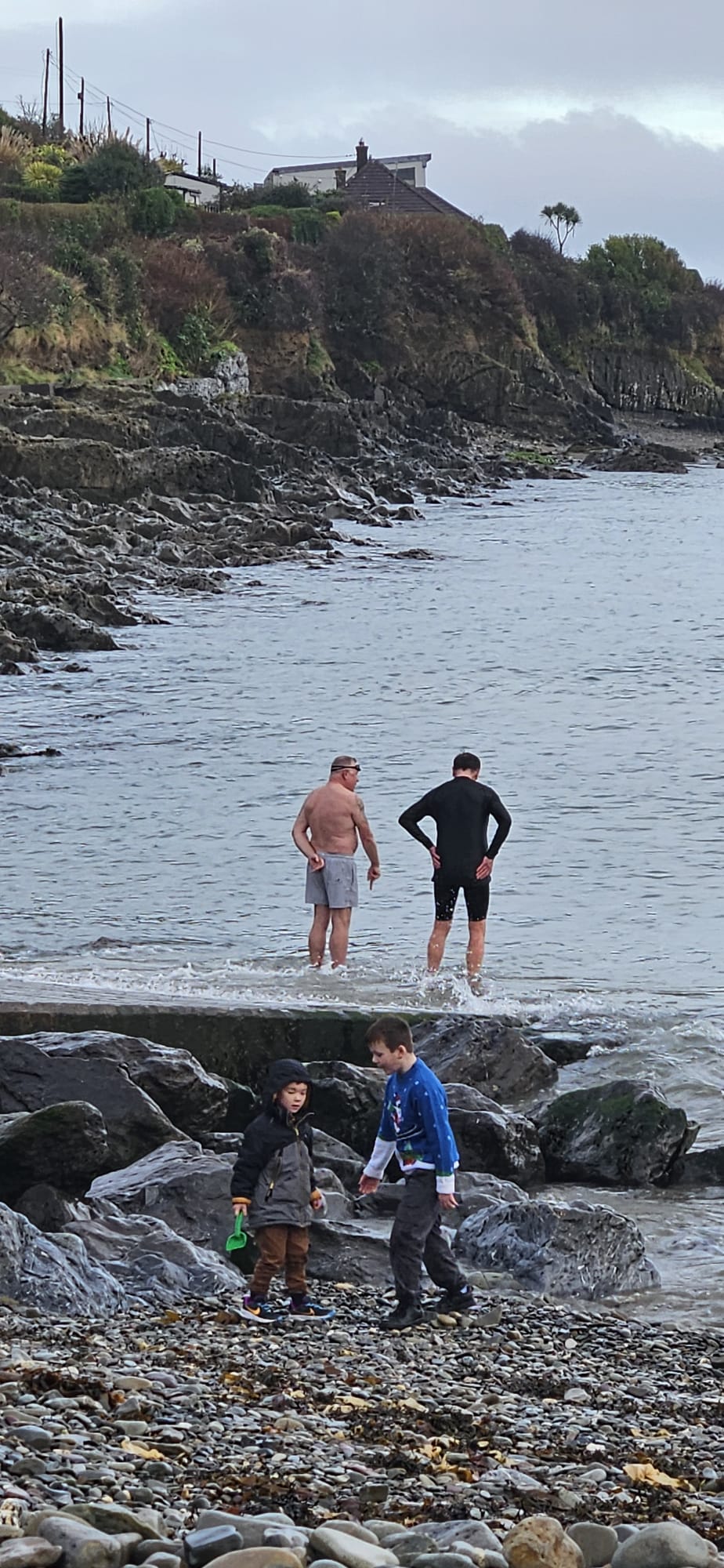
August 12 2026 and Ireland experienced a near total eclipse of the Sun. And as coincidence and luck would have it the next total Solar Eclipse will be 23 September (2090, a mere 64 years from tomorrow). It occurred around tea time here in Ireland and although cloudy around many parts of the country significant numbers glimpsed the eclipse as it proceeded. I joined the Eclipse party in Fountainstown and huge numbers experienced an evening swim as the eclipse reached its near totality. (96%). I shared my Solar Viewers with as many as I could over the two hours as many were not able to get their hands on them in the run-up to the event. A fantastic, enjoyable event even if the clouds did try hard to spoil the party.
Sadly, Bonnie Tyler had passed a few weeks earlier on July 8th. Her enormous hit “Total Eclipse of the Heart” was belted out everywhere during our celestial event.
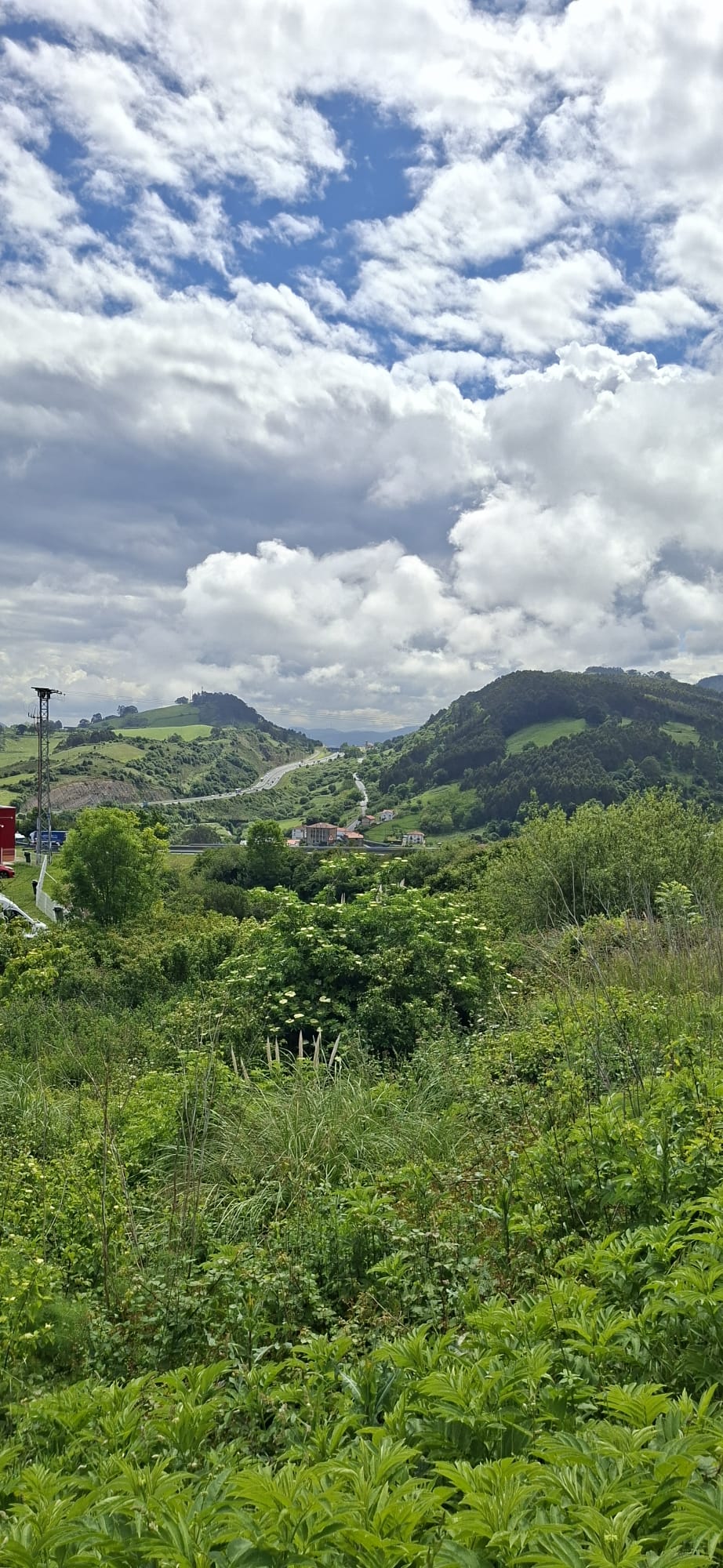
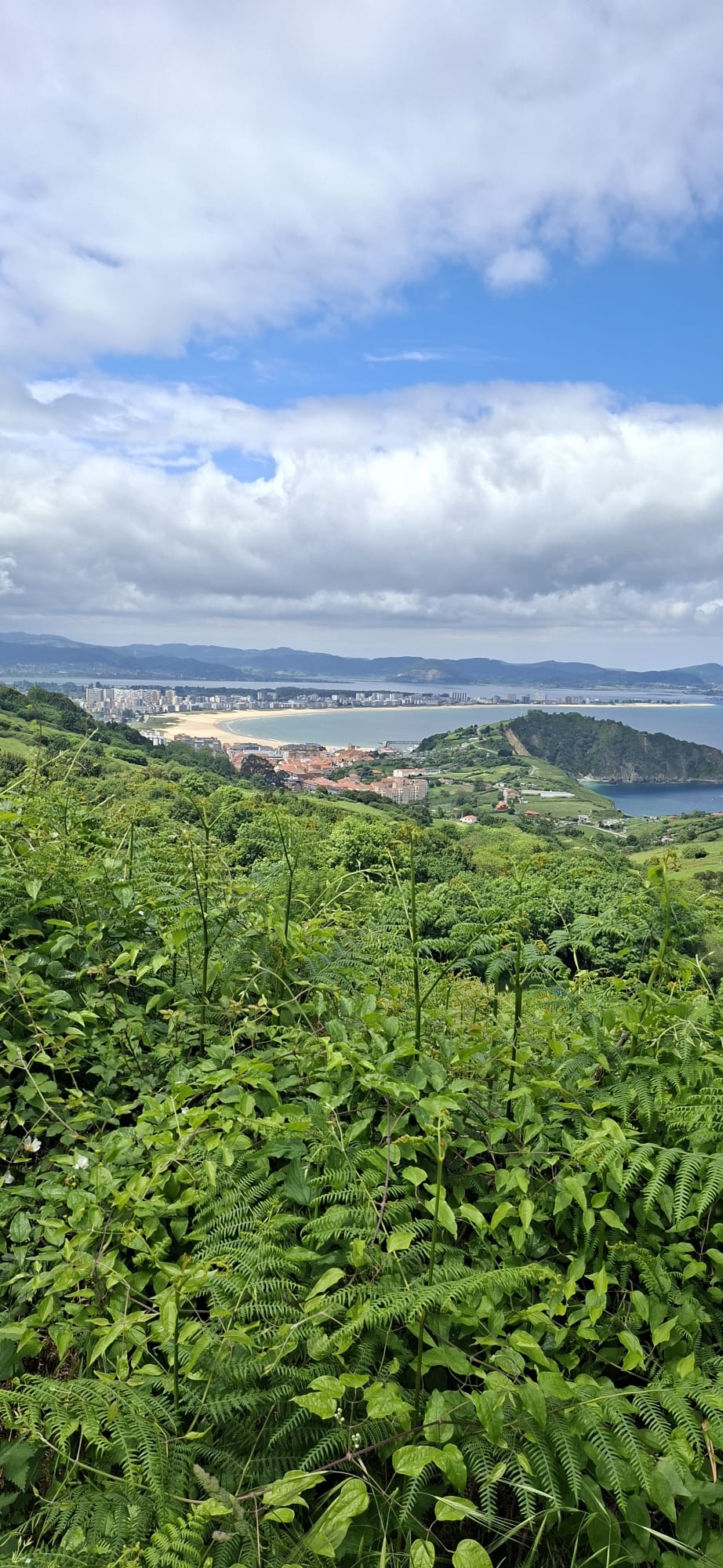
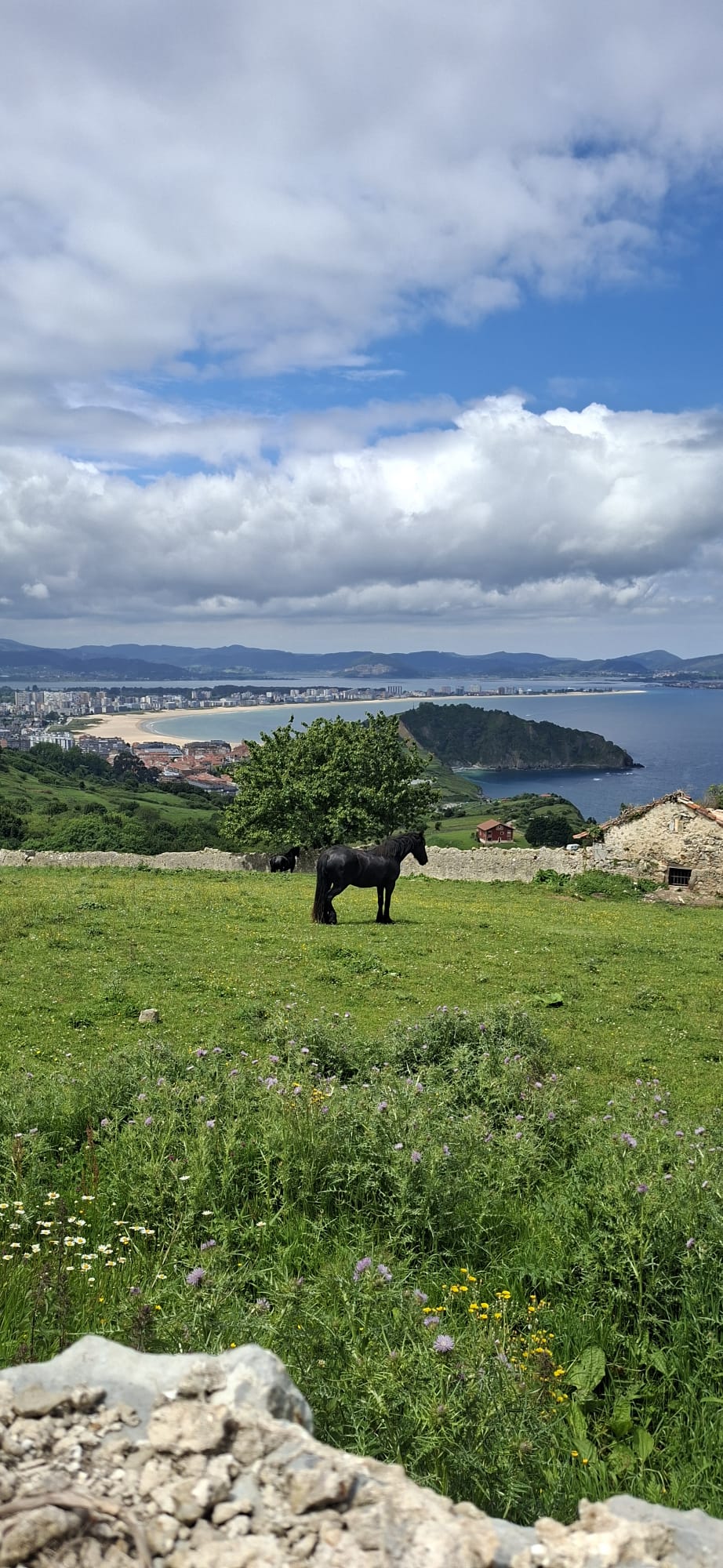
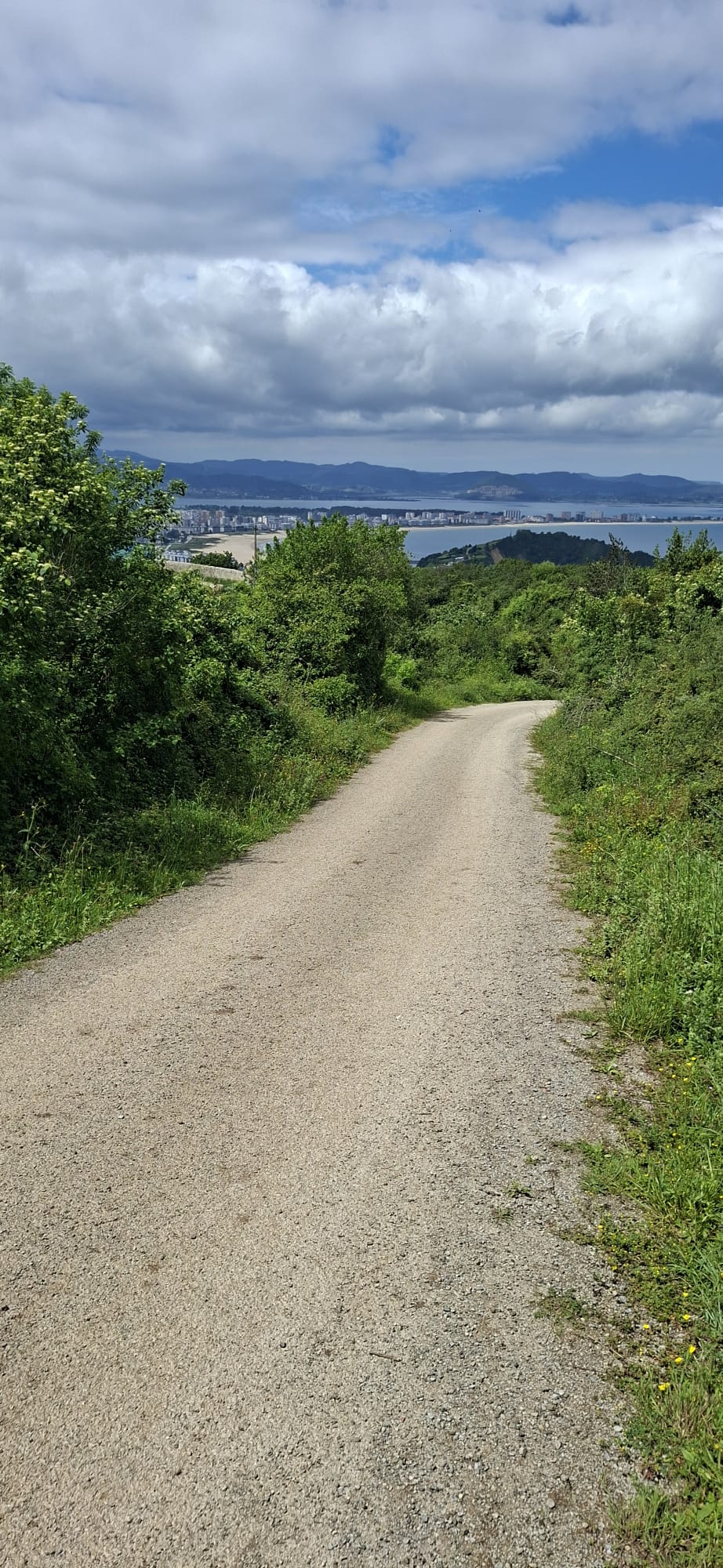
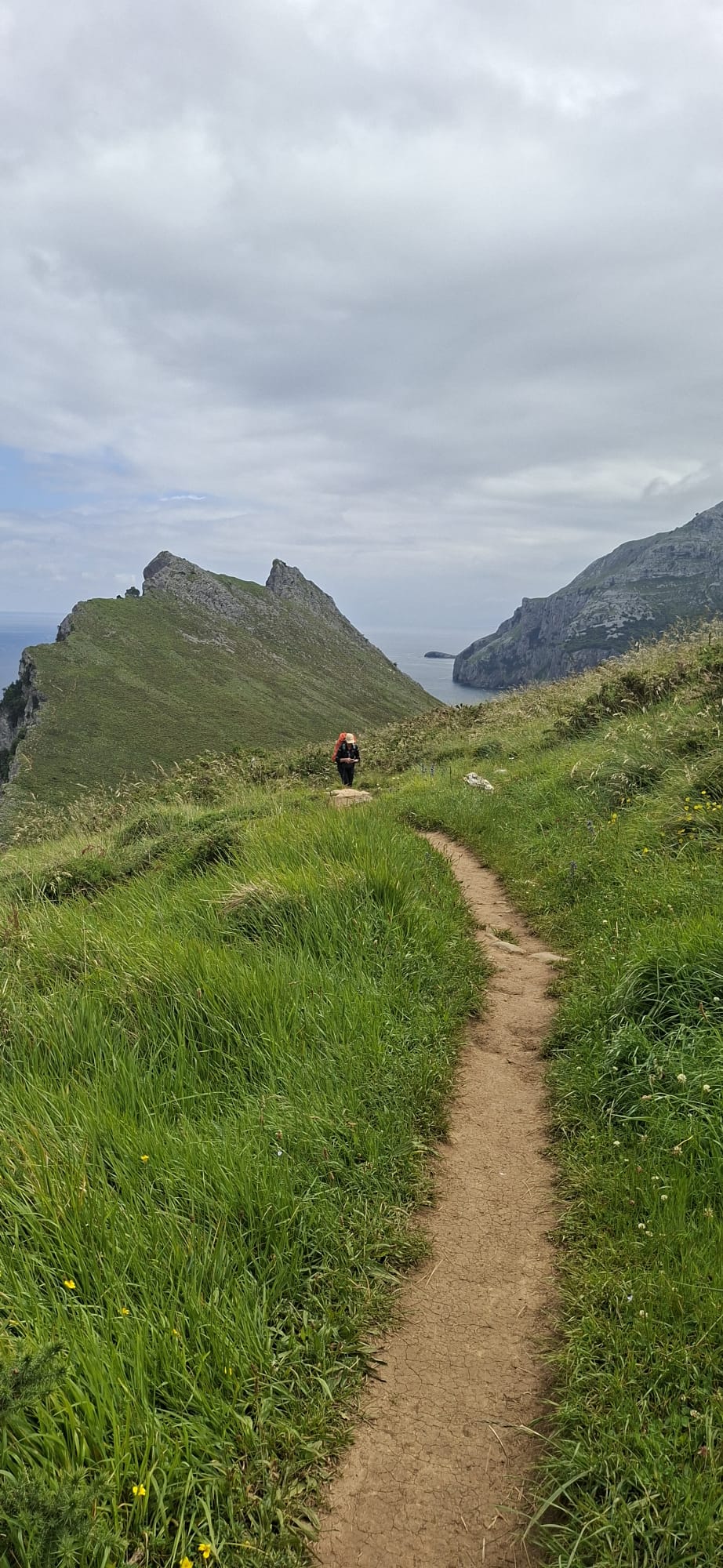
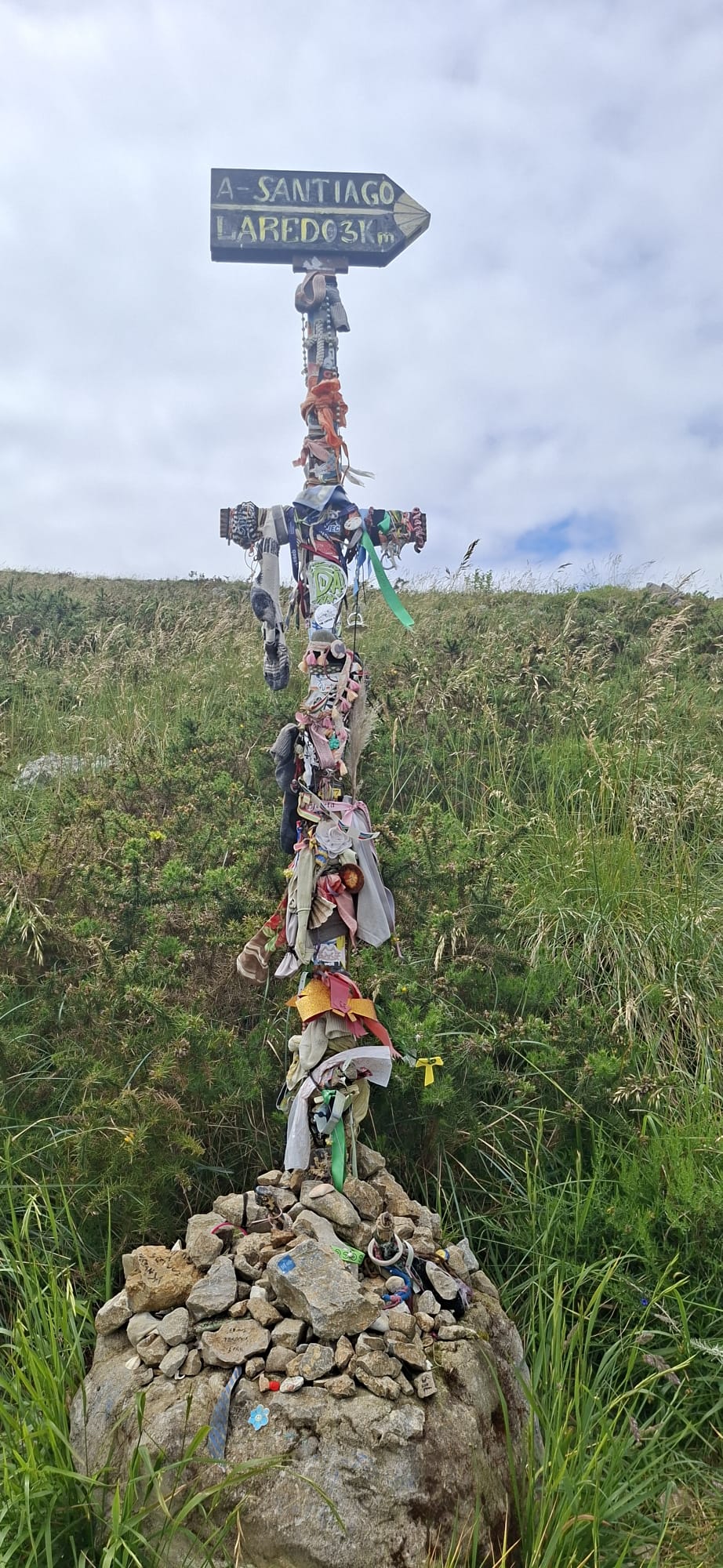
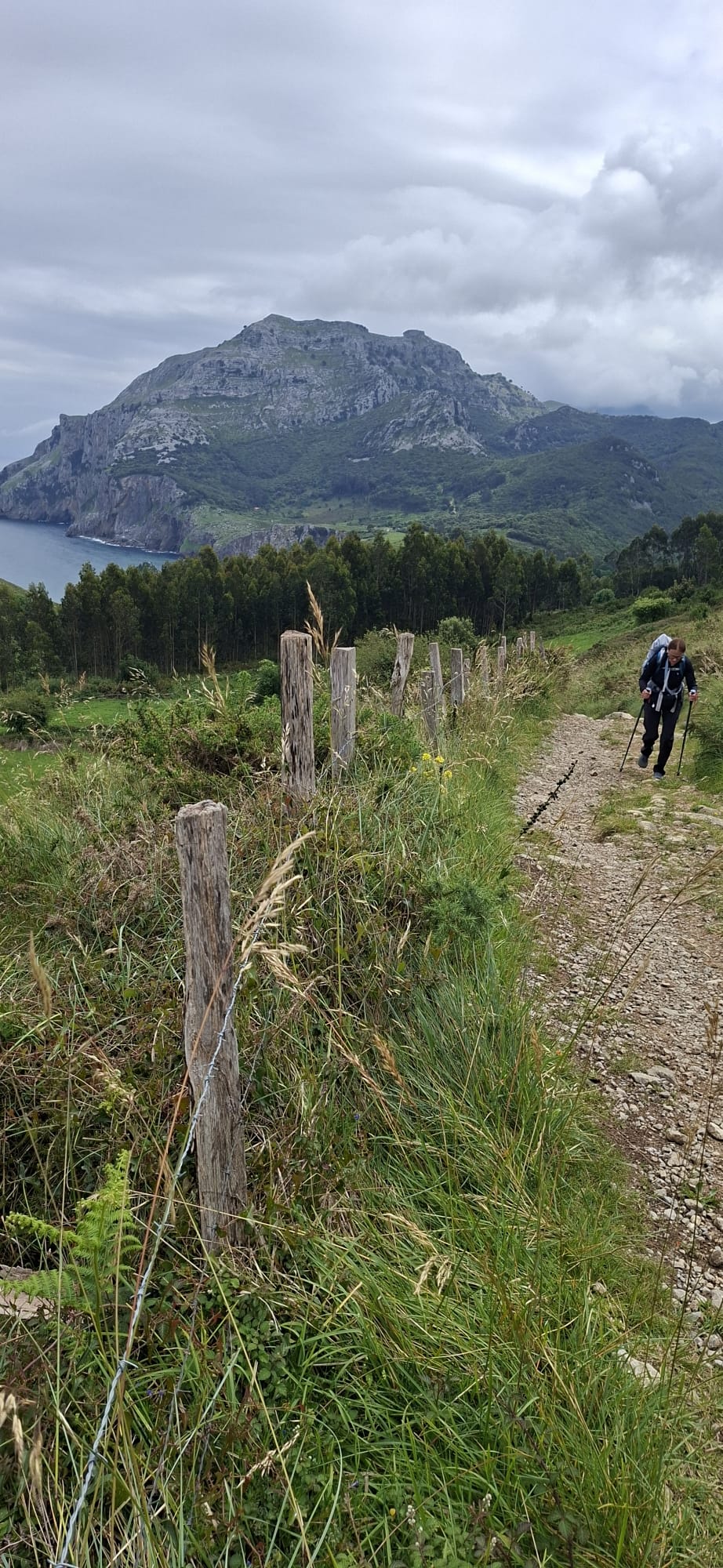
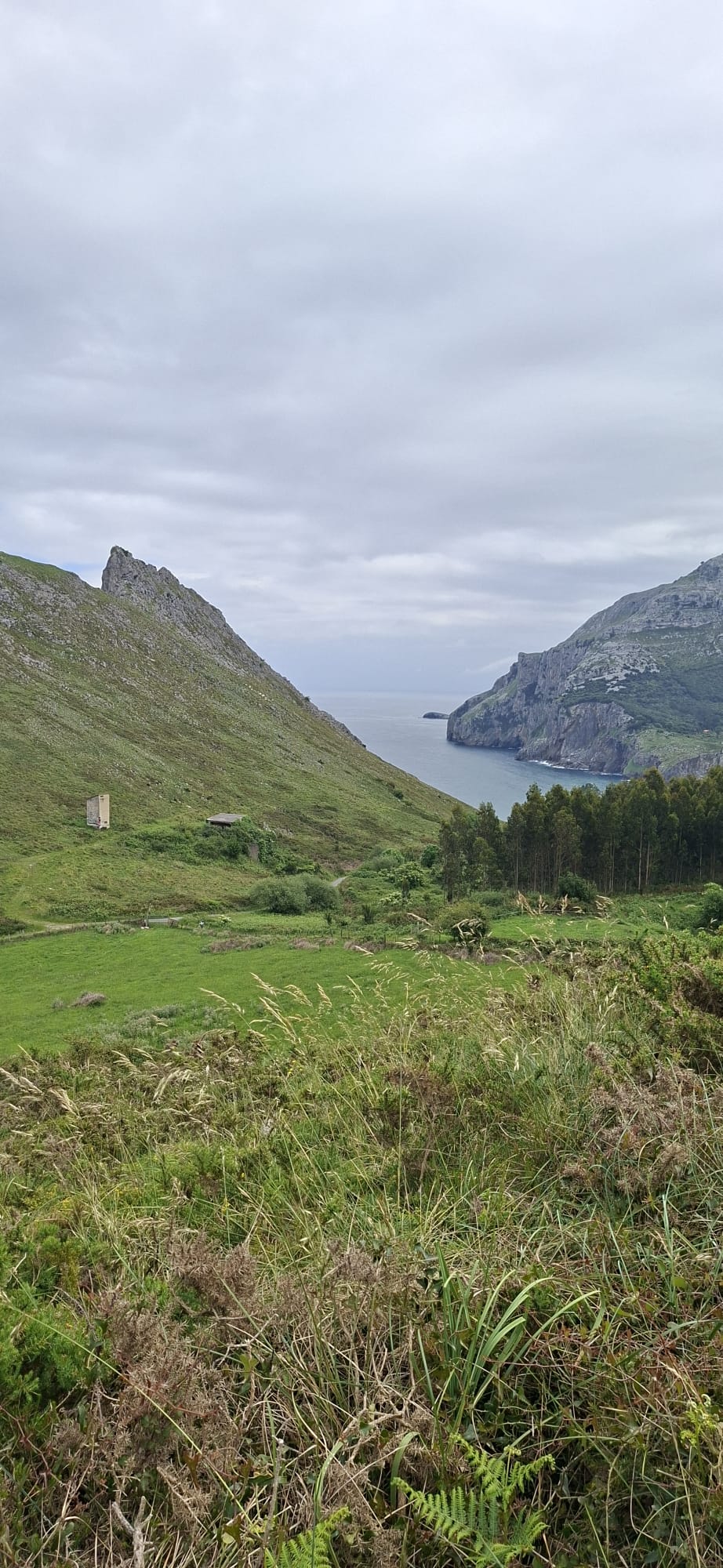
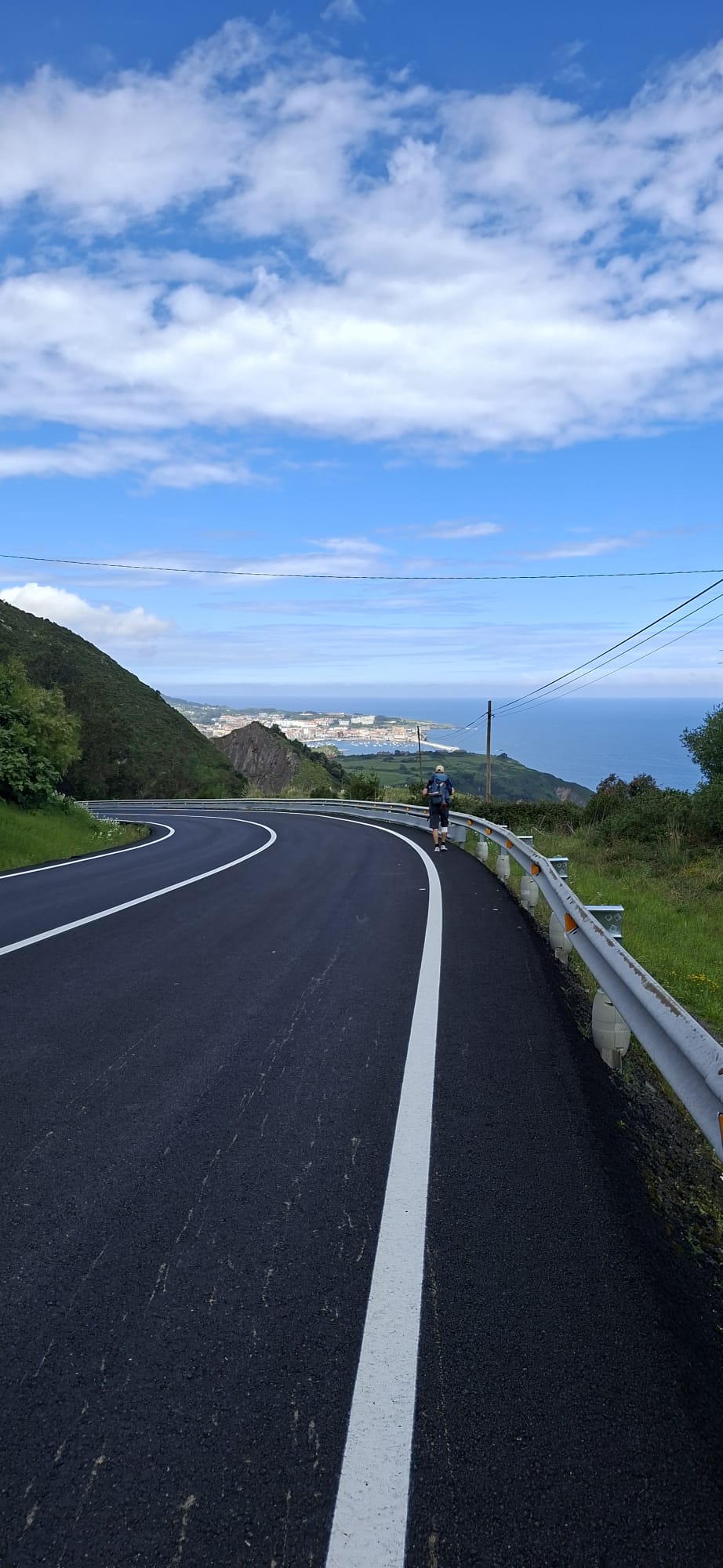
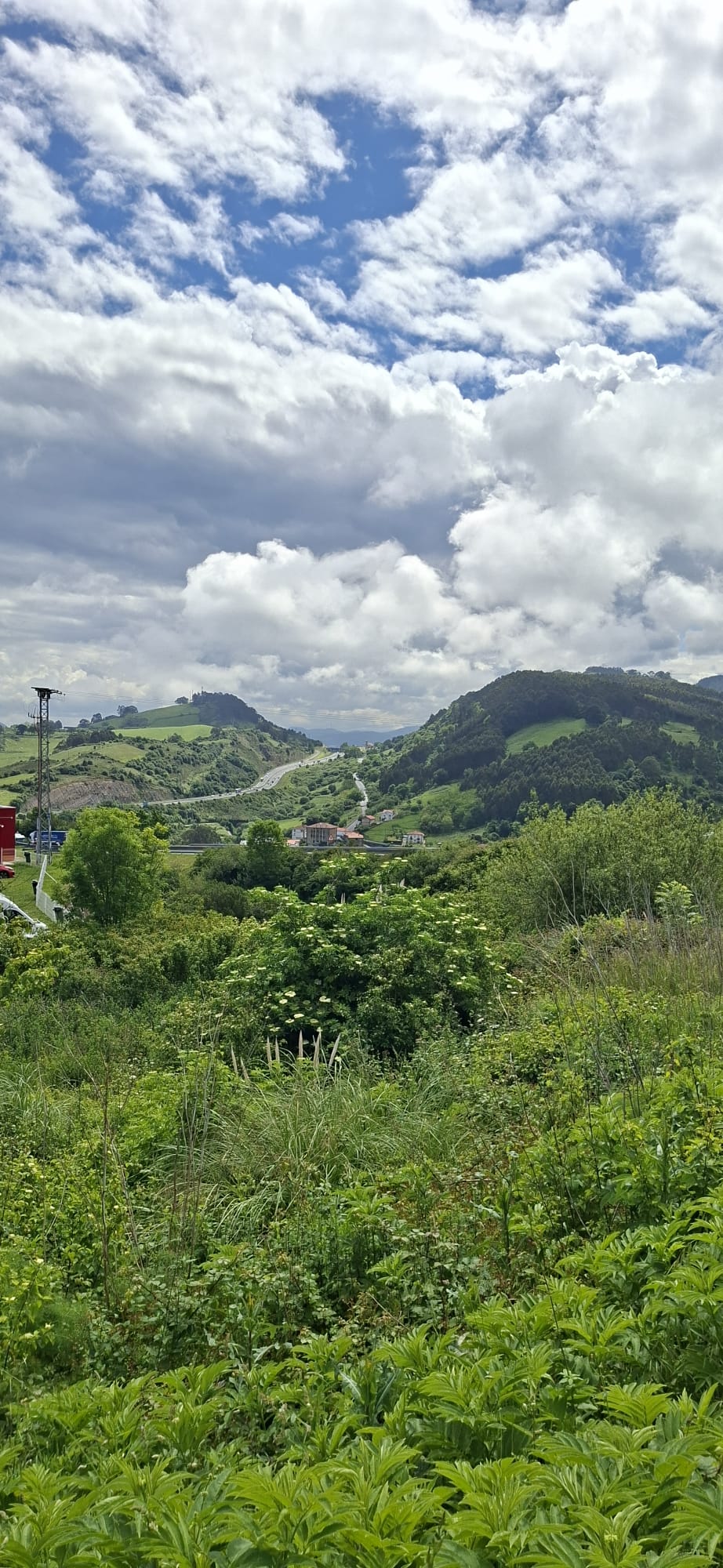
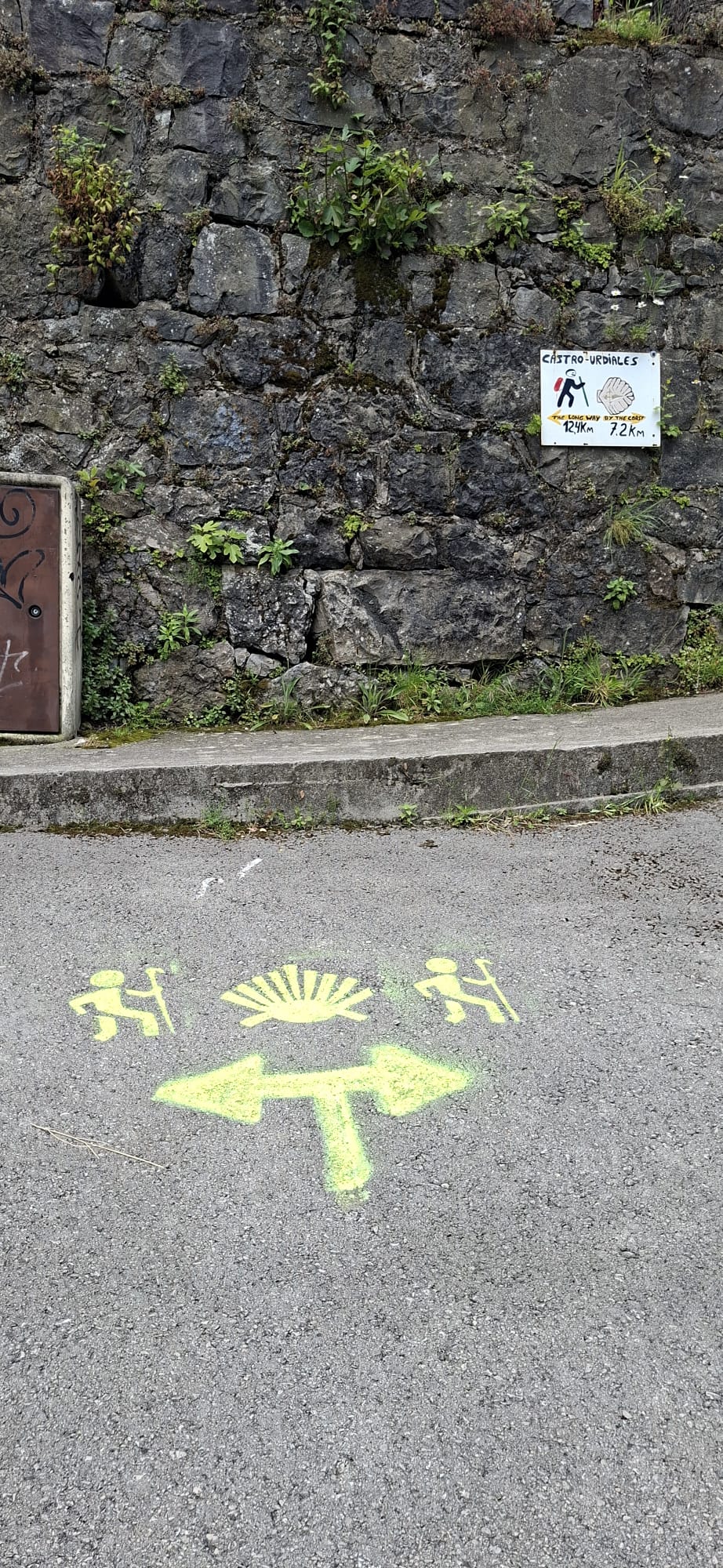
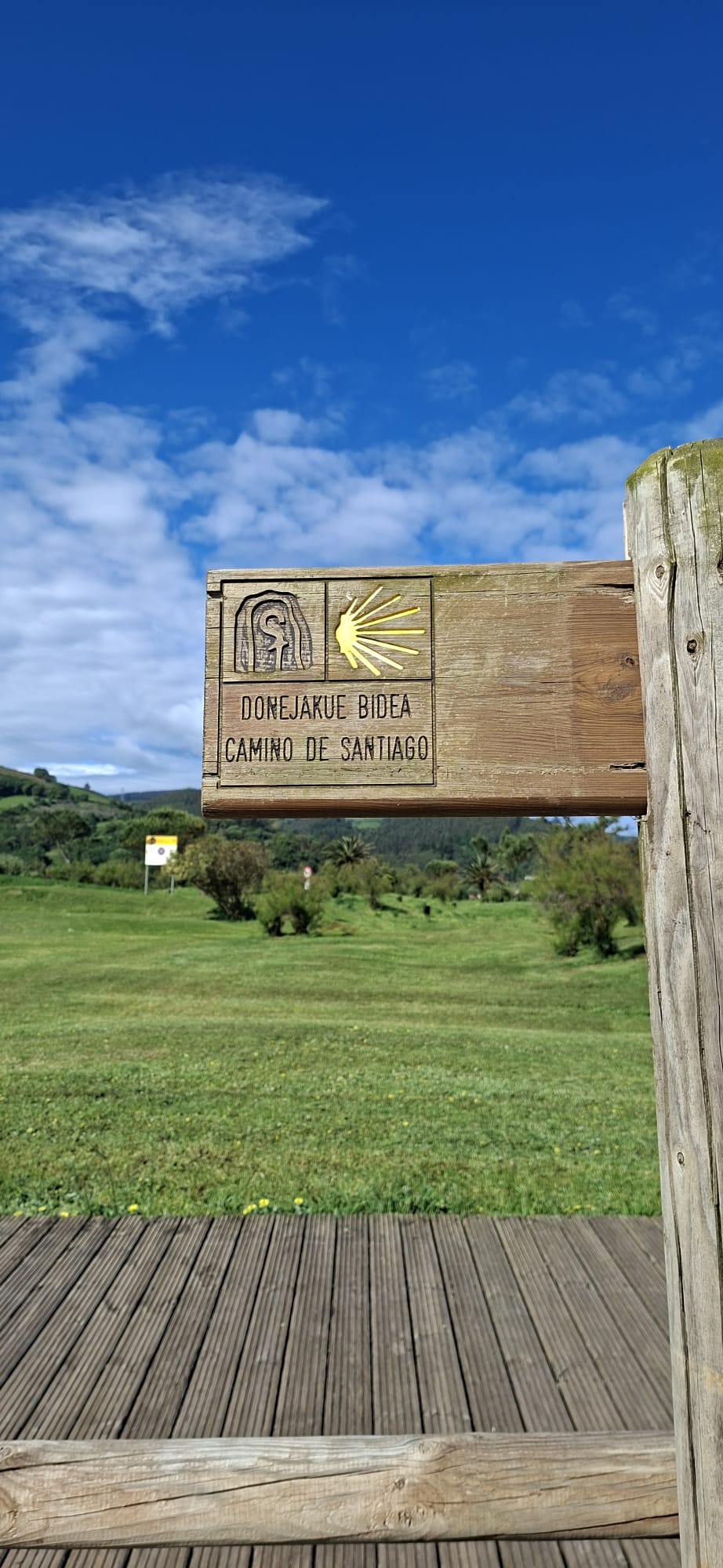
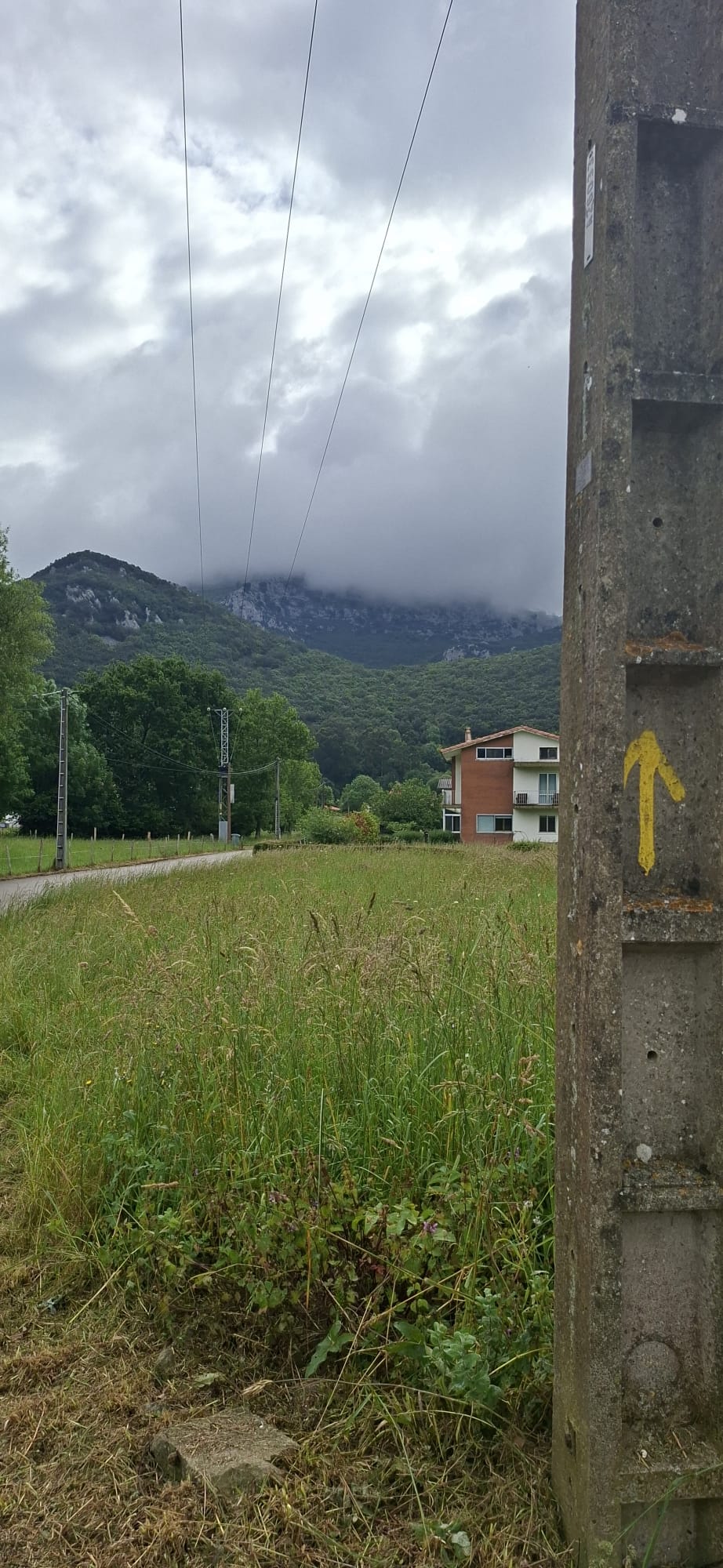
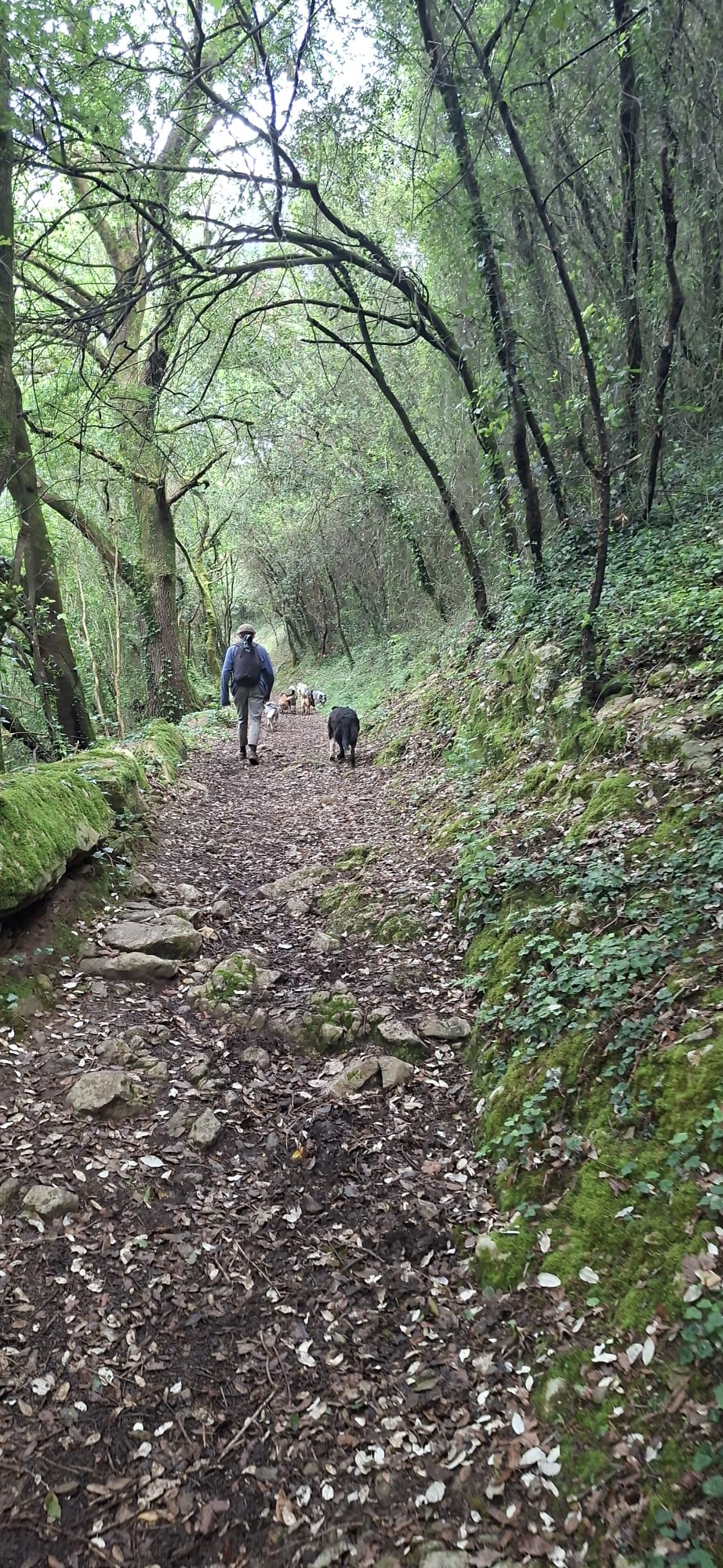
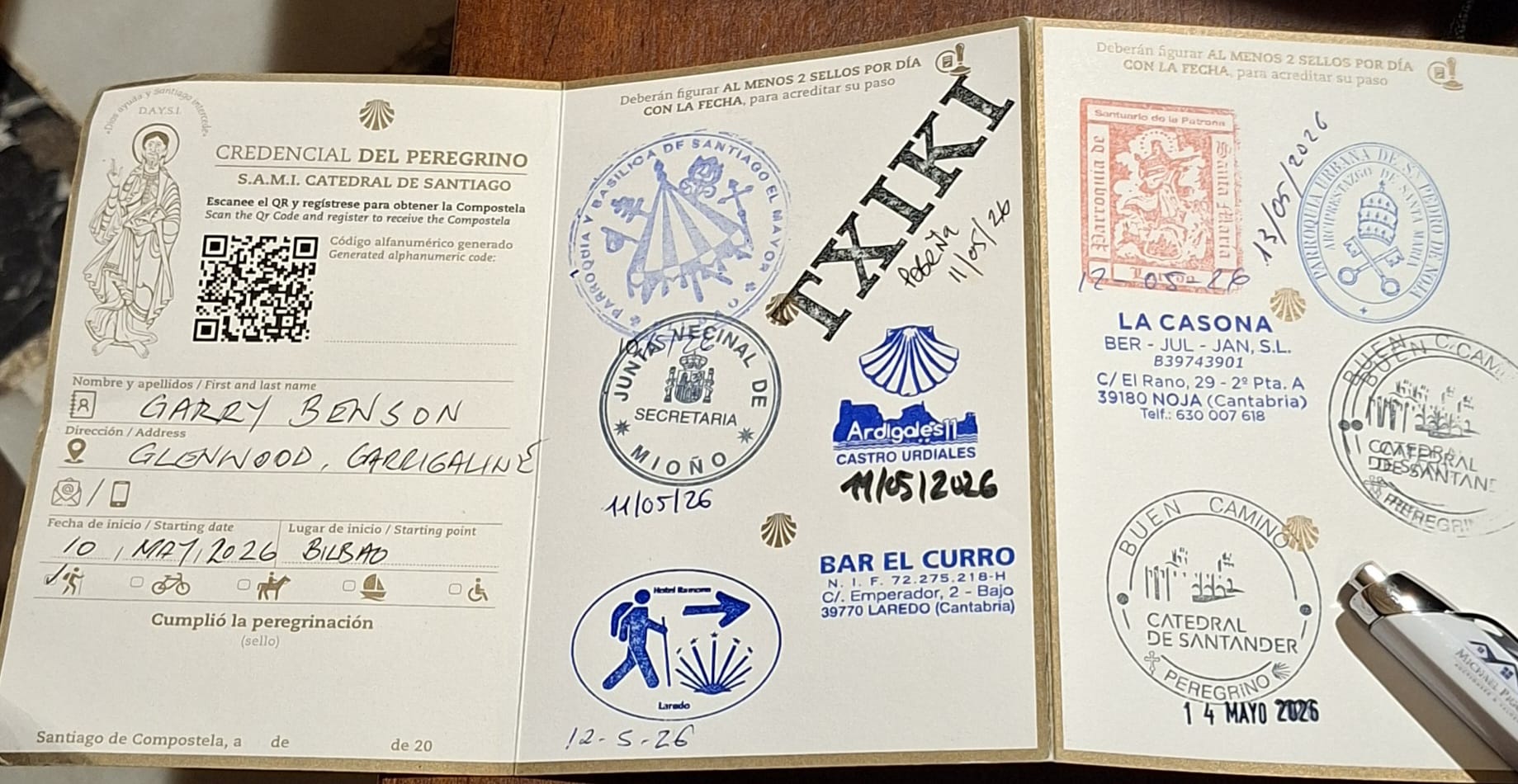
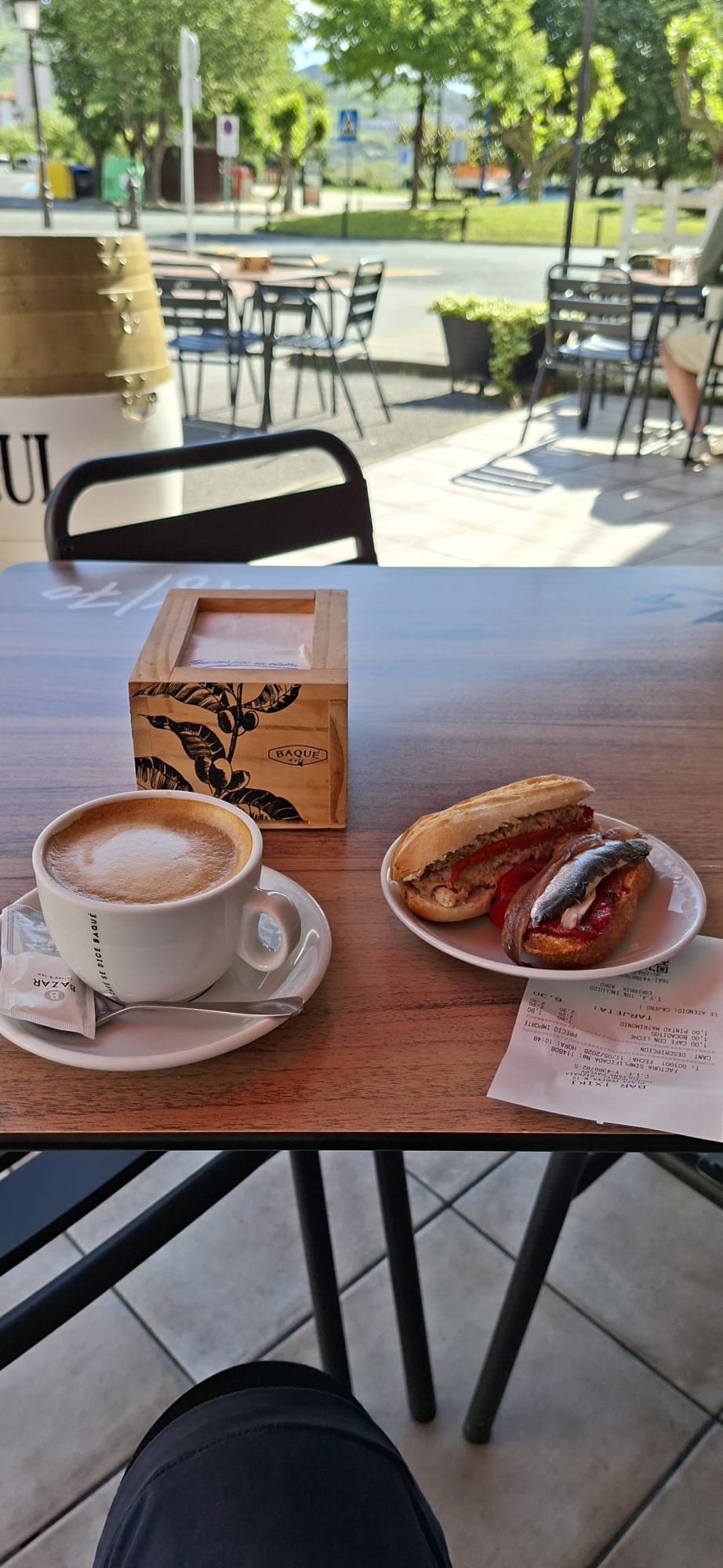
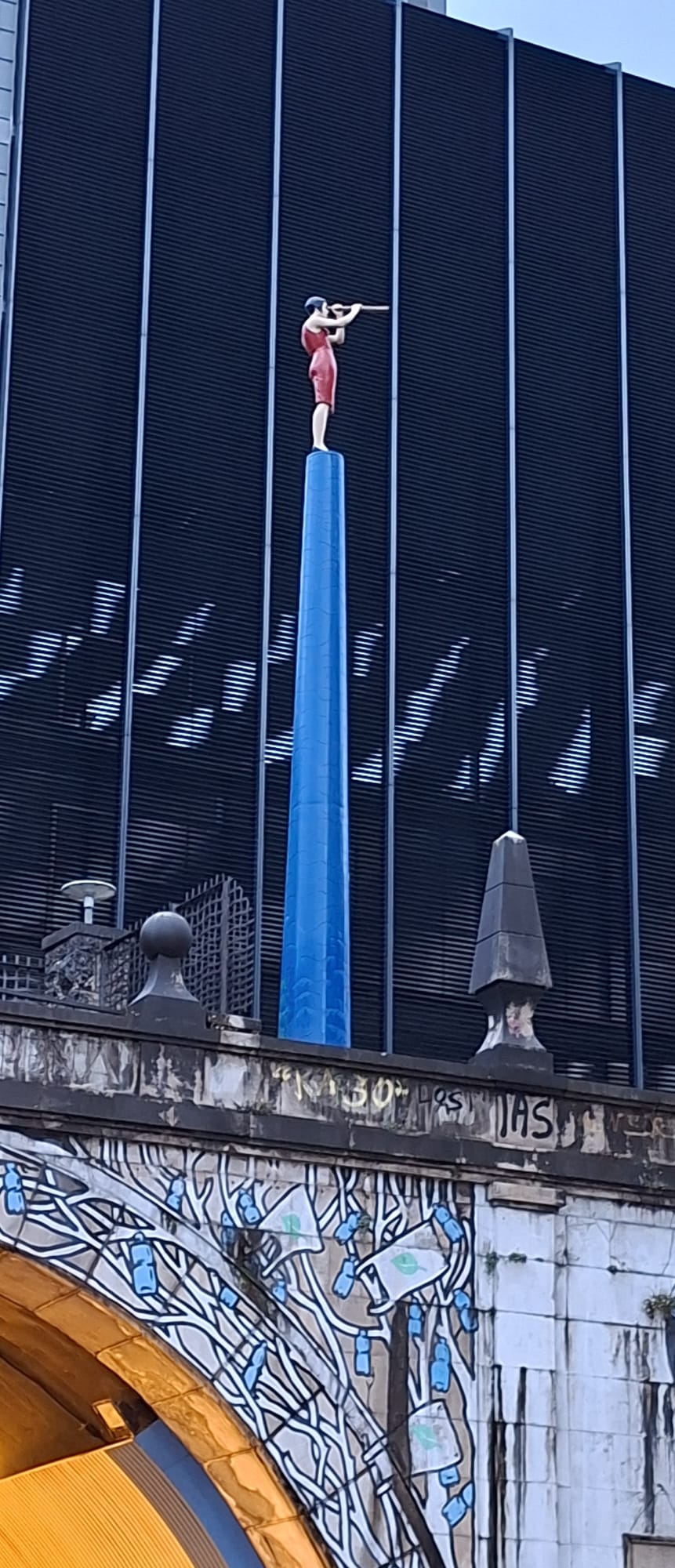
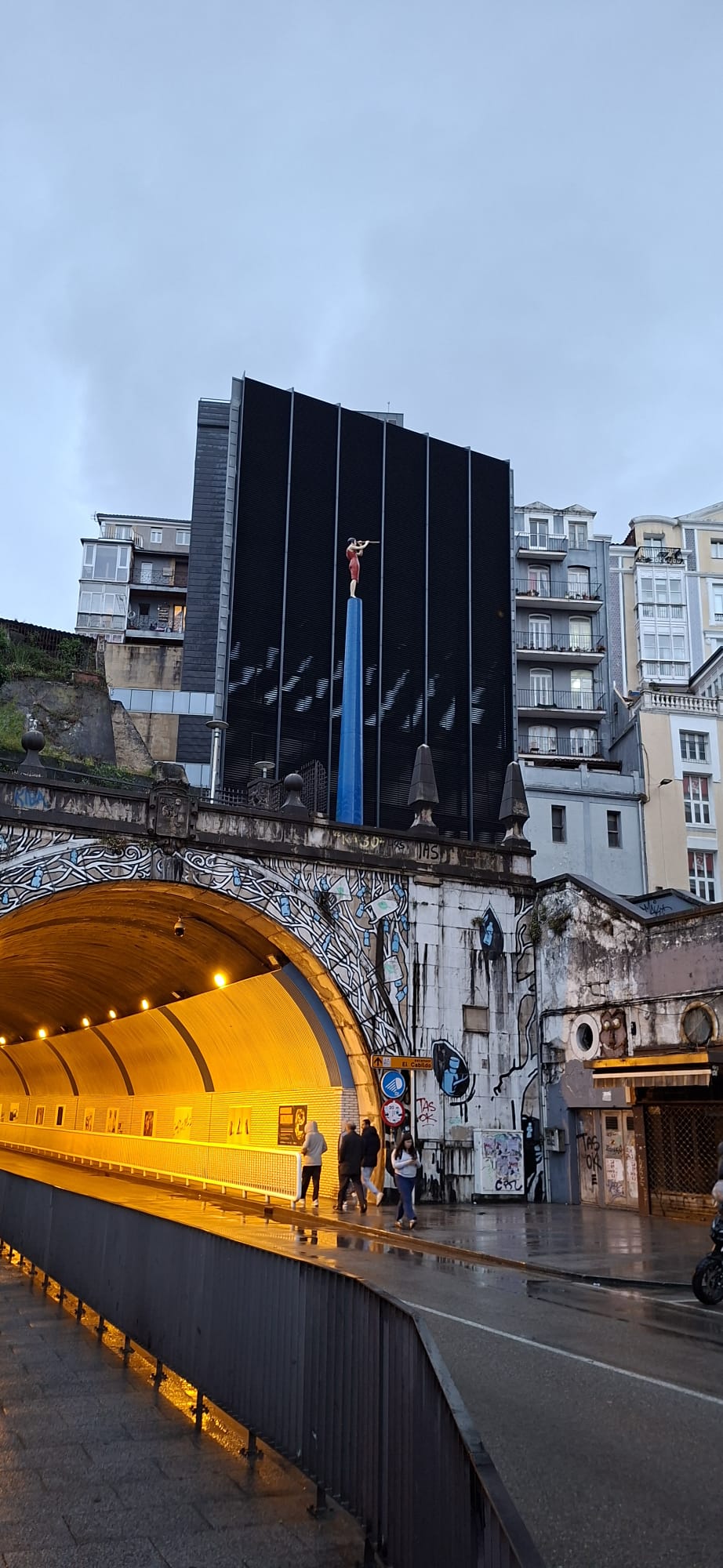
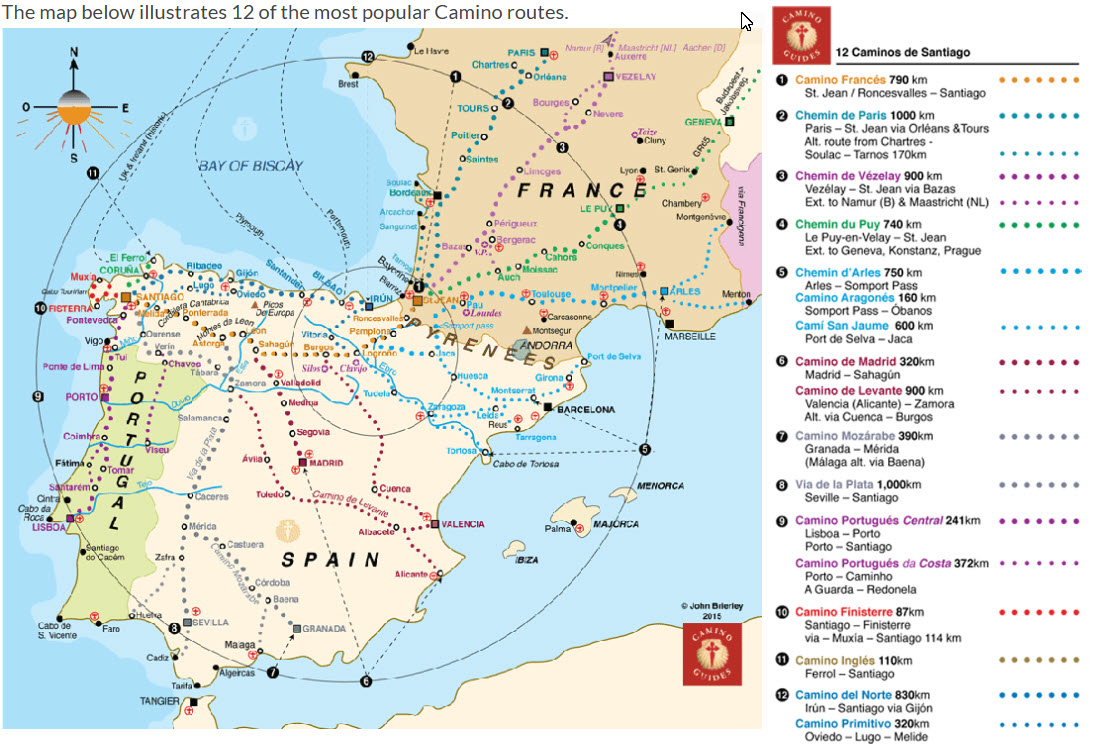
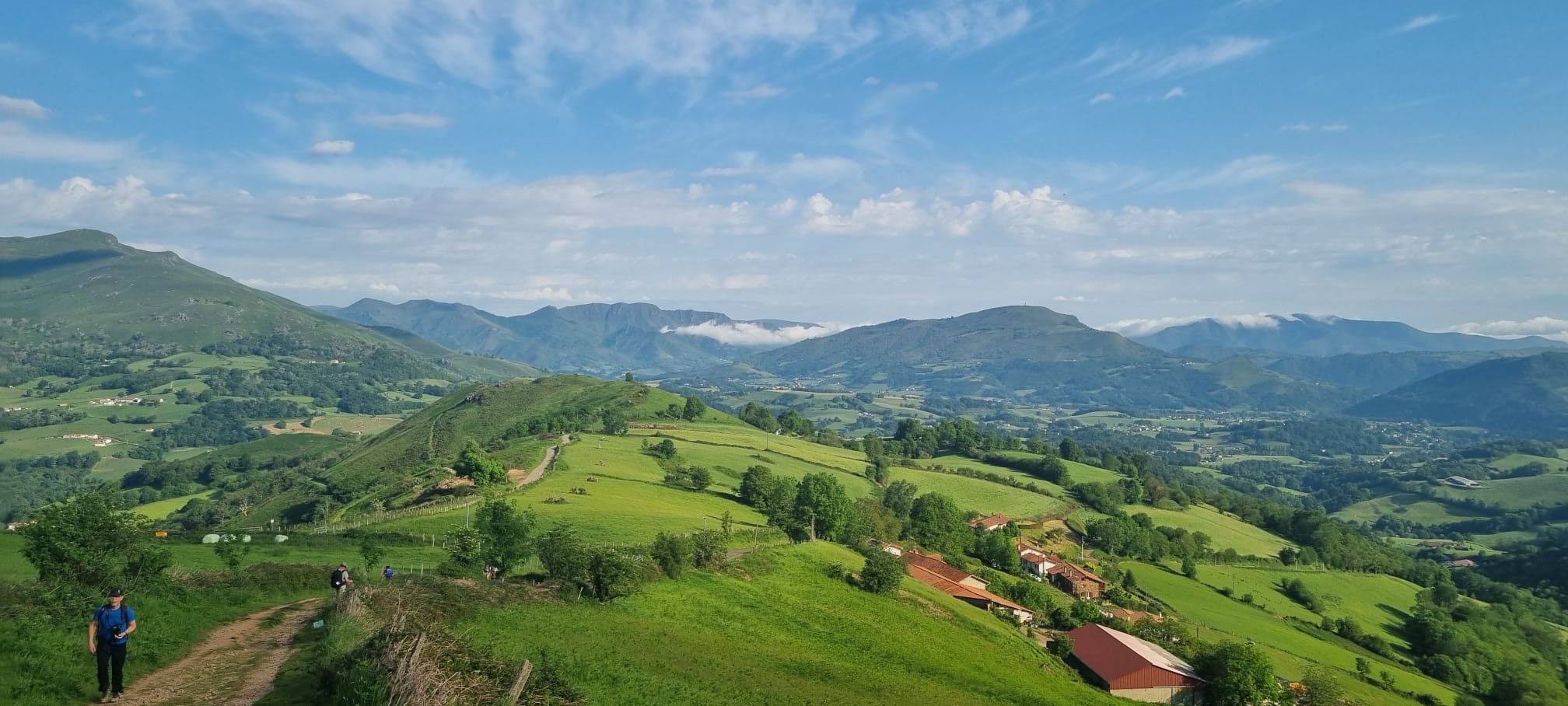
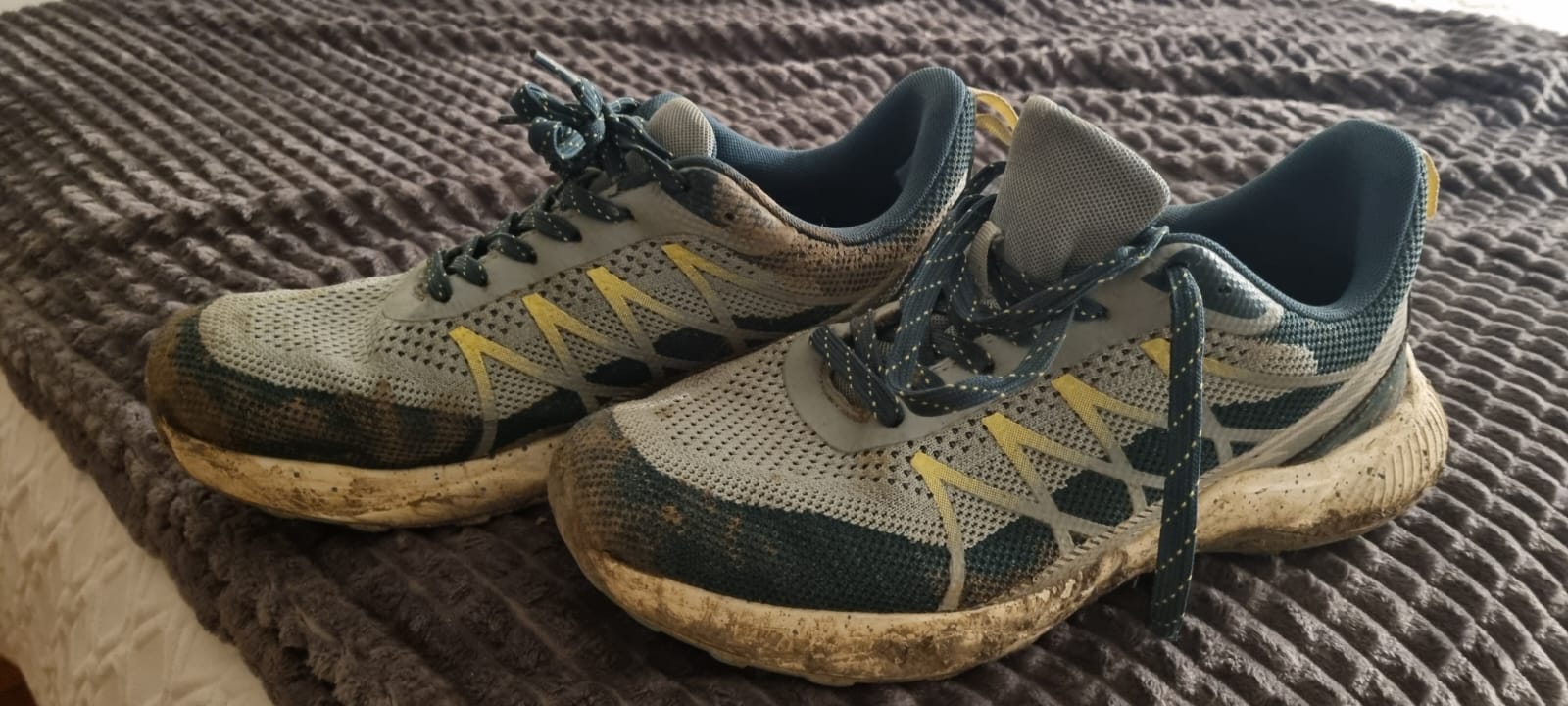
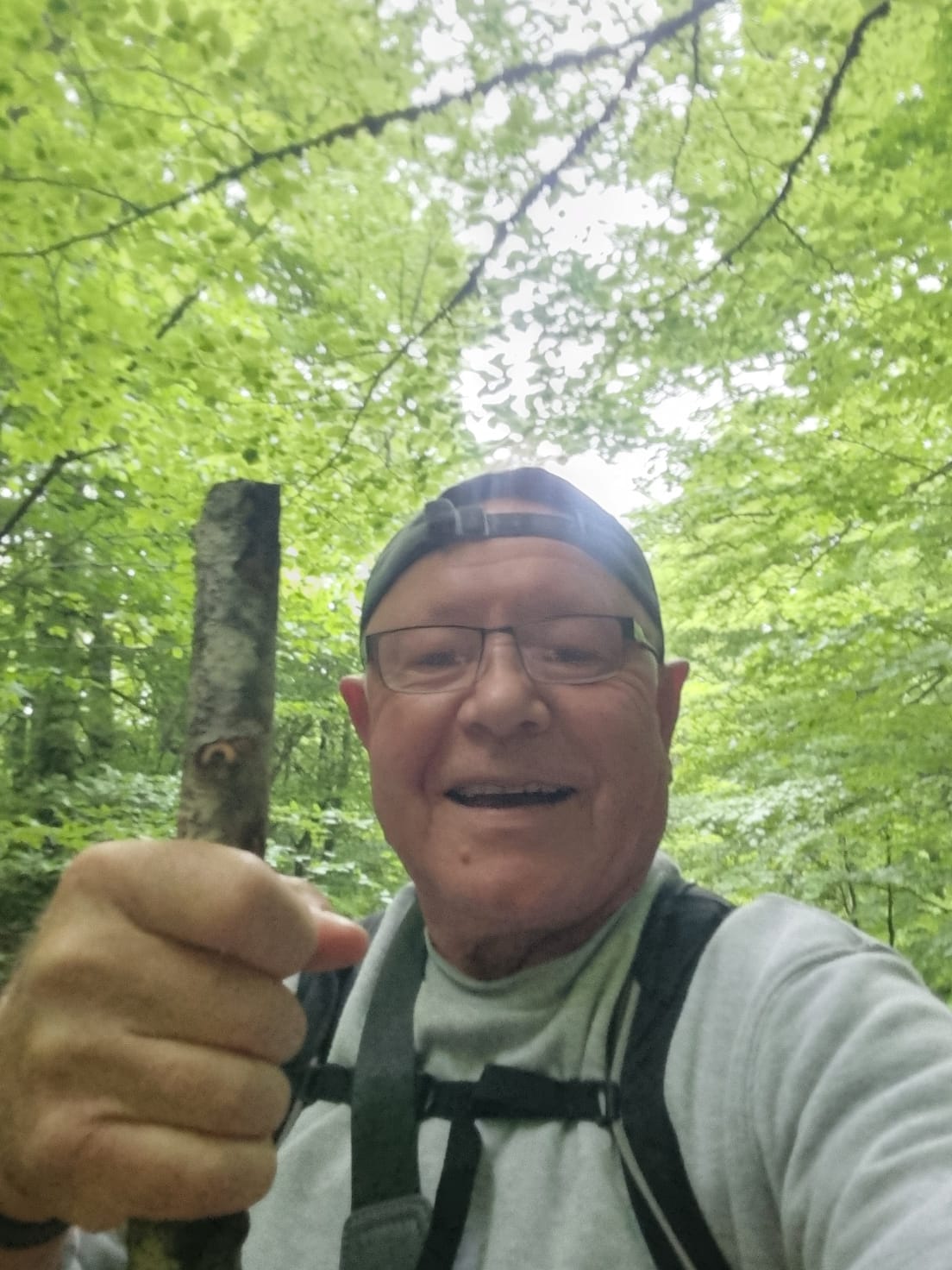
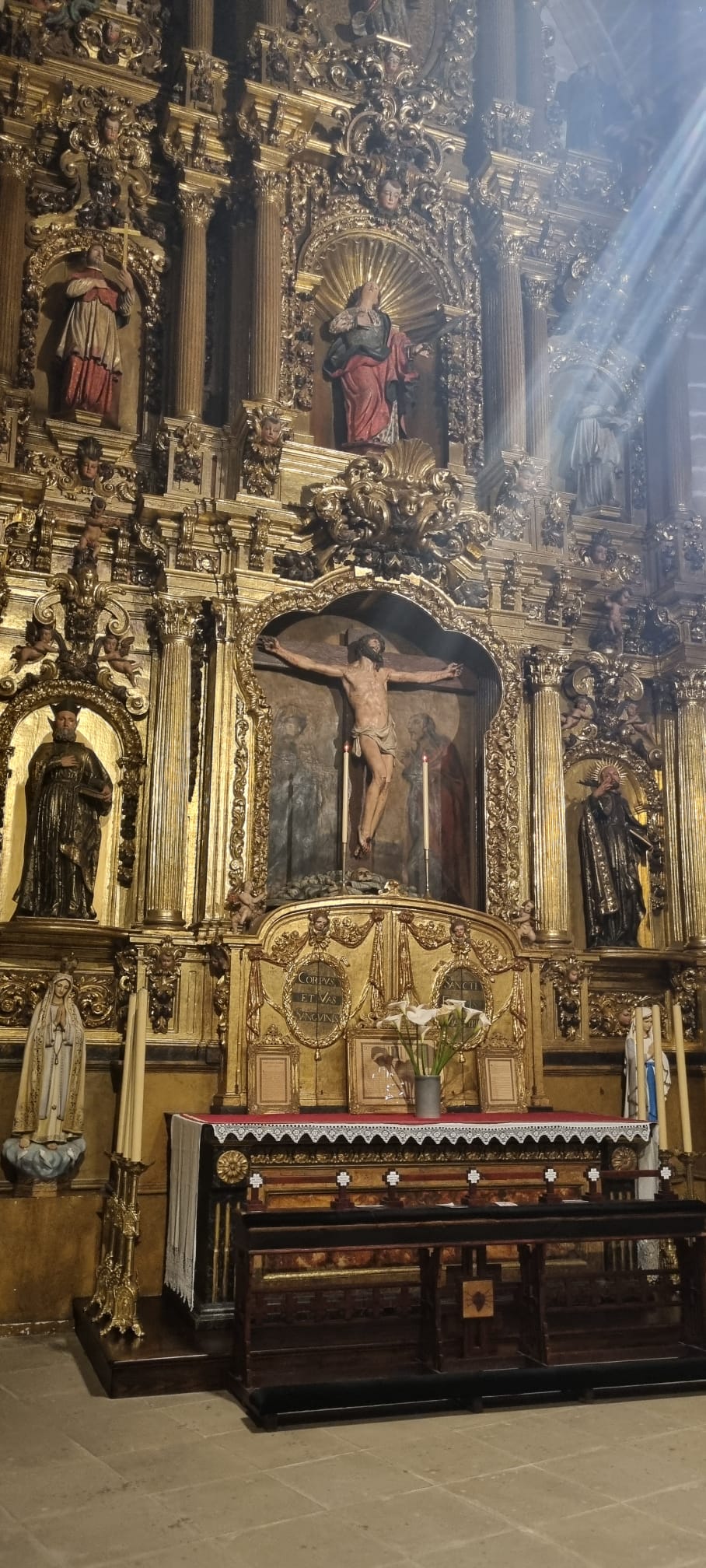
Camino Norte (Bilboa-Santander). The pilgrims you meet.
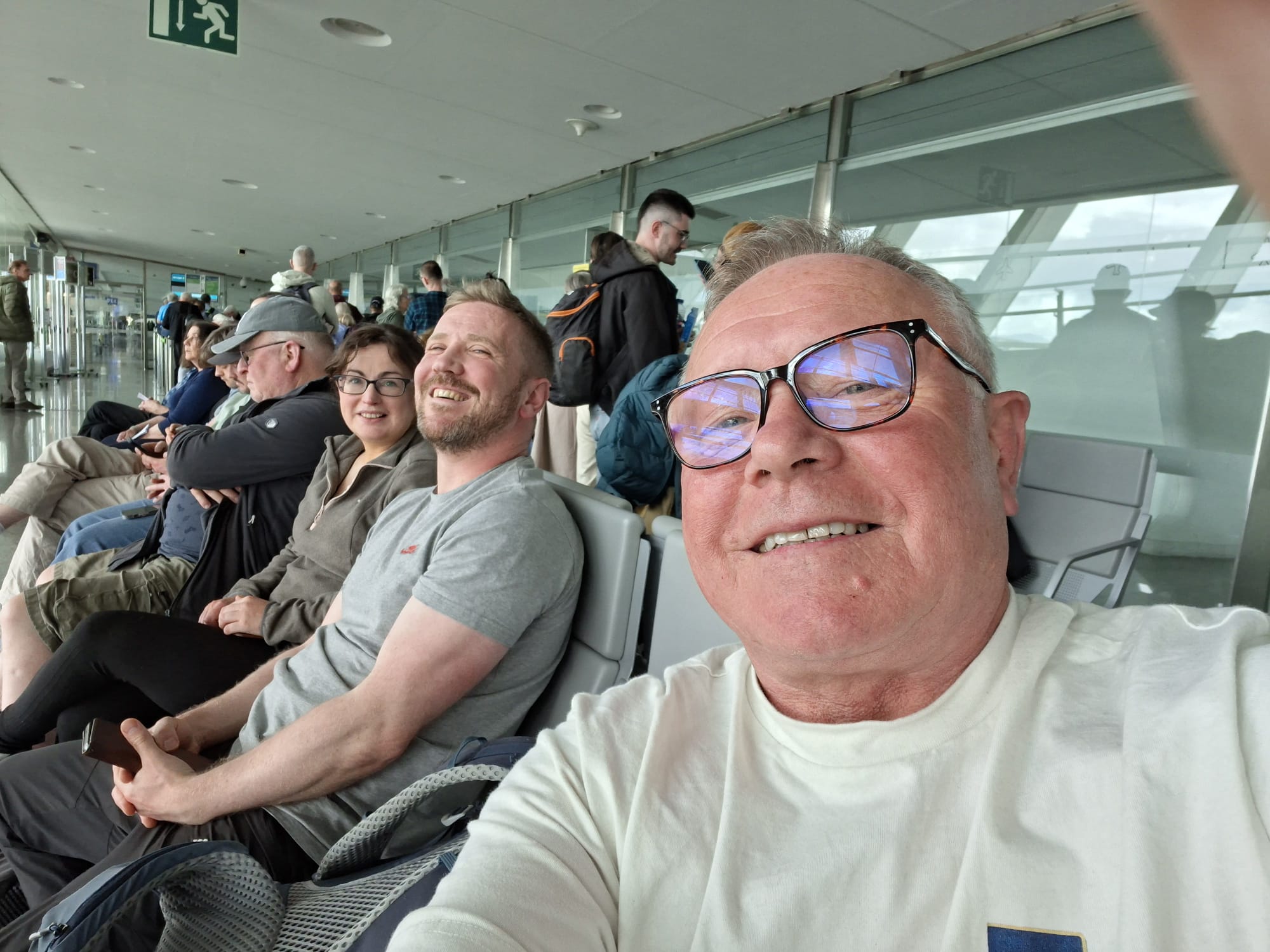
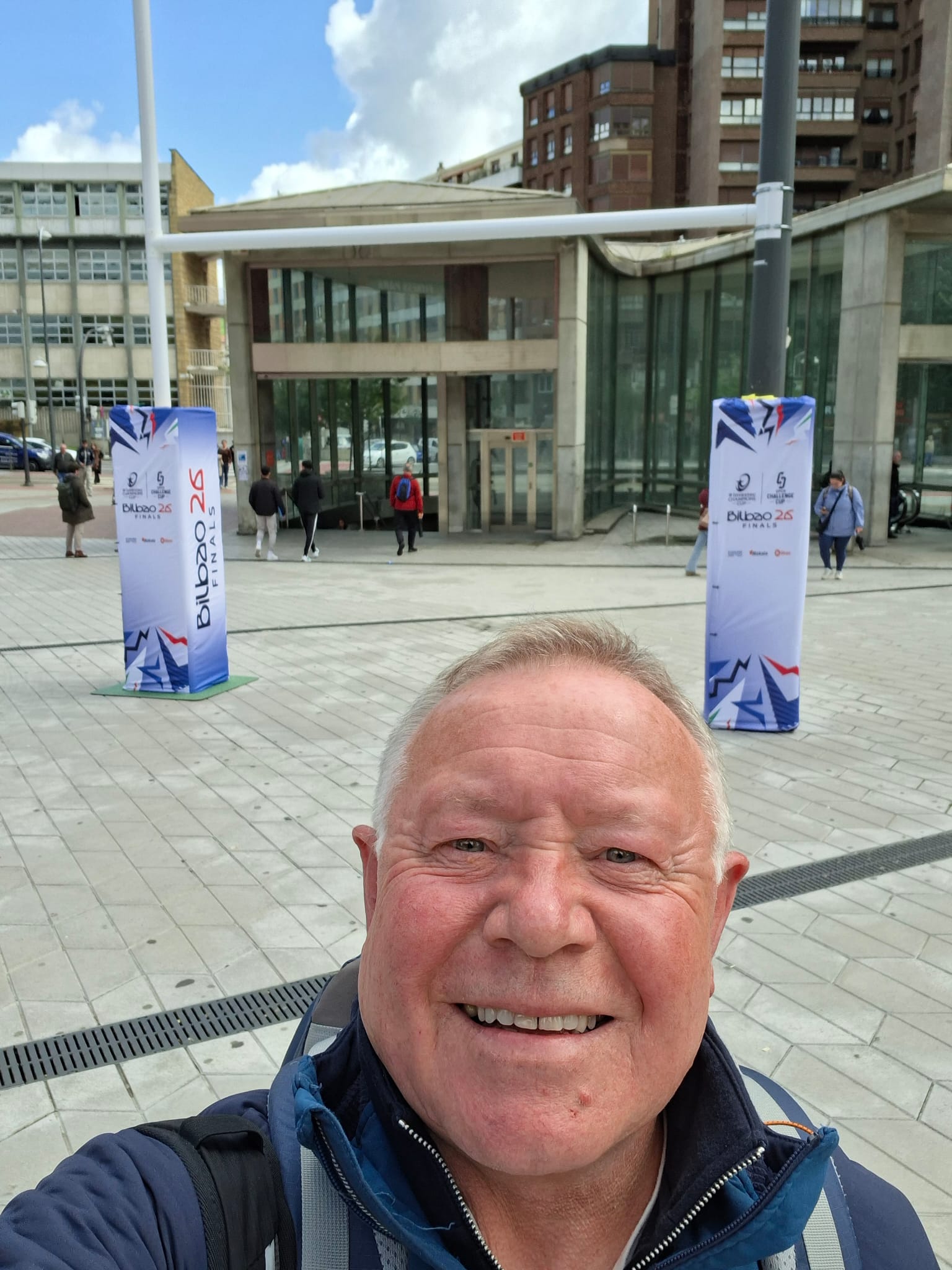
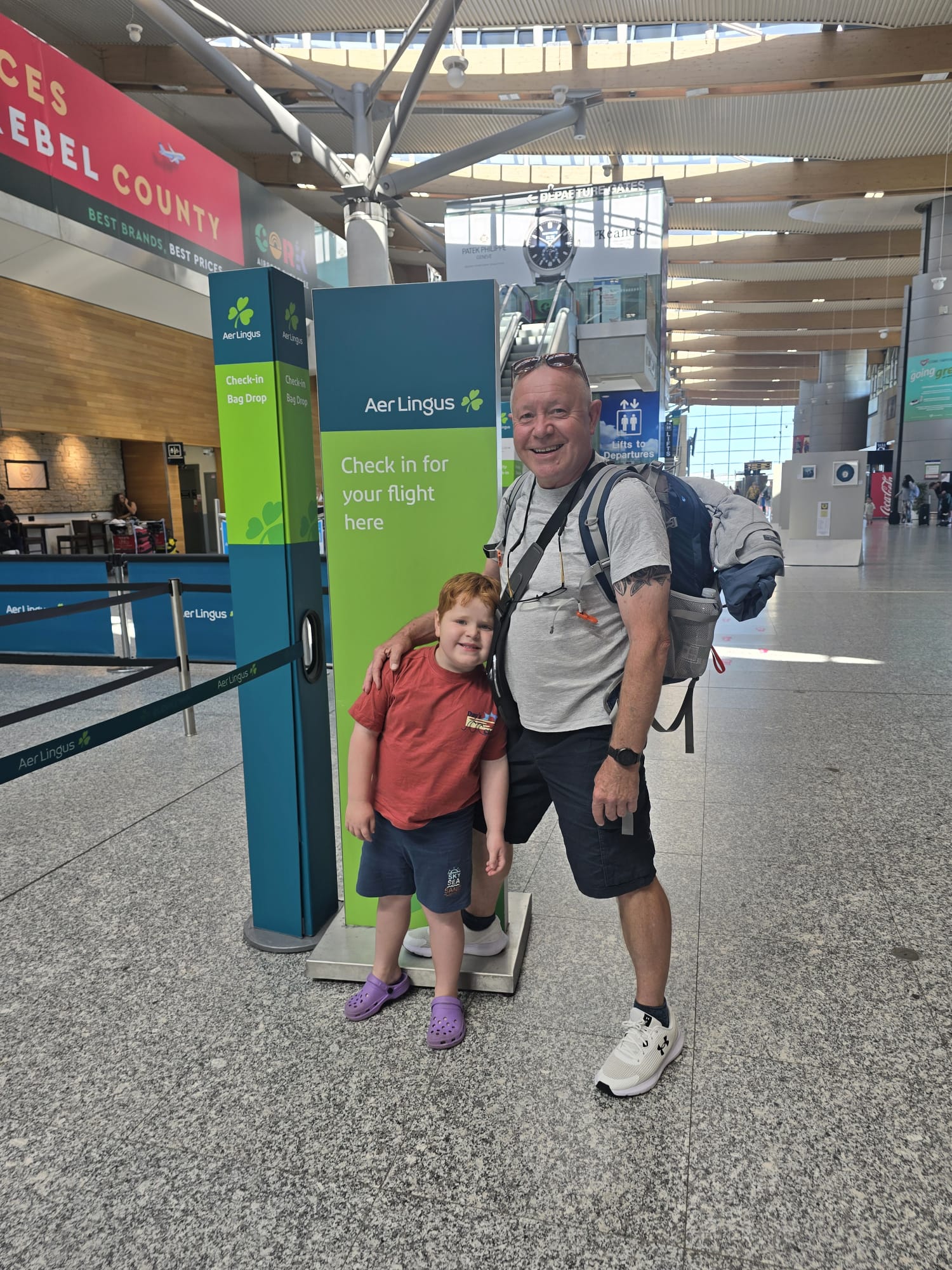
This adventure rolled around very fast and although I had done a good deal of conditioning throughout the winter in the form of walking and winter swimming, I was still fairly unsure of myself. I think ‘Jitters’ are part and parcel of any change, challenge or adventure. Notwithstanding, I set of on Saturday May 10th. Aer Lingus, Cork to Bilboa. Mind you, in years gone by, when Munster Rugby was a force to be reckoned with, I would have been expecting to be landing in Bilboa to shout on Munster in the Investec Champions Cup Final set for Saturday 23 May 2026, in the vibrant Spanish city of Bilbao, located in Bizkaia (province of Biscay) in the Basque Country. But alas Munster are nowhere near their past glories and it is Leinster facing Bordeaux one week after I arrived in Bilboa for my short walk. Ah, well, maybe sometime into the, not-so-distant-future, we will be heading off to a final instead of a Camino stage.
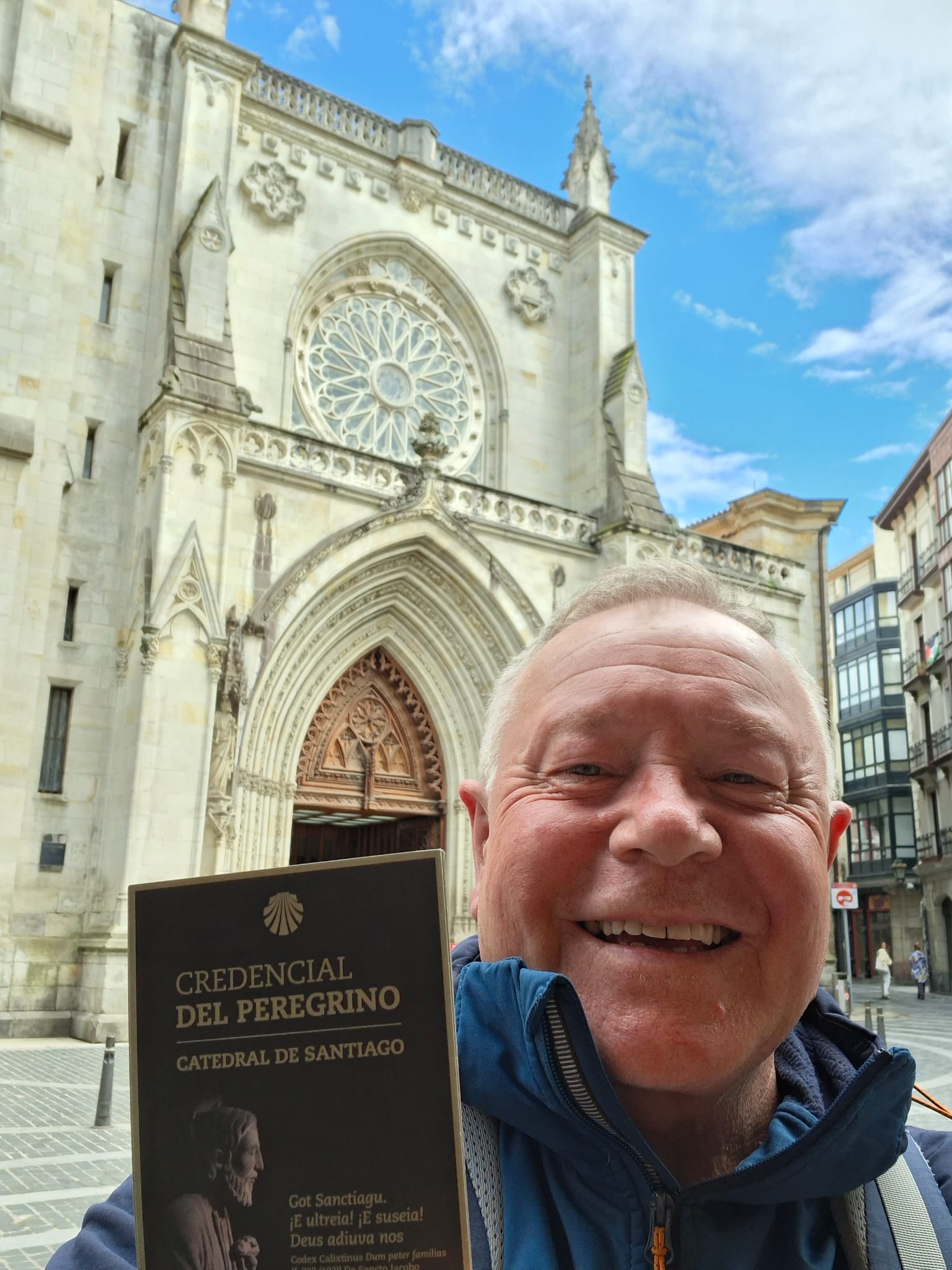
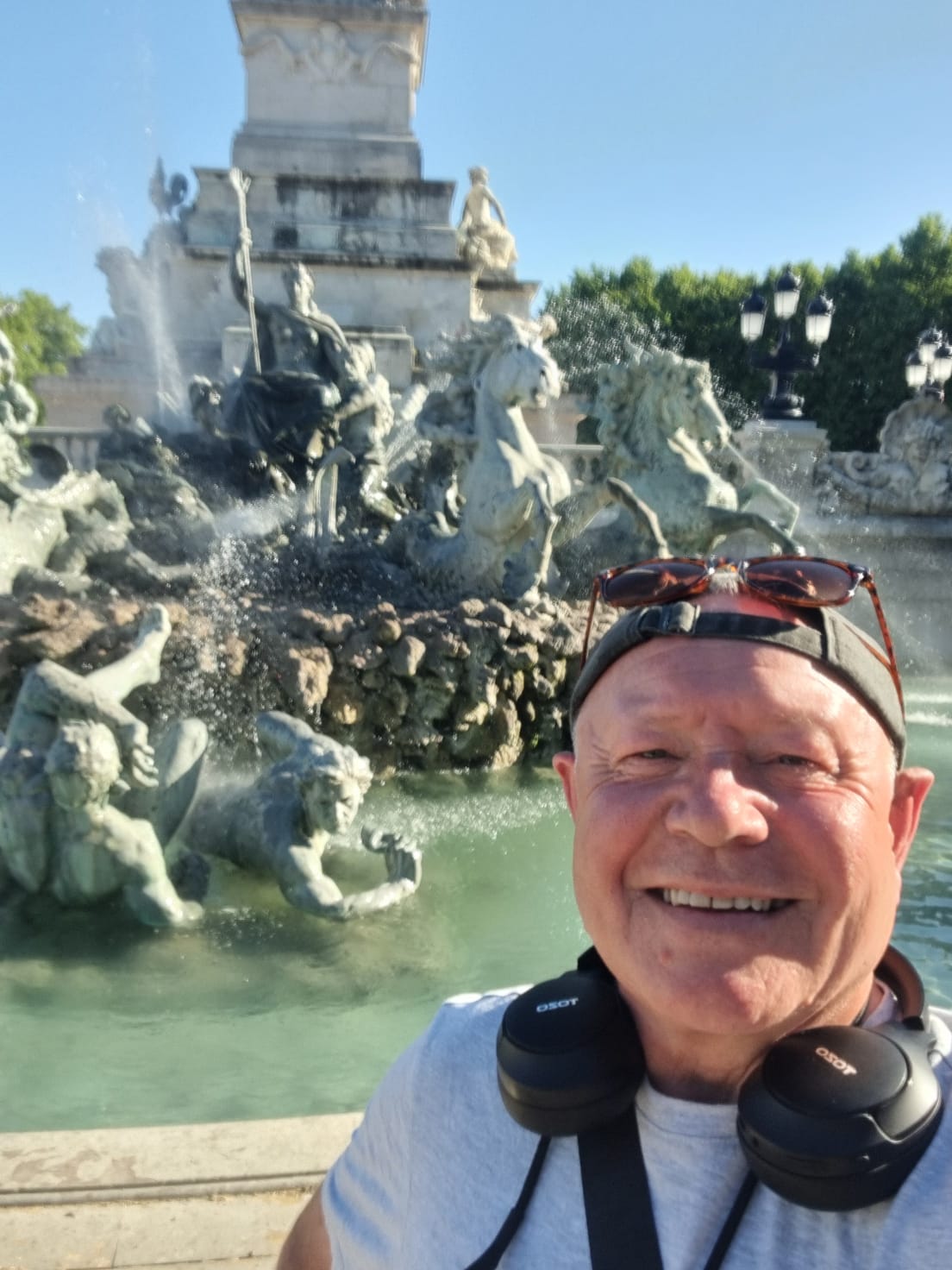
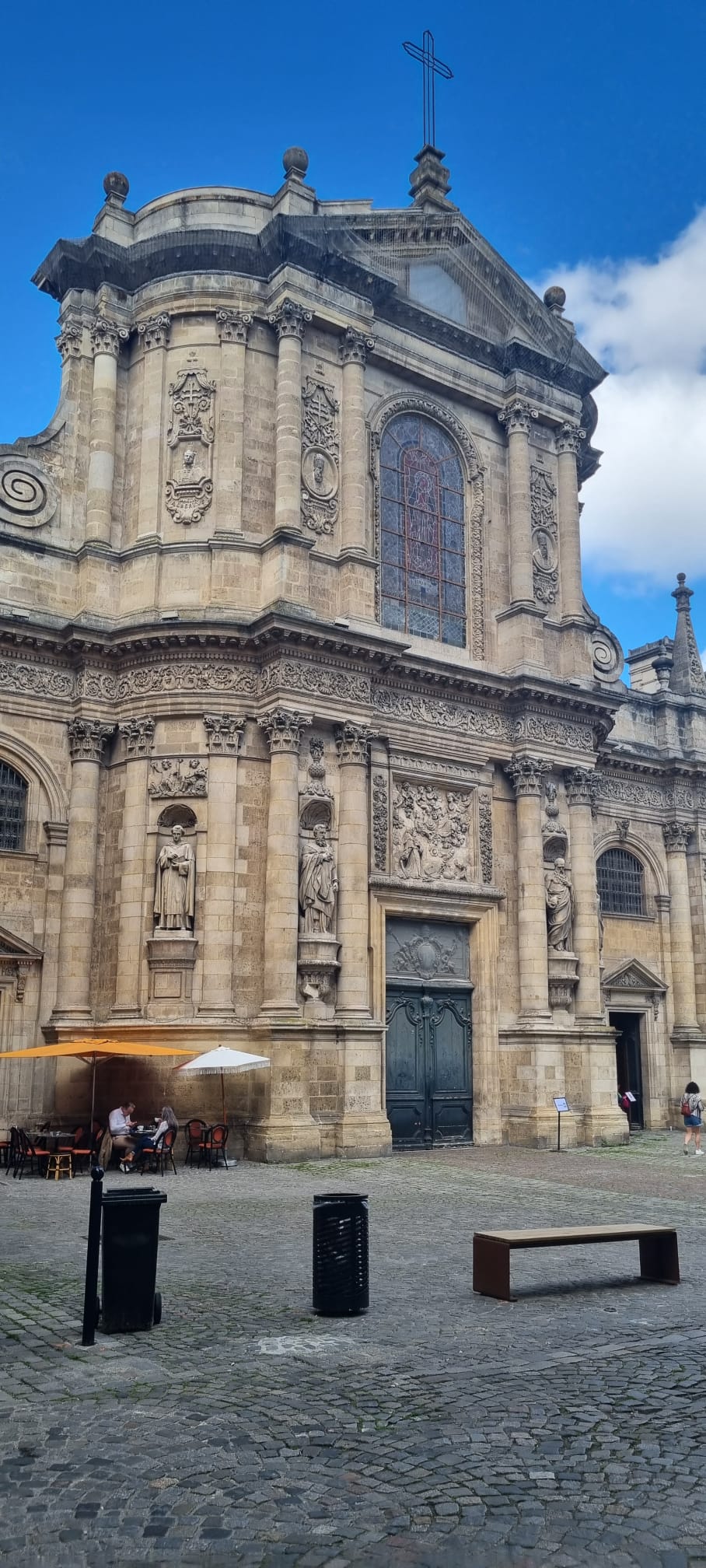
Instead, it was off to Bilboa Cathedral to start my short first day’s walk. Bilboa to Portugalete / Santurtzi, Day 2: Santurtzi to Castro Urdiales, Day3. Castro Urdiales to Laredo, Day 4. Laredo to Noja, Day 5. Onto Santander and Day 6. Travel back to Bilboa and Cork.
Highlights:
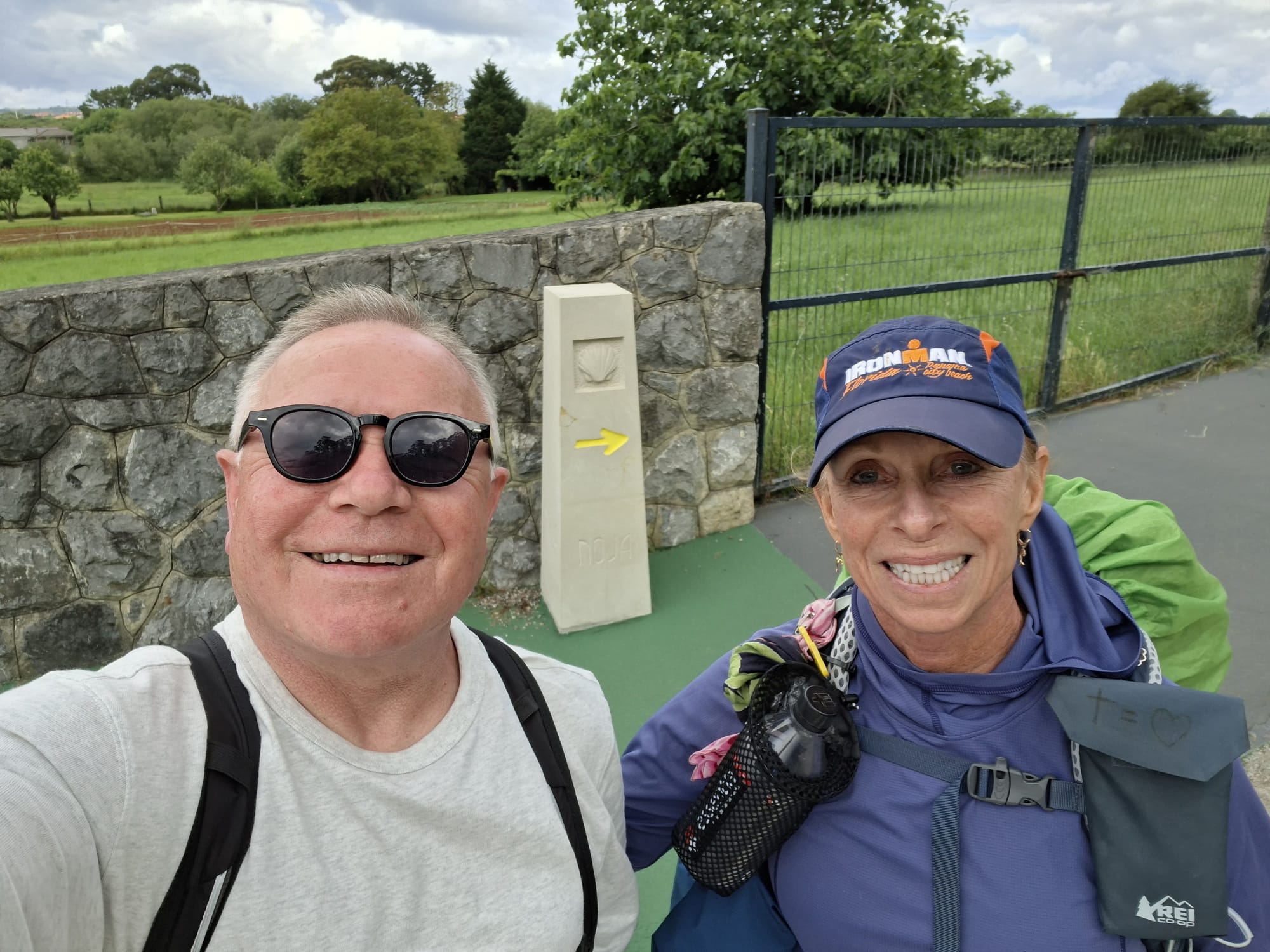
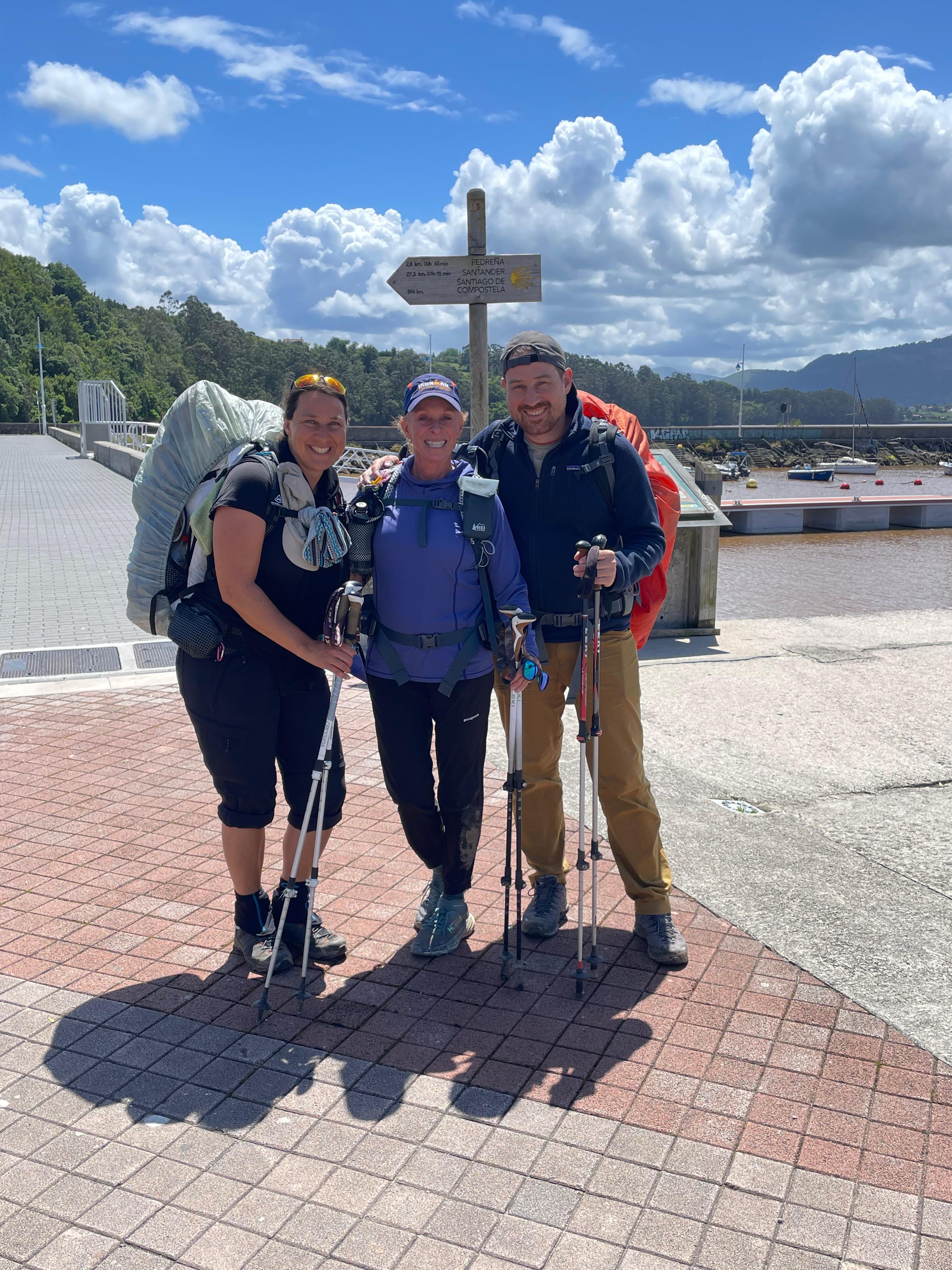
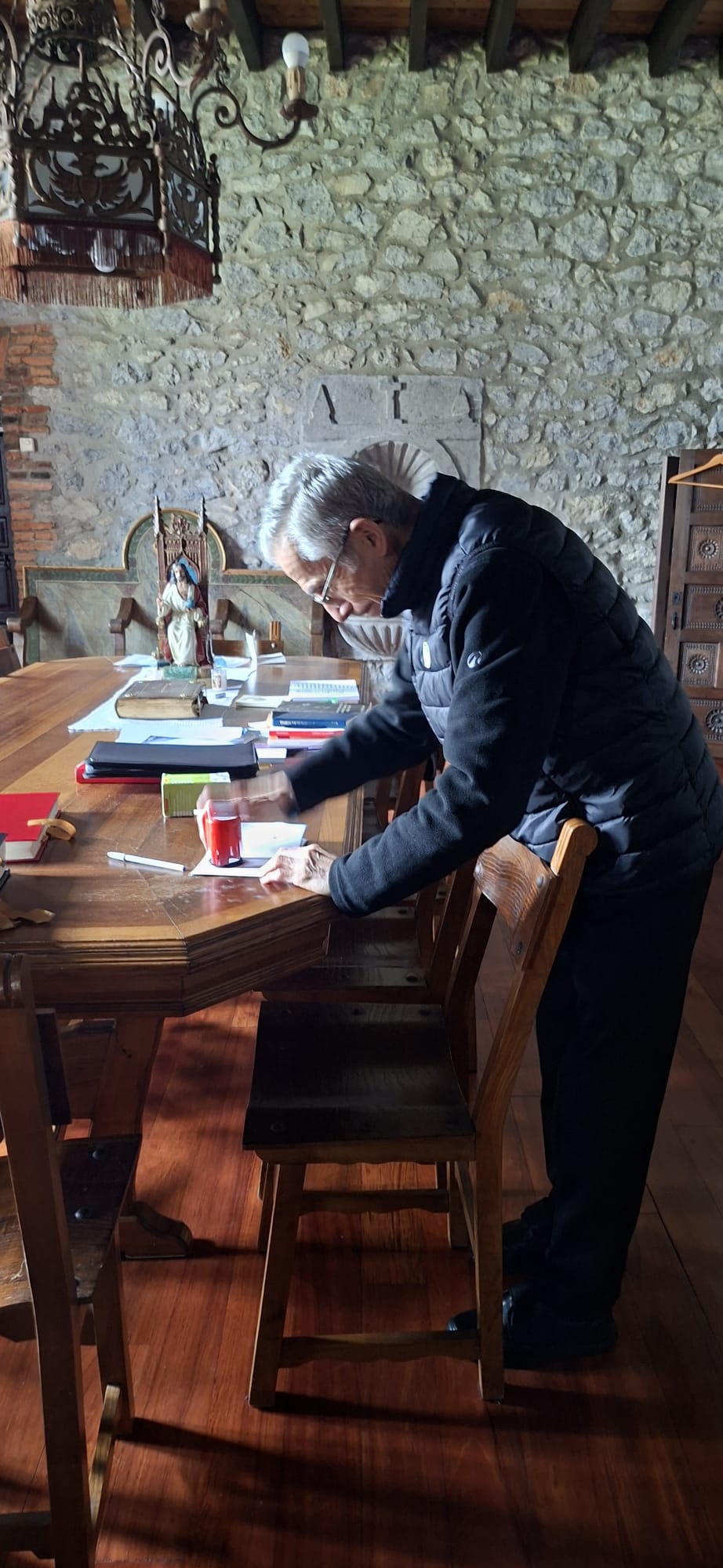
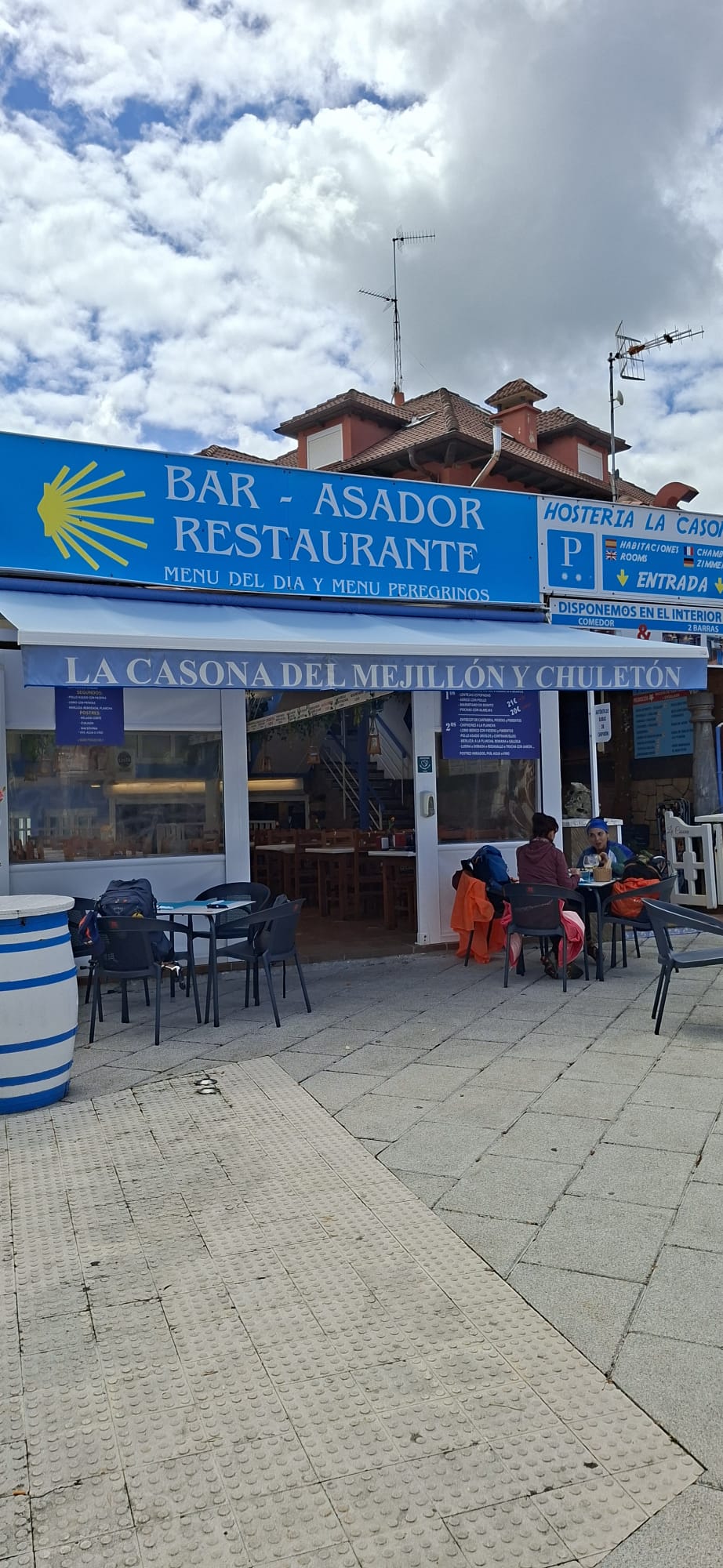
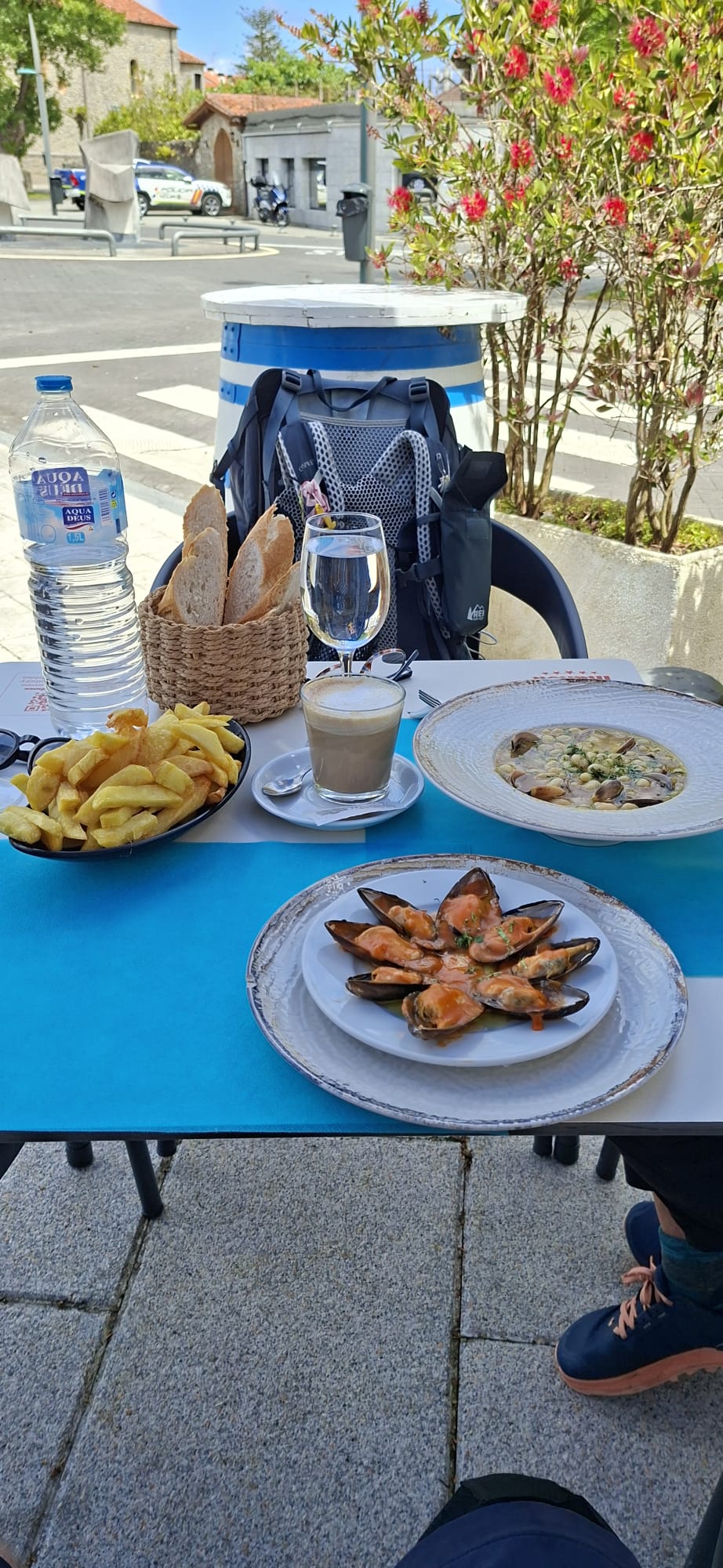
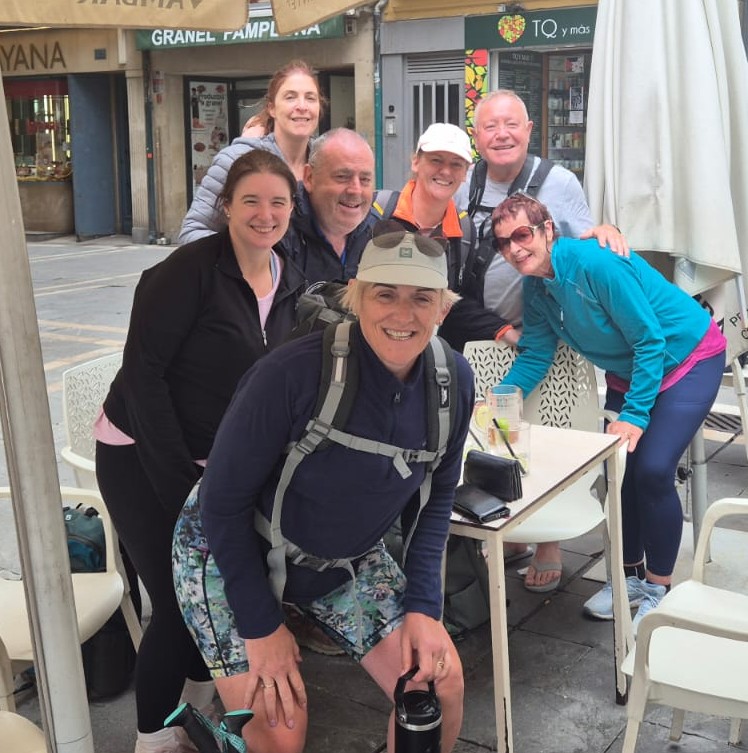
As with all Camino’s, it is the people that you meet that will always stay with you. The Camino Norte is much quieter than the Camino Frances and seeing that I started very early in May I was not surprised. I’m not an Albergue person but my ‘single room’ accommodation was in Pensione’s and relatively inexpensive. I encountered very few Irish folks along my walk, but those I met were absolutely fantastic human beings and from many nations including Polish (Karl), Dutch (Father and daughter), Spanish (Pablo from Barcelona and Peter from Noja), United States of America, (Julie O’Connell Bishop, Florida), and of course Irish (Susan and Matt, from Dromahane)
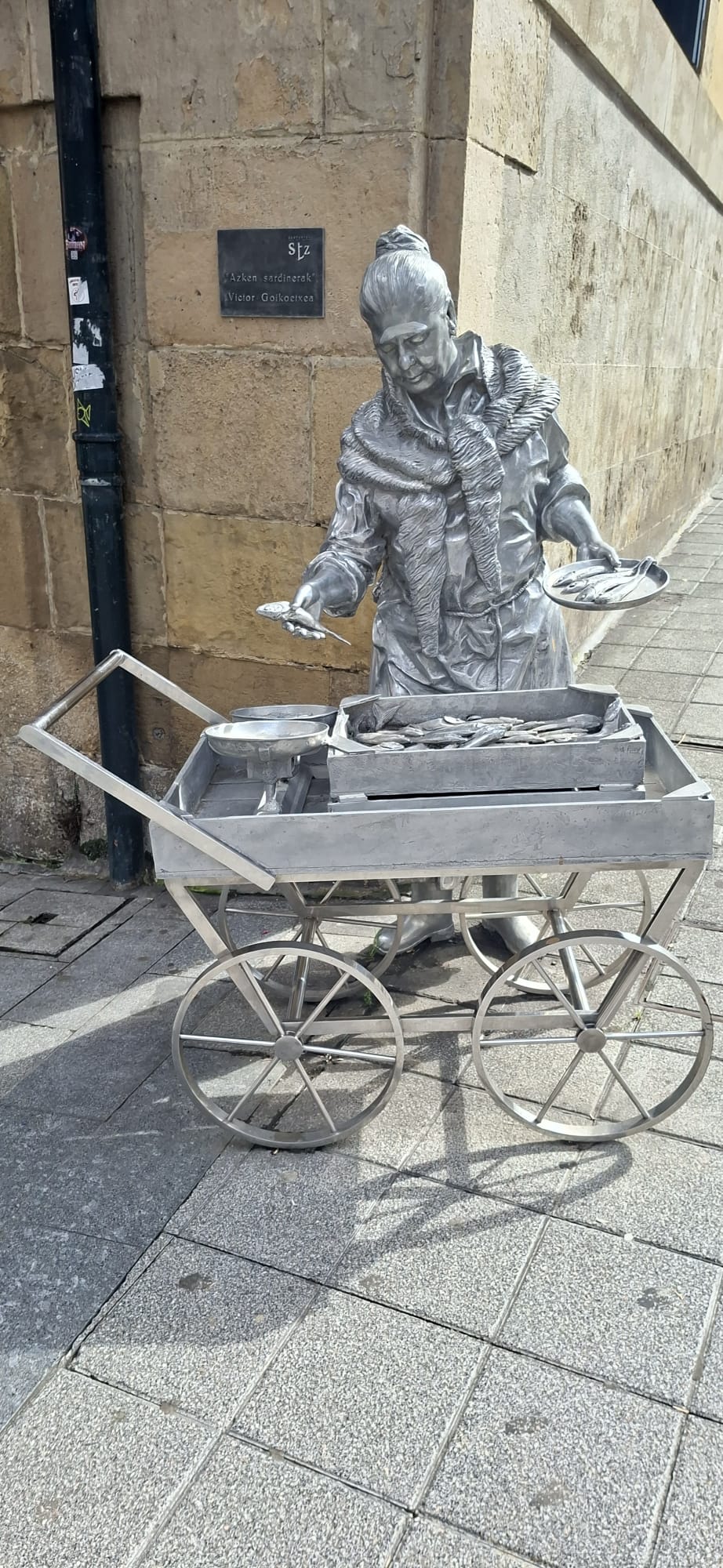
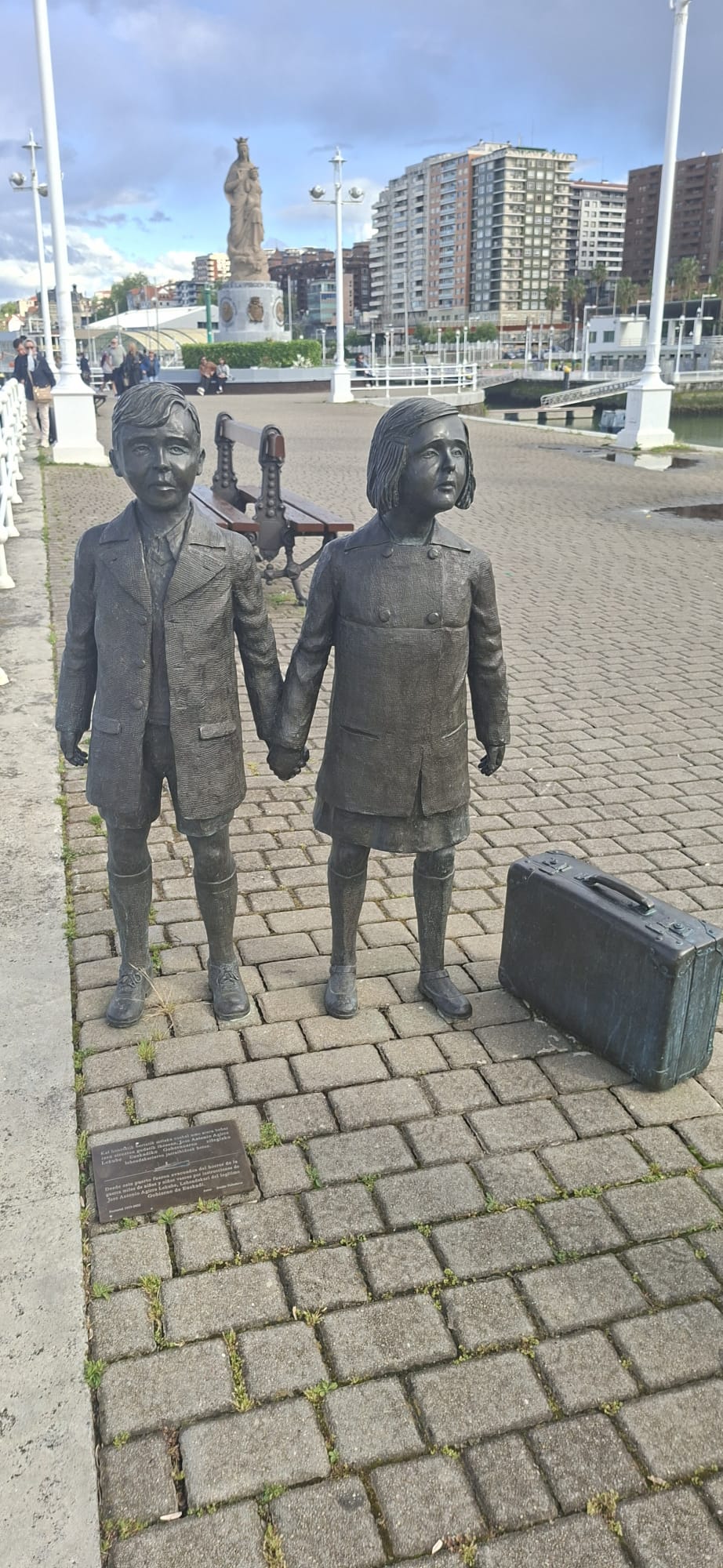
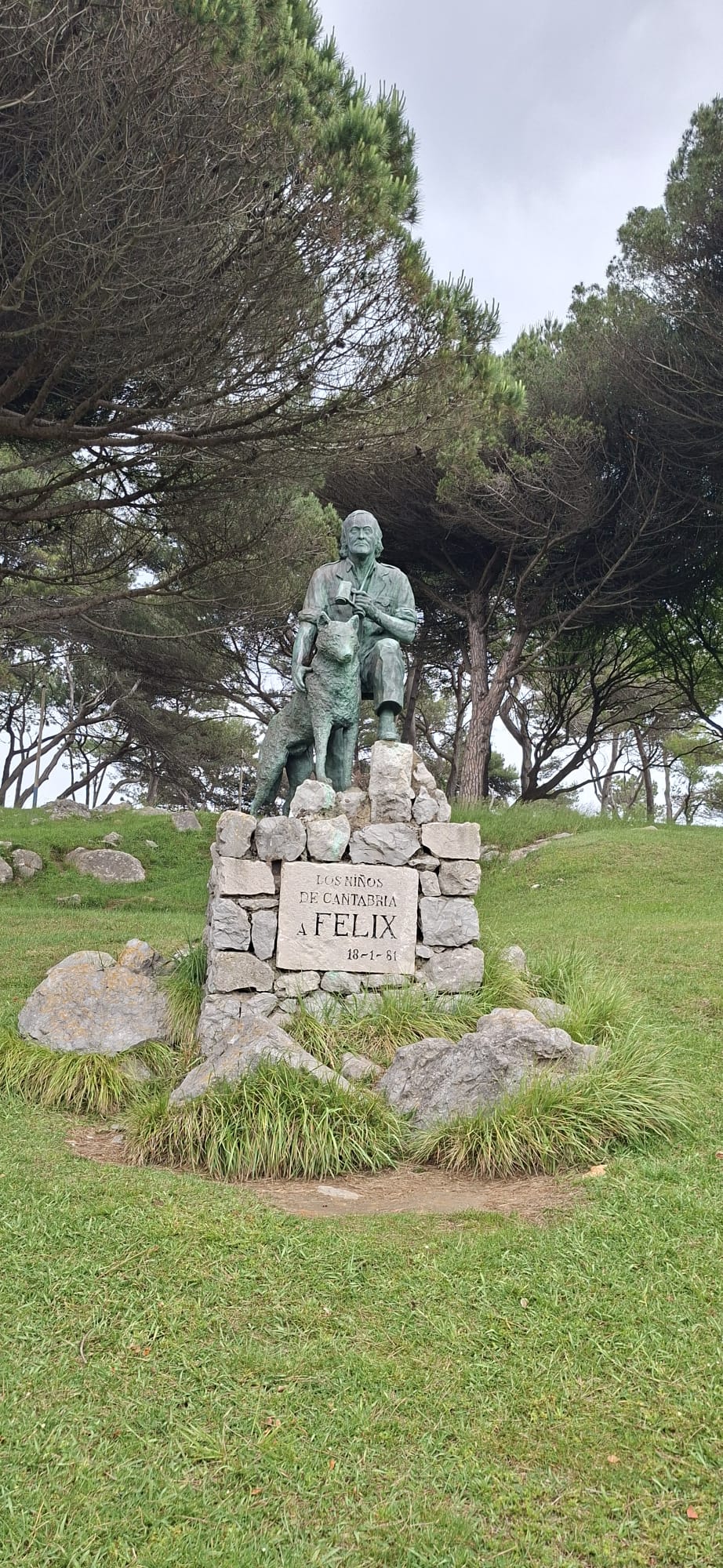
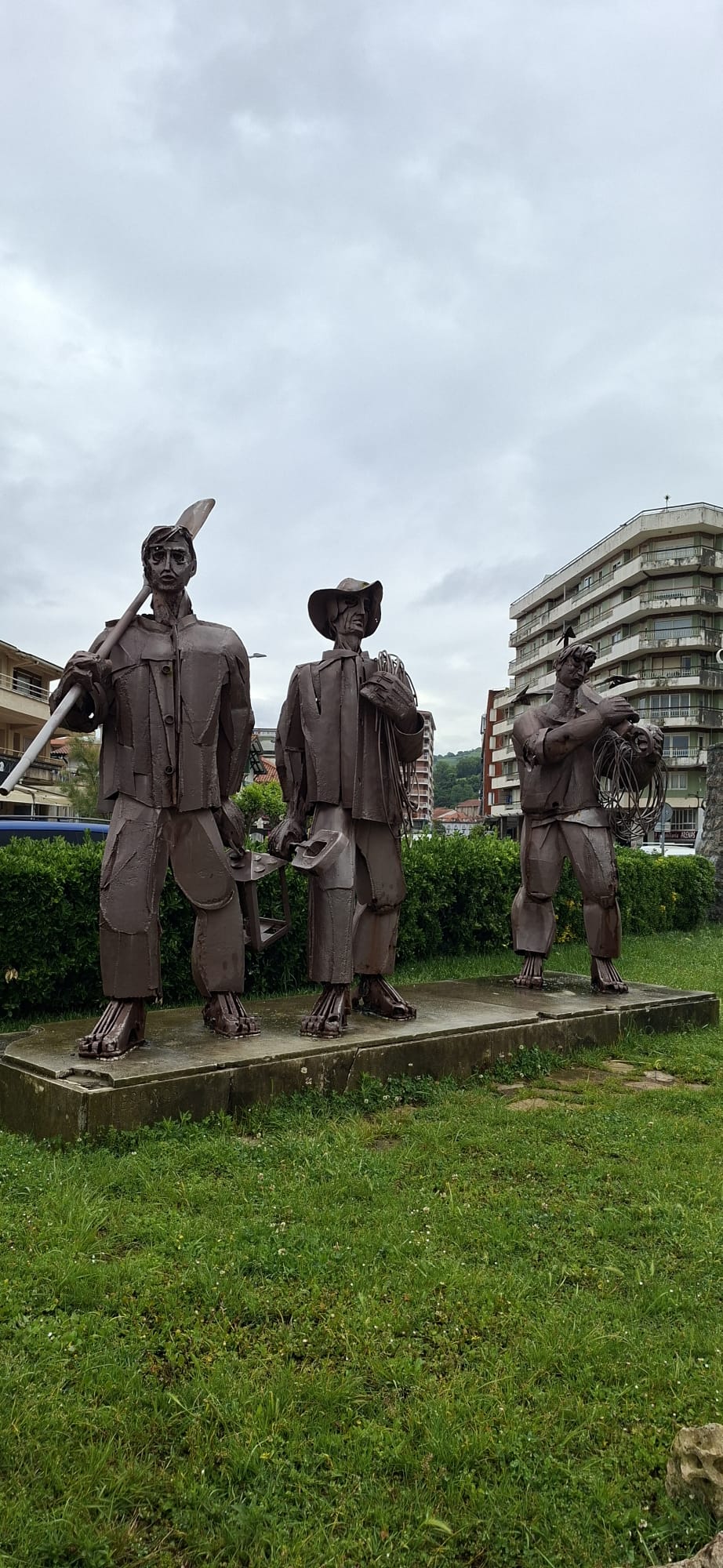
Santurce / Santurtzi – A beautiful port city, with shipbuilding activities still going on in this town, was my first stop / sleep on my Camino. In truth, I was wrecked from the travel and the weeks run up to my leaving home on my spanish little walk. I did soon realise though that I had carried way too much stuff with me and before I left for Castro Urdiales the next morning I was at the Post Office (Correos) to book my bag forward to the next towns I would be staying. Really fantastic service and very reasonably priced, and boy, what a great decision, so don’t hesitate about it, fellow travellers. Two beautiful piece of sculpture grabbed my attention in Santurce/Santurtzi. One was the “Last Sardine Seller”, by sculpture Víctor Goikoetxea. This history and legacy is immortalised in a popular Basque song “Desde Santurce a Bilbao” and another sculpture commerating the thousands of Basque children who were evacuated from the horrors of World War II in Santurtzi port, on the instructions of Jose Antonio Agirre Lekube, lehendakari of the legitimate Government of Euskadi.
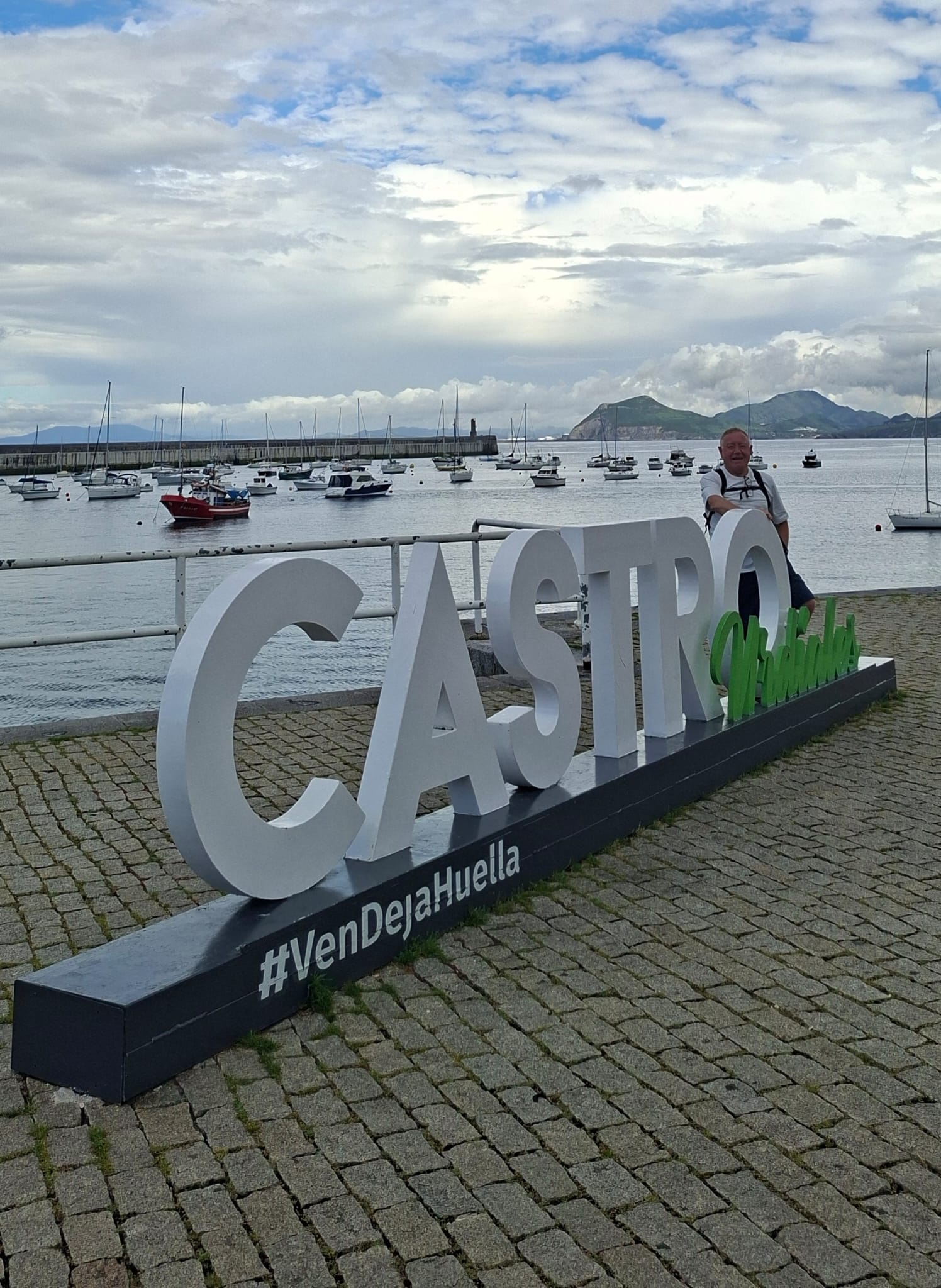
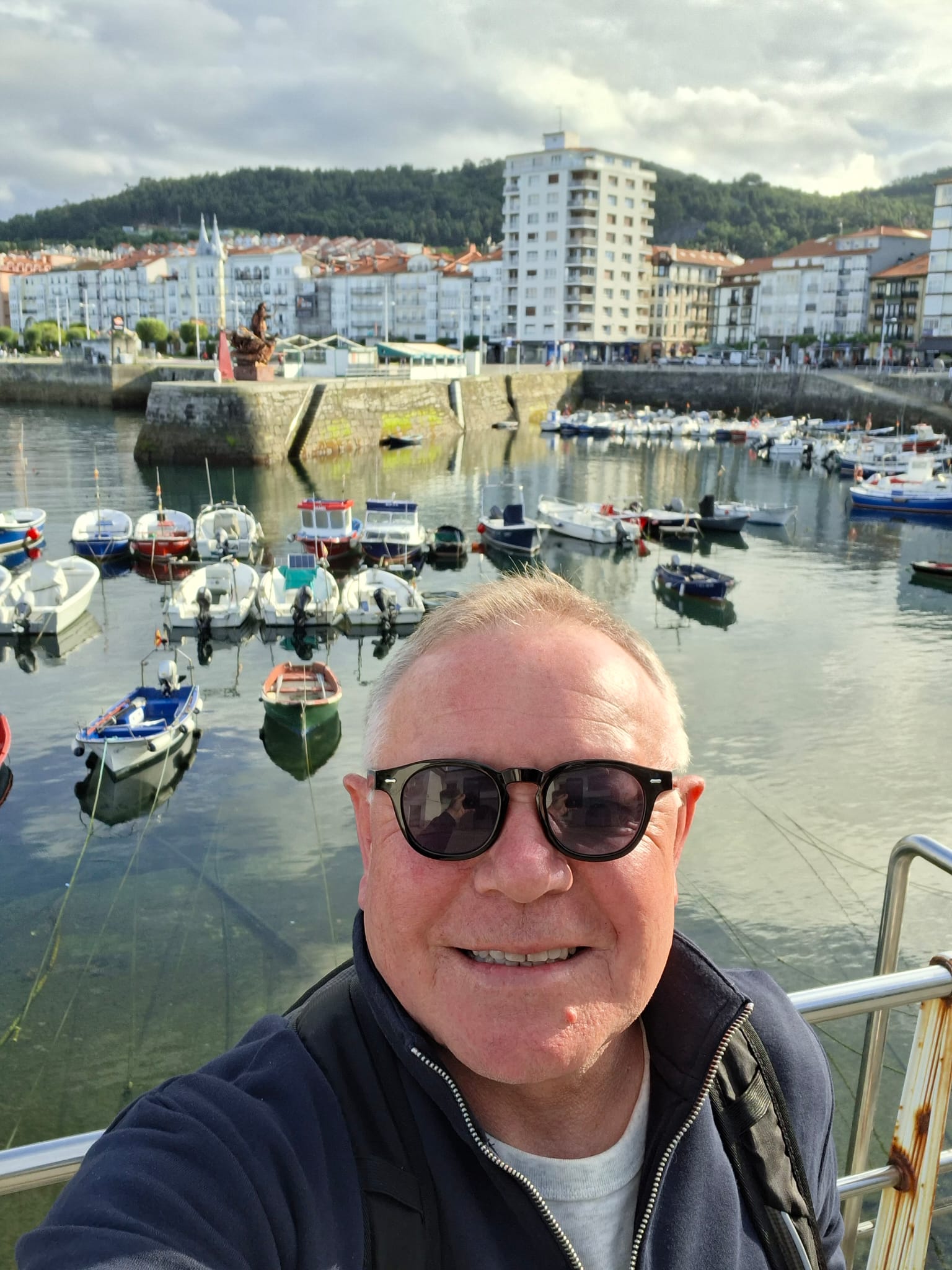
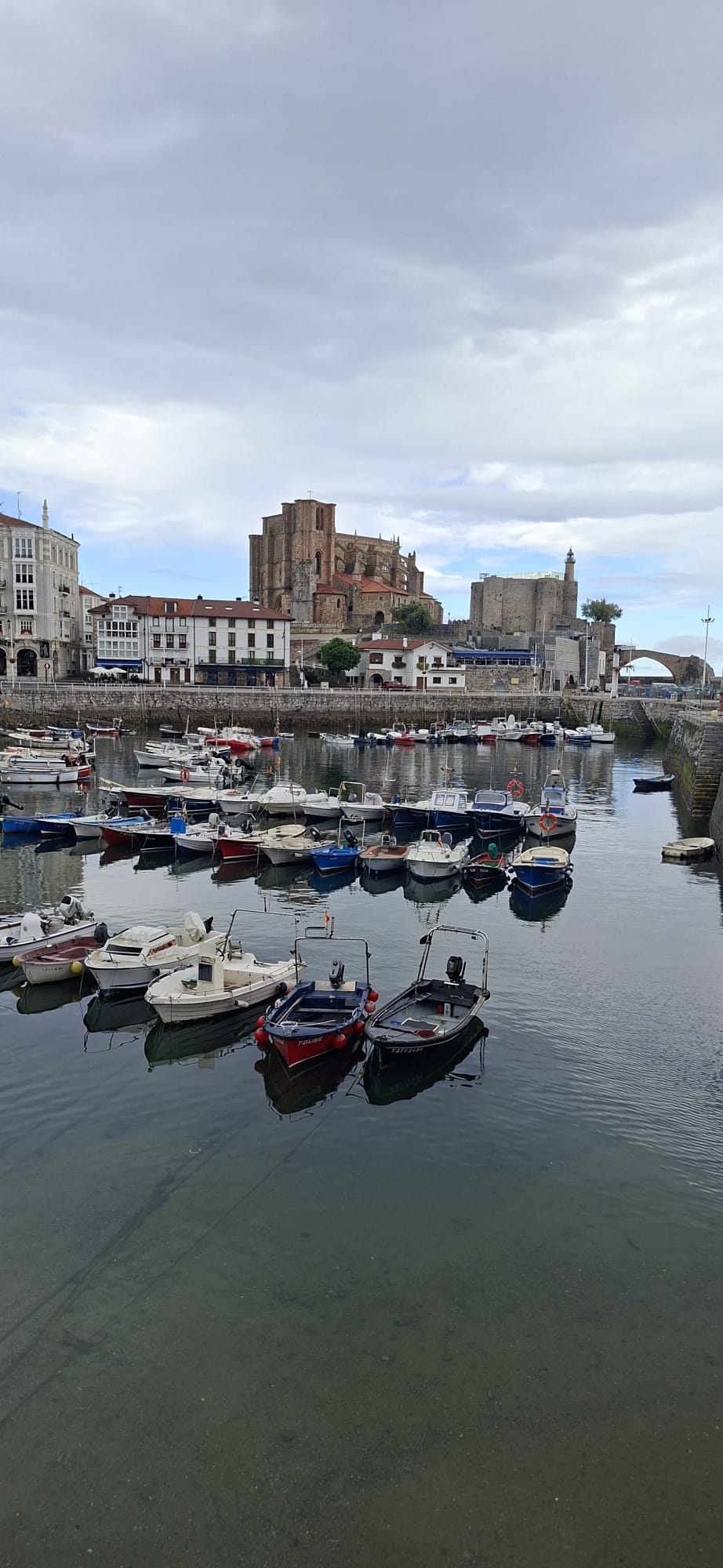
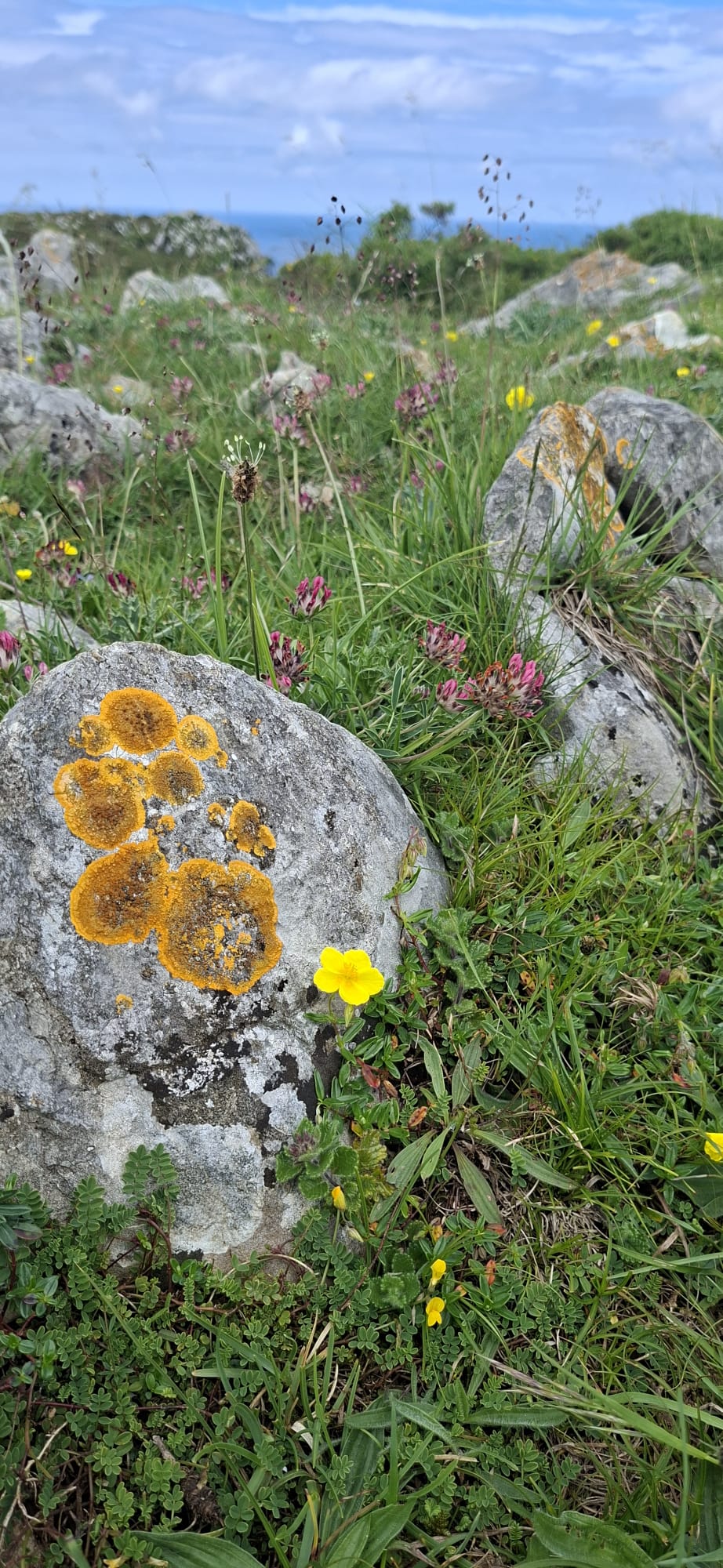
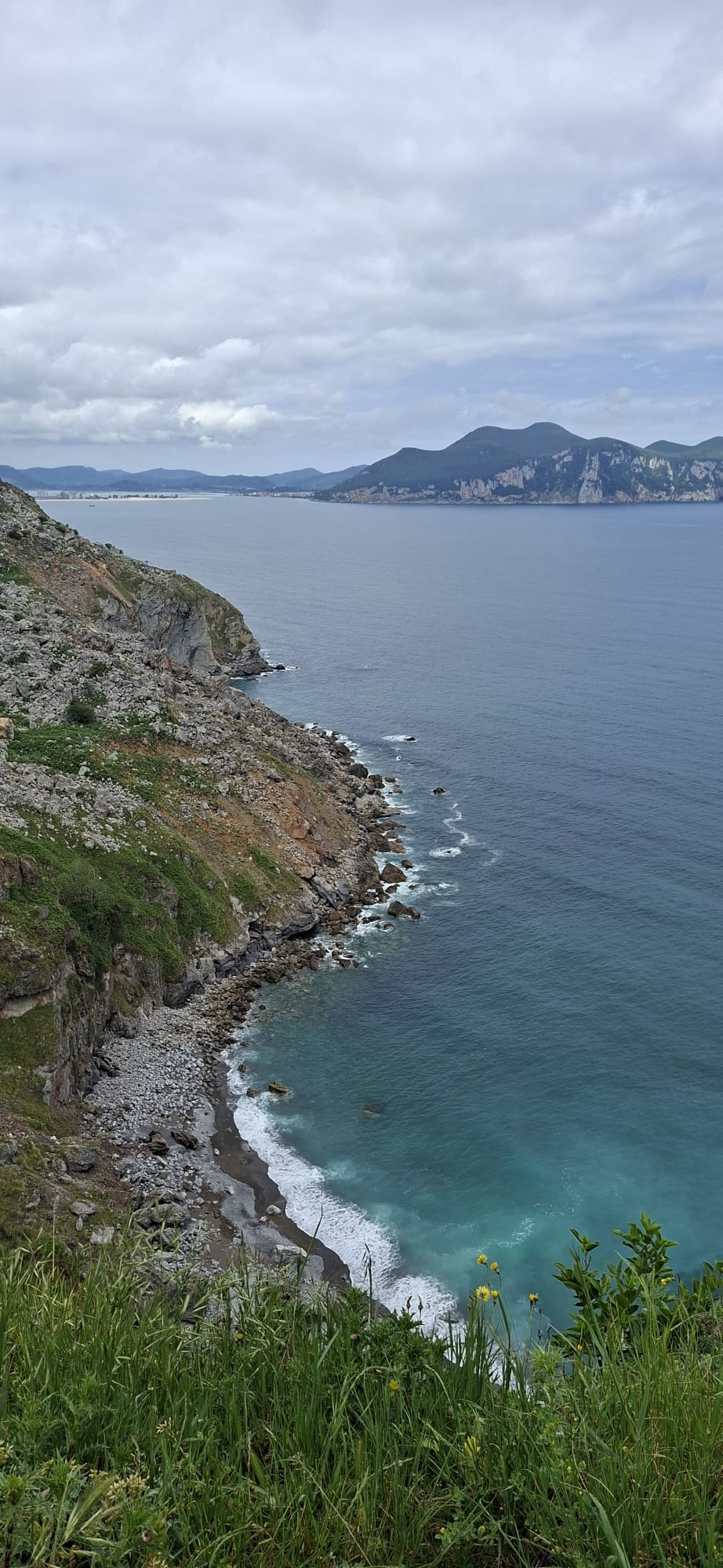
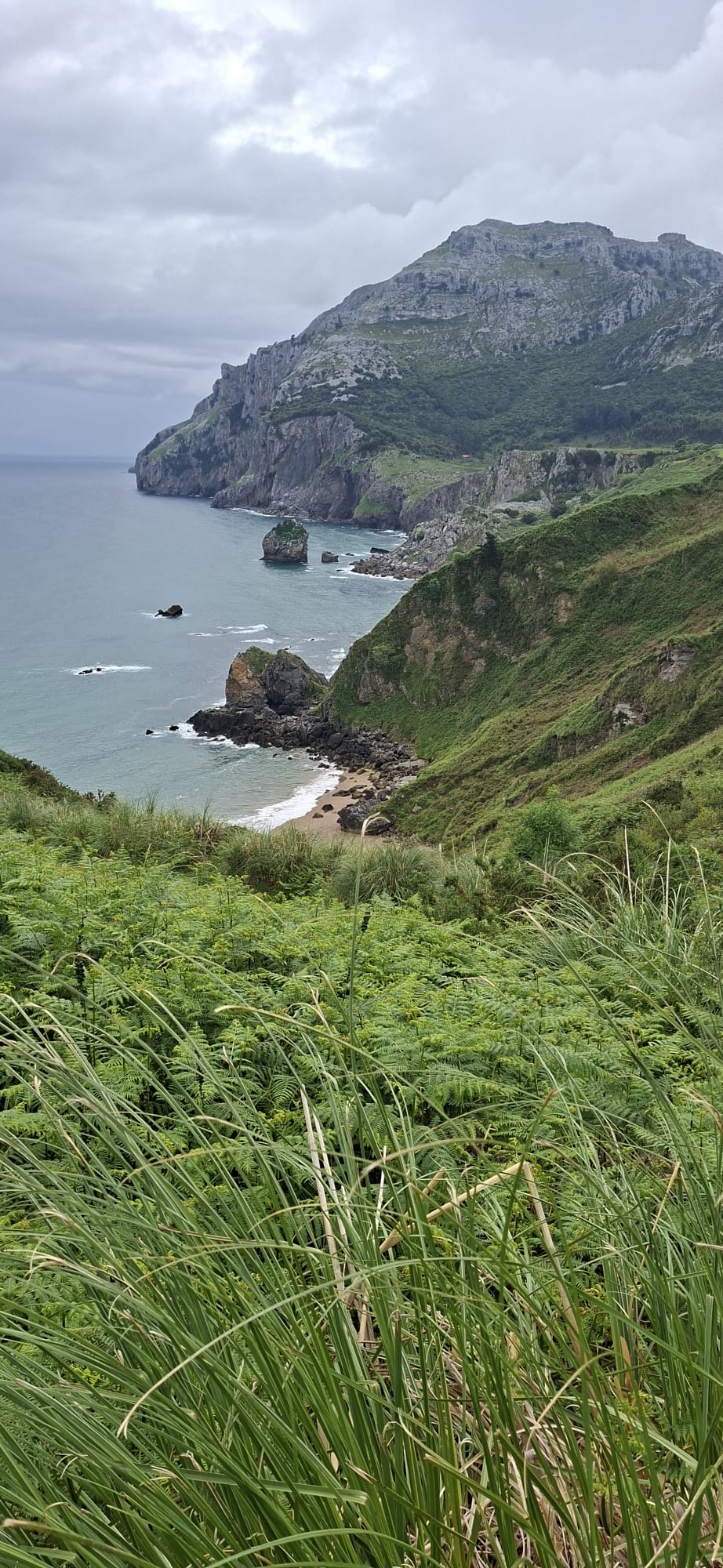
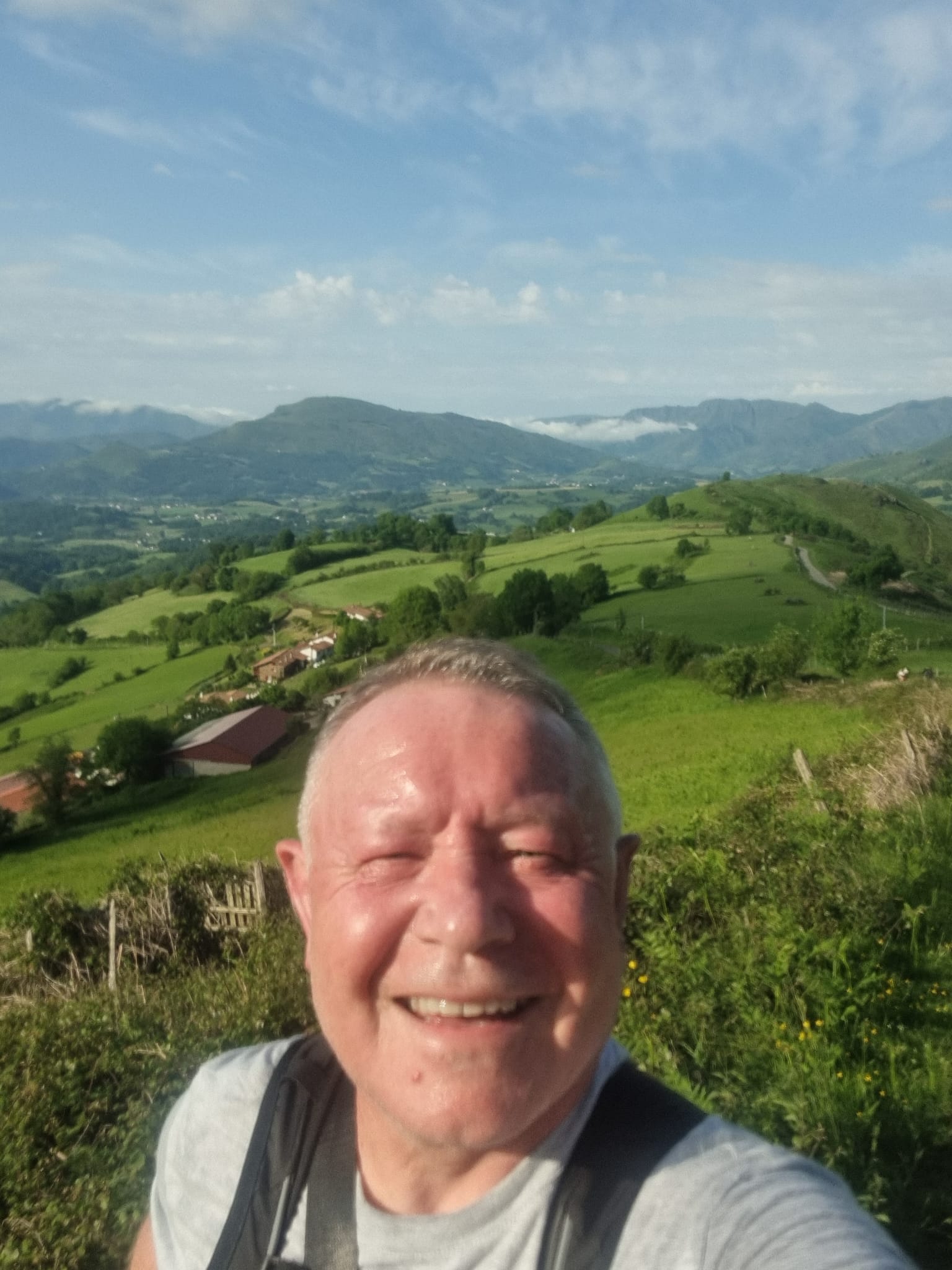
Castro Urdiales – This stunning seaport town just inside the autonomous region of Cantabrian was absolutely breathtakingly beautiful (and the weather was great that day). The walk from Pobena to Castro Urdiales was remarkable and typical of the rugged Atlantic coastline that I have grown up with in Irelands Wild Atlantic Way.
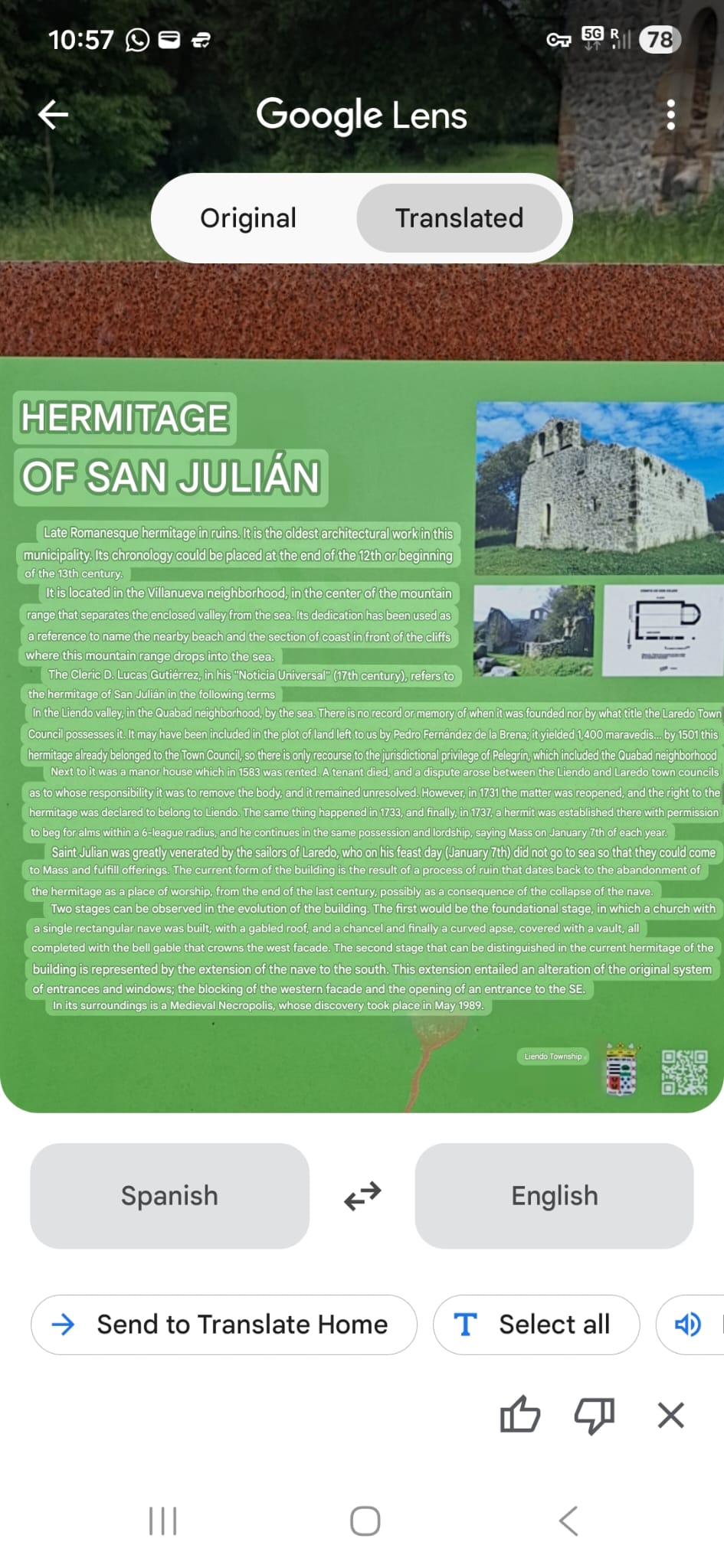
Liendo to Laredo (Old Camino trail)
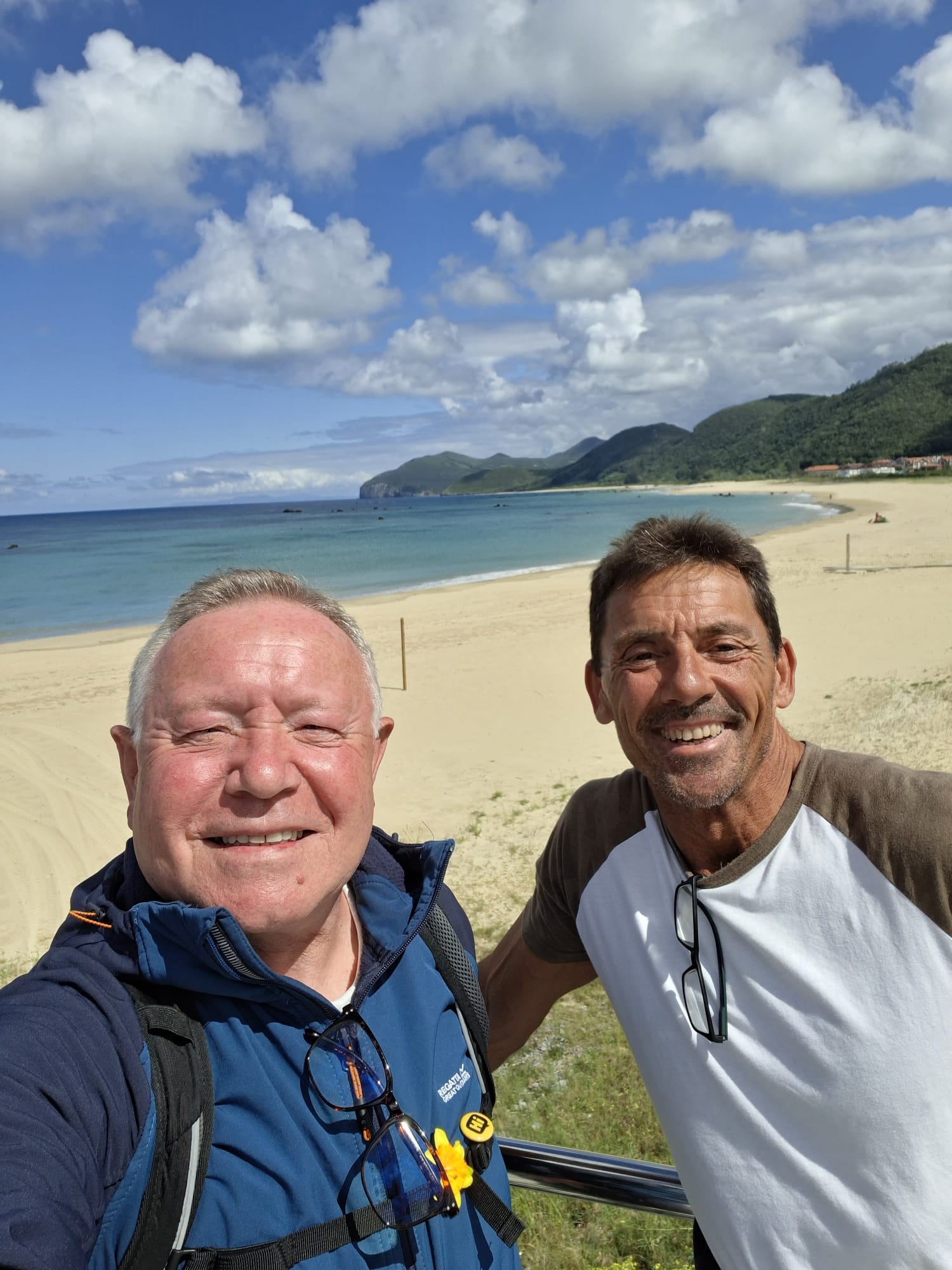
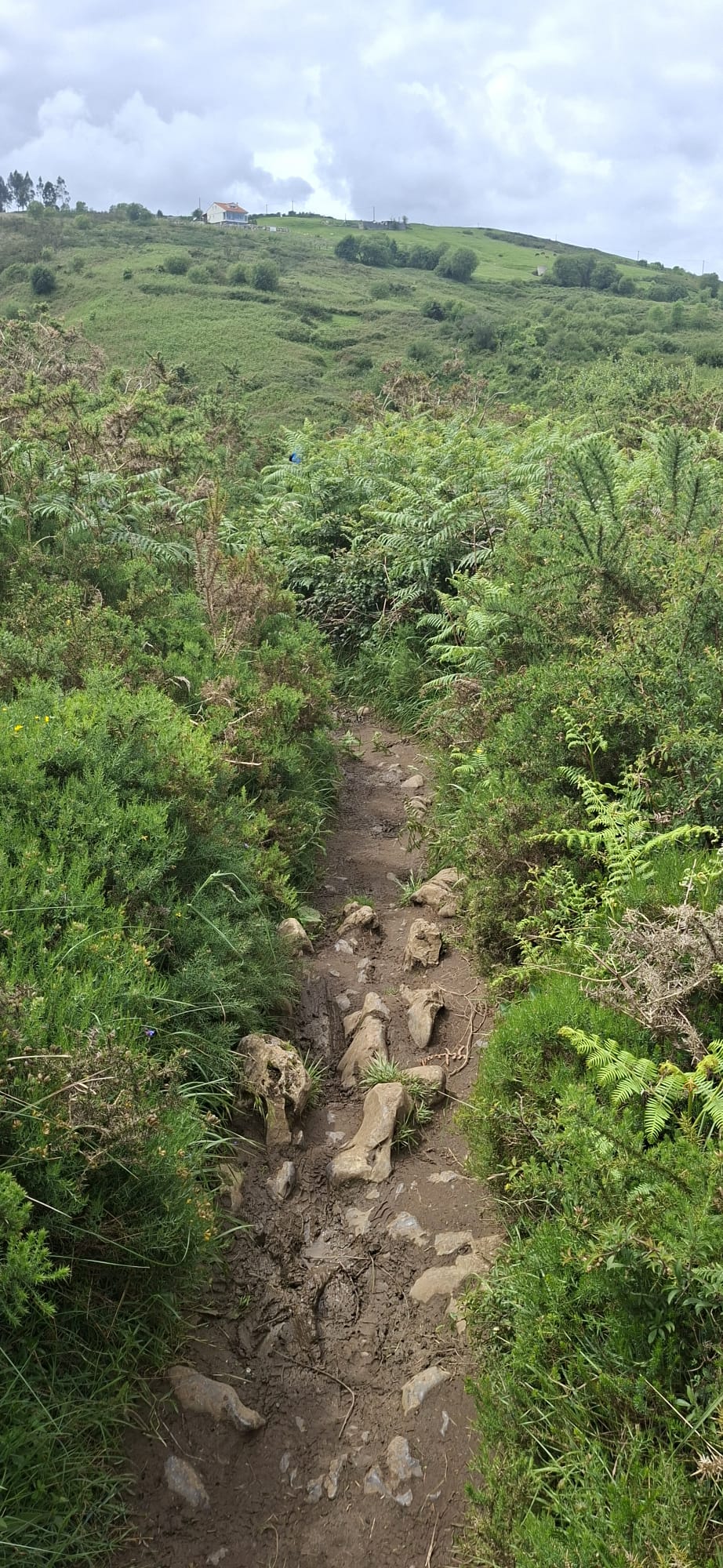
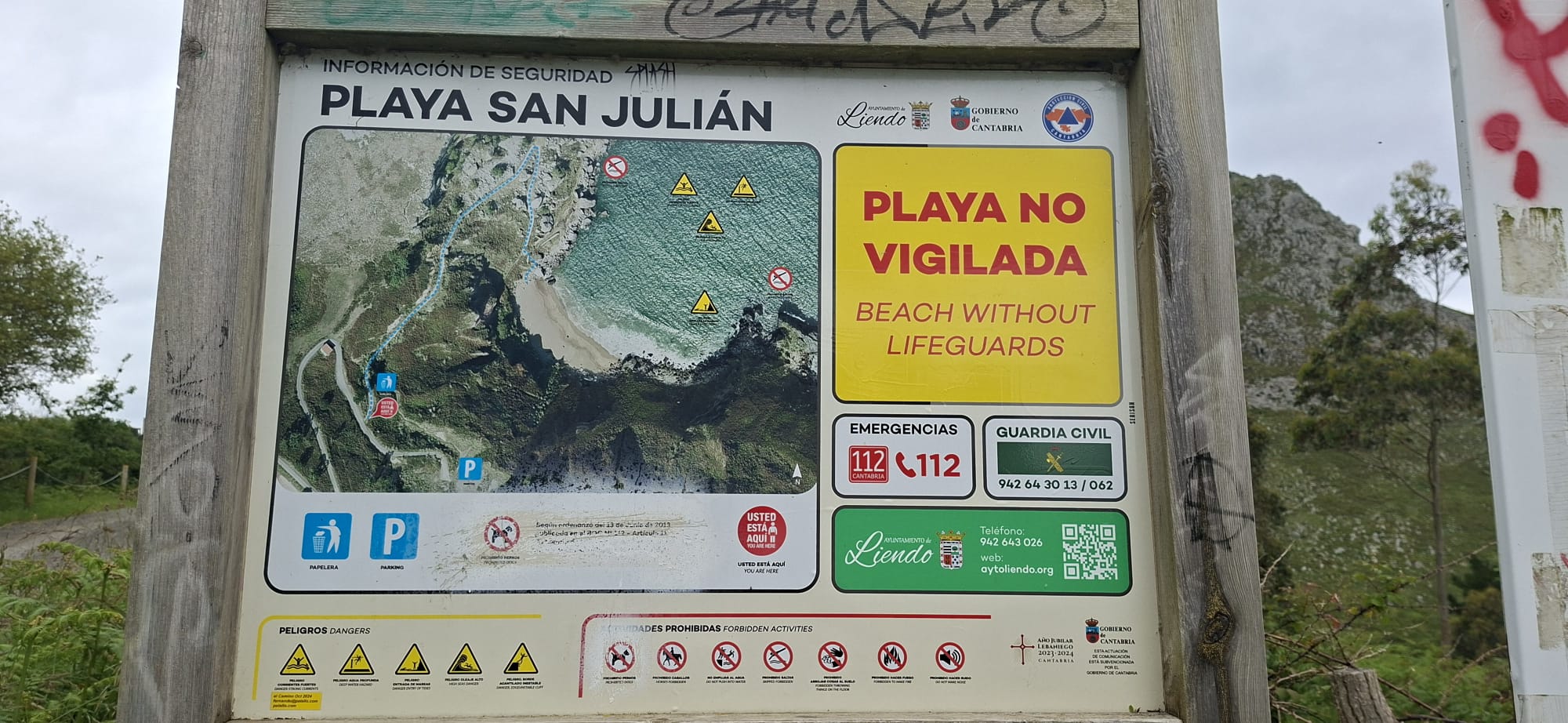
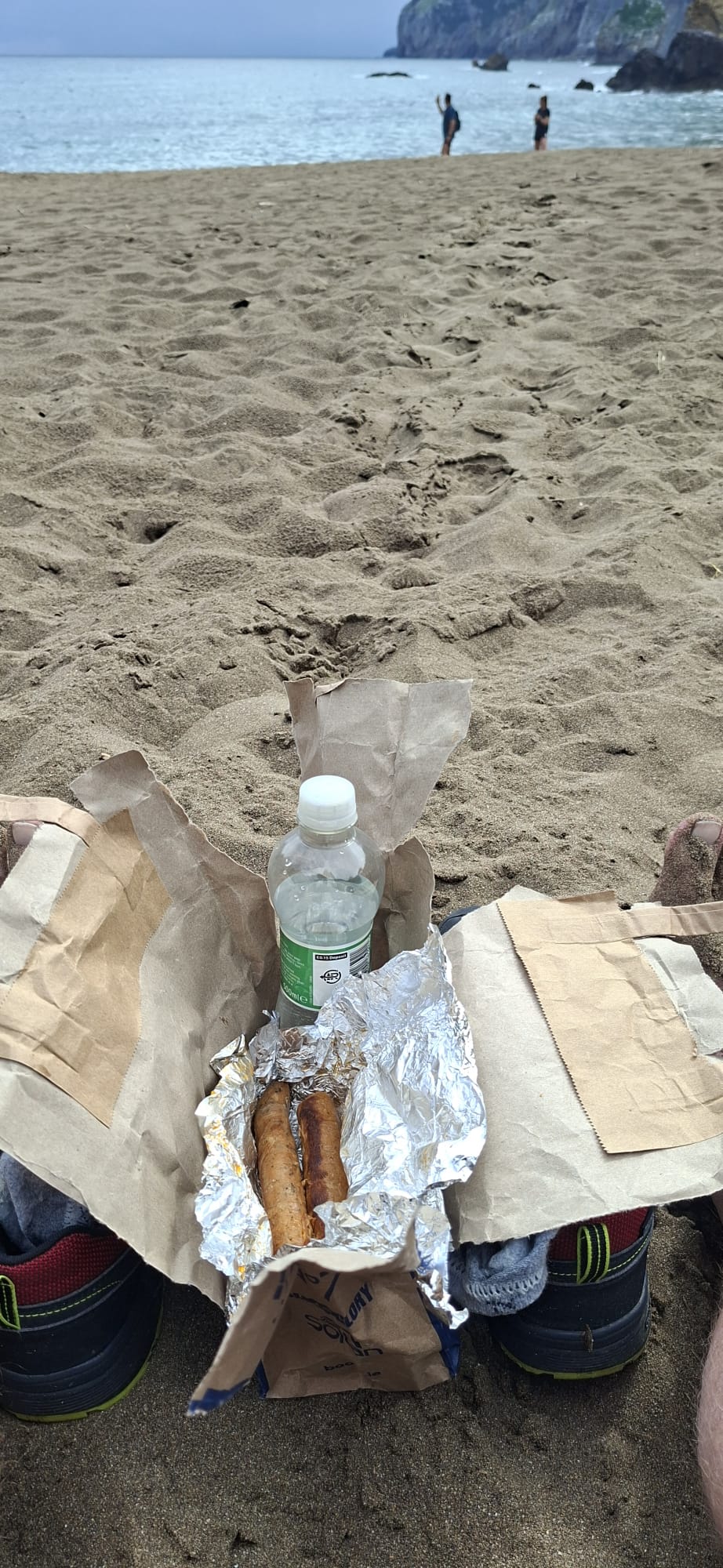
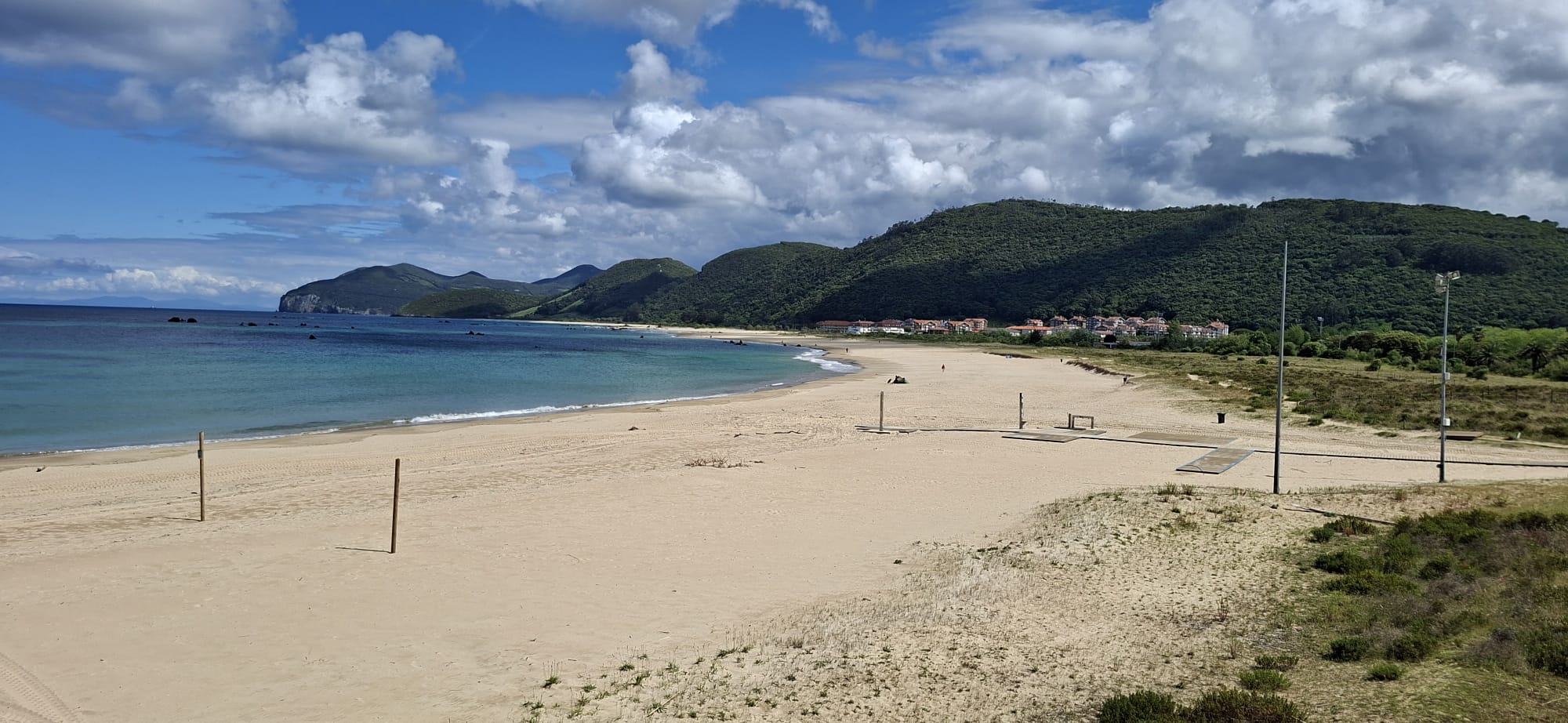
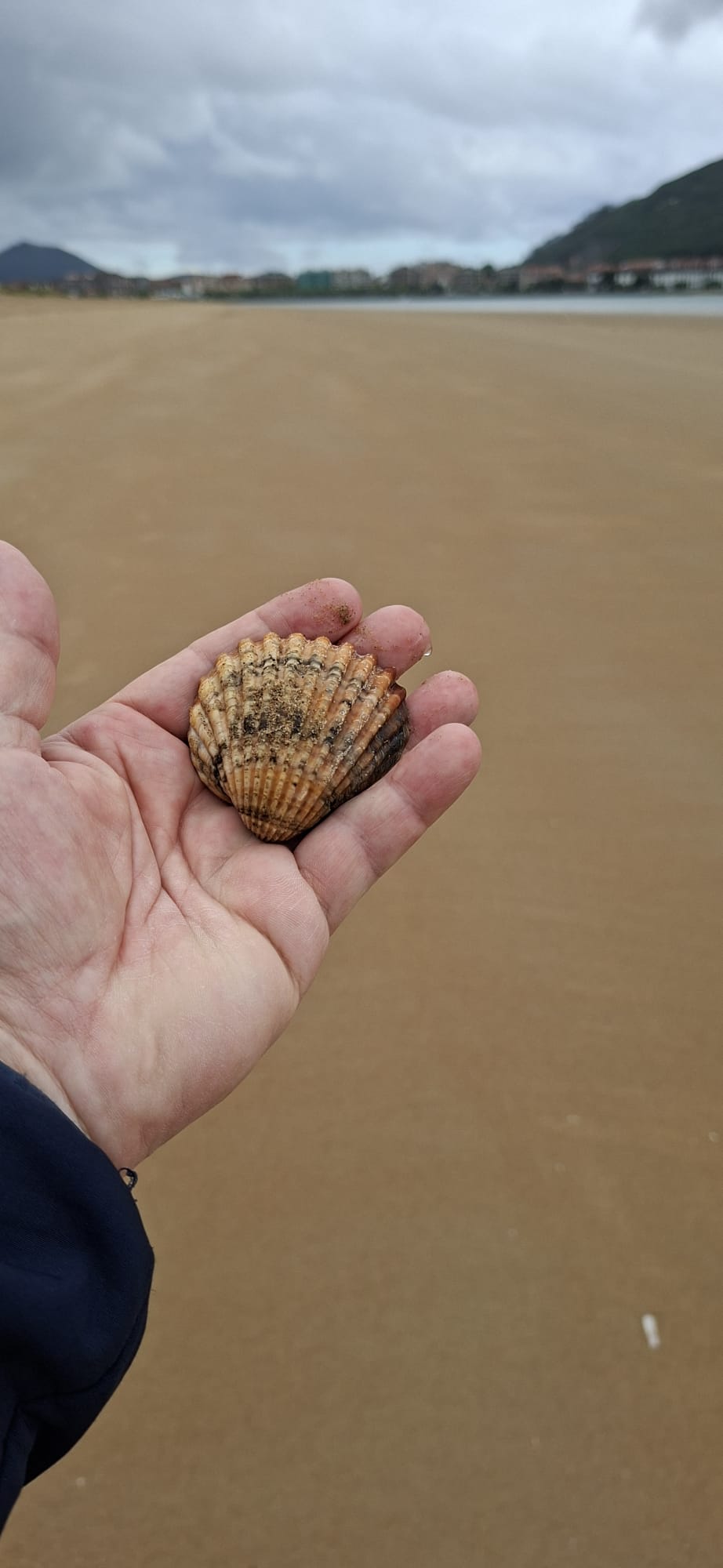
Playa San Julain. A highlight for me was discovering this hidden gem of a beach as I walked the Castro Urdiales to Laredo. It was a steep and precarious pathway down to the beach and a beautiful min-morning break was very welcome.
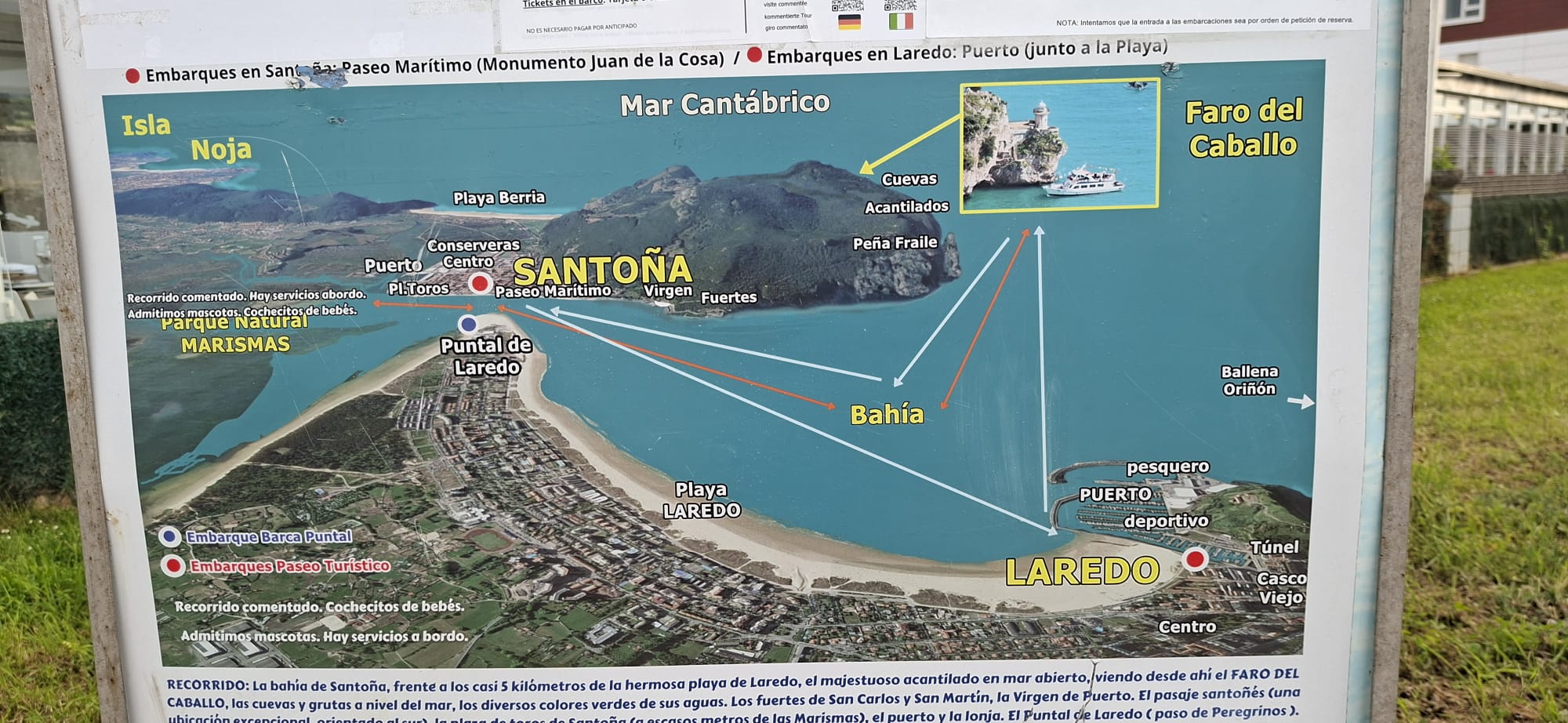
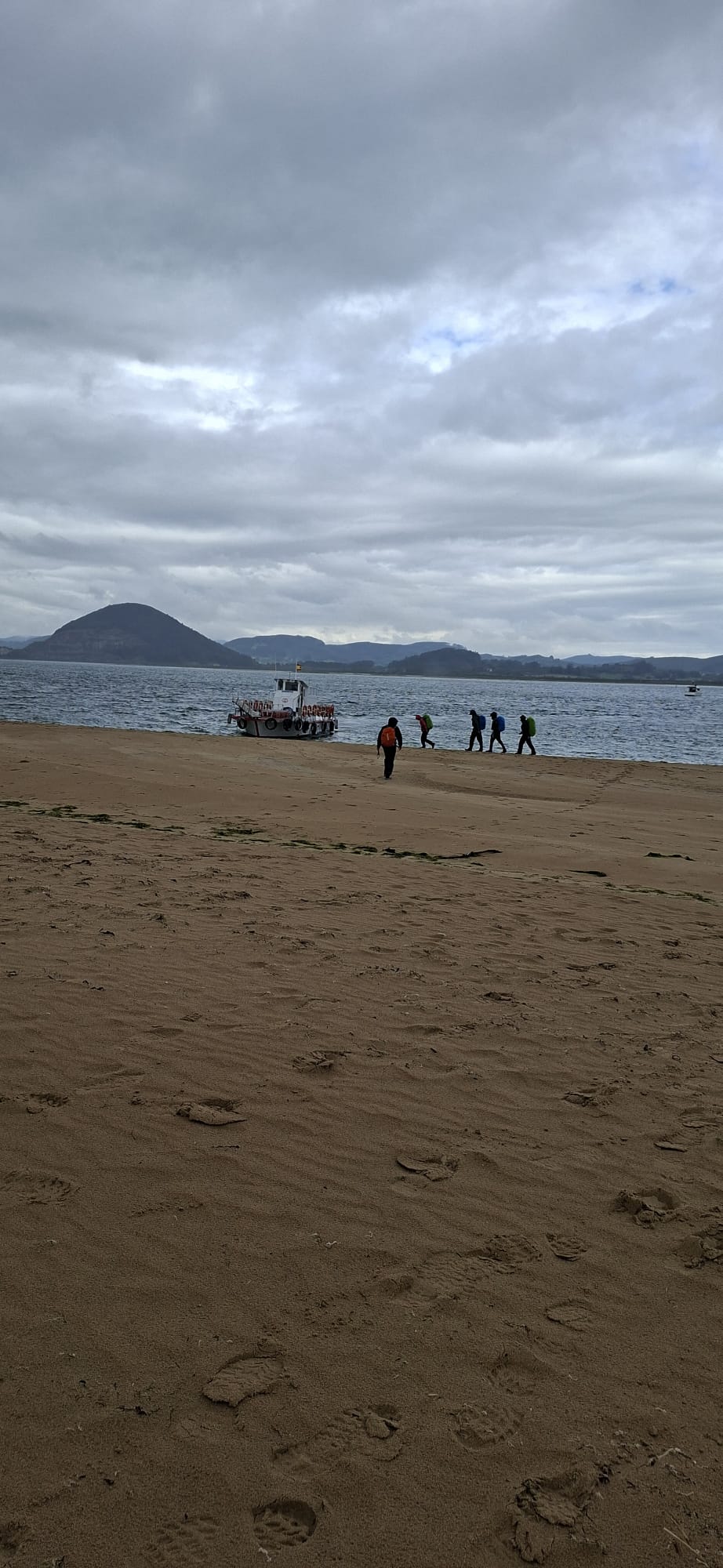
After reaching the stunning town of Laredo and relaxing the next stage to Noja involved the famous Camino Ferry from Laredo Beach to Santona (Barca del Puntal). After our choppy and damp ferry ride it was a lovely walk to Noja. A beautiful seaside town with a fantastic beach and a gorgeous church dedicated to Saint Peter the Apostle. In early May the town was very quiet but on talking to Pablo, holidaying from Barcelona, the population of many towns along the Cantabrian coast, swells to multiples of the year-round inhabitants, with hundreds of thousands of Spanish escaping the inland heat to the coastline. This place is well worth a visit.
Just a moment to say “Happy Birthday” to a most remarkable human being, Sir David Attenborough. A human who touched the lives, hearts and souls of countless billions of people on this “Pale Blue Planet“. David has brought us some of the most remarkable moments ever brought to TV.
Camino 2027 for me, is the final 150KM into Santiago De Compostela. Wonder who will make this little walk about with me. Let me know on findmywhy@gmail.com. More details in the Christmas Blog
For Information. No Artificial Intelligence (AI) assistance was used in the publication of this Blog. We also endeavour (not always successful unfortunately) to use content on linked sites that is created by a genuine content creator and not AI Bots or AI narrated.Garry
March 2024 Blog was so different, relaxed, joyful and free of angst. This ever changing world can be stressful. (Click on the blue words at the beginning of this sentence, which will hyperlink you to the March 2024 blog post)
I’m updating this from Hospedaje Magallanes in Santander, Spain on Friday15th. May as I finish a small stage of the Camino Norte. I will publish the ‘Camino Norte’ Post without delay.
Folks, a quick end of February blog to mark the gentle, slow and steady creep from wintery, wet, dreary and cold into a brightening, colourful, crisp, emerging spring feeling. Although, as I type, a significant part of our country is under orange and yellow weather warnings (again) for continues flooding after what is now believed to be one of our wettest January’s in eight years. There has been such devastating flooding in parts. But, the turn is on it’s way and sooner rather than later. There are some interesting hyperlinks on this small blog. I have tested all of these links and they are safe and will enhance to blog is you so wish to follow these links.
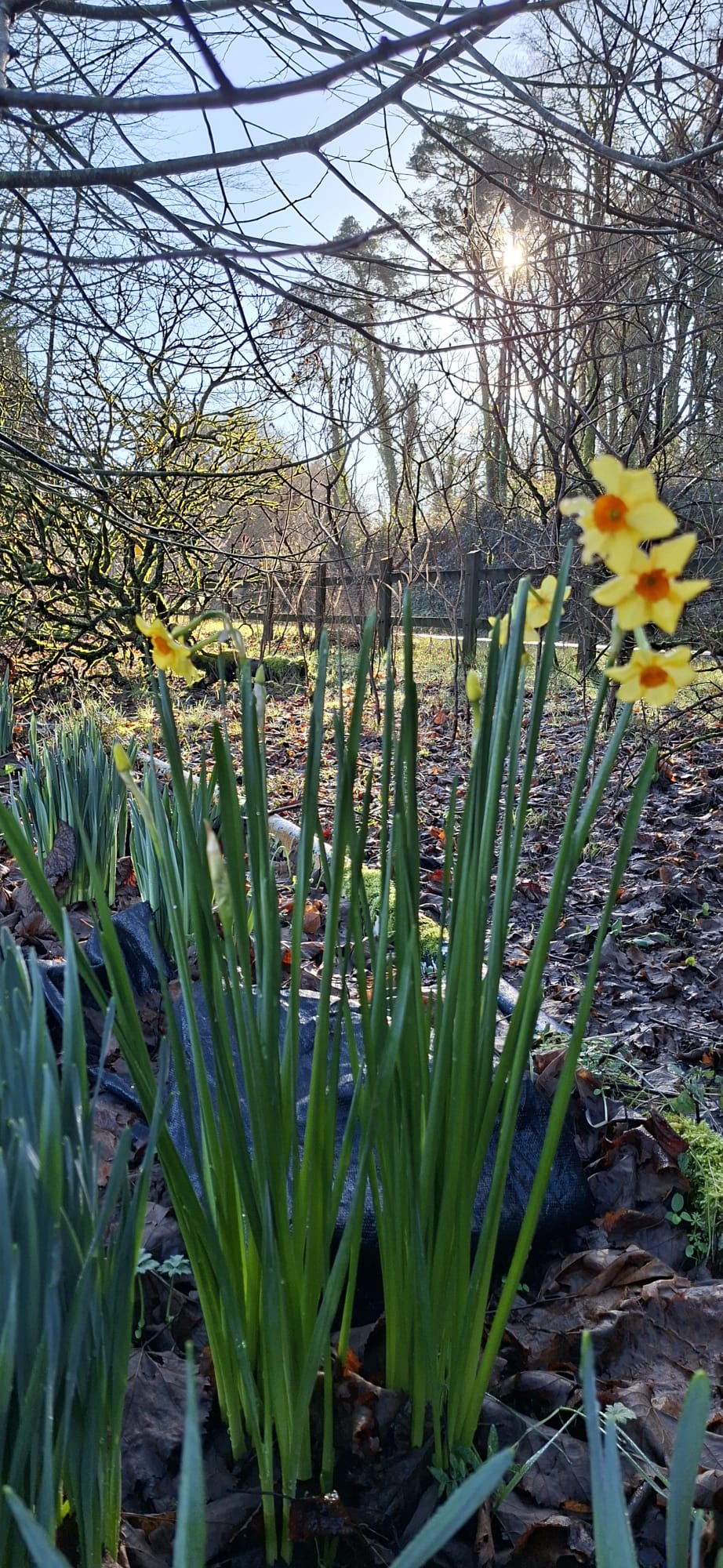
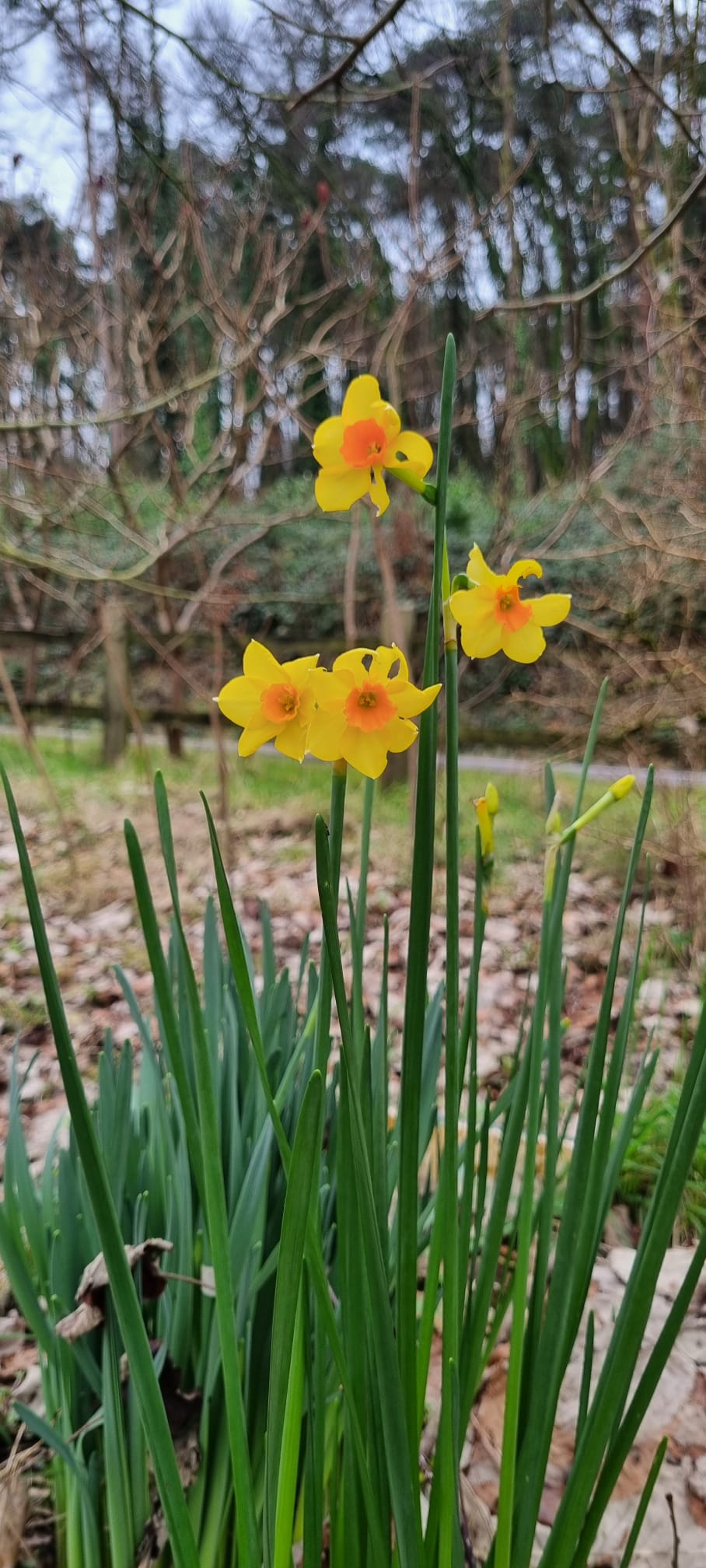
The narcisi (Daffs) blooming on the Carrigaline / Crosshaven walk herald the slow approach of ‘SPRING’
Going for a walk 2026 – Camino Del Norte
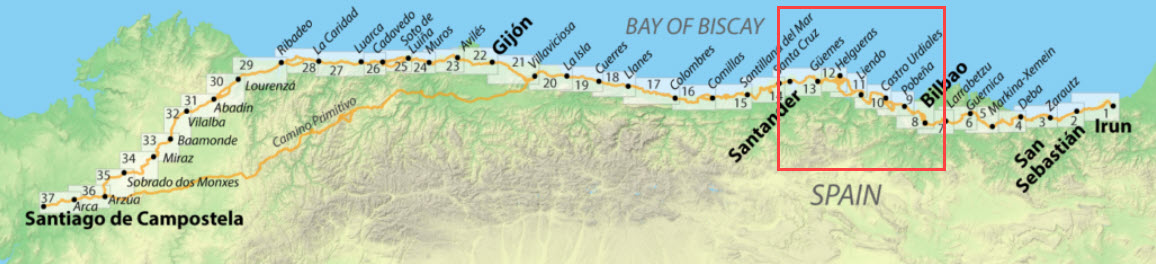
For 2026 I will do a few stages of the Camino del Norte. Now, since I started the Camino Frances in 2025, again for qualification, a few stages only, I will, universe willing, try do a few stages of whatever Camino takes my fancy every May at least. Why May, you may ask?, well the Camino’s get very busy from June to September and the quieter trekking is better suited to me. Also many Summer flight schedules and new destinations begin in May so there is a very good choice, along with there being a huge amount of Camino Routes the choose from.
And this is the portion of Camino Del Norte I plan to complete in May 2026. Fingers crosses and weather permitting.
Growing up in the 1970’s
A reminder to those of us who were lucky enough to grow up in the 70/80’s of how blessed we were / are / to have lived through such amazing musical times (and for our lives in general). First video is Glen Campbell in his prime and his unequalled talent on guitar. His story is worth a listen if you have a free evening. ThisYouTube documentary documents his incredible life and tragic battle with Alzheimer’s. His talent was undeniable and he was admired by by all his contemporises.
And time marches on and we age and break, but his talent could still be see in his last months.
And for those of us reading this blog, here’s a reminder as to why we look so fondly at our growing up years in the 1970’s
Artificial Intelligence (AI) 2026
Now for something completely different. Artificial Intelligence (AI) is such a buzzword and has been for the last 6 to 12 months and if you believe some of the clickbait / media, we are all, to put it mildly fu*&ed. Now if you are using it, fantastic and continued success to you as I’ve seen and experienced some of its phenomenal and awesome abilities, but for those of you who just don’t have the time, inclination or interest, below is an article written by one of my favourite Tech guys, Matt Schumer. (https://edition.cnn.com/2026/02/12/business/video/matt-shumer-future-of-ai-warning-vrtc) On this short video link, he is talking to CNN about an article published in Fortune, New York. I have included the complete article below (30 Minutes read). This little blog is hopefully here to help you and certainly NOT to scare you, but do stay informed. Right now AI is providing me with a personalised plan for my short Camino Del Norte in May 2026 along with other personal stuff and to put it mildly, again. It is fecking mind-blowing.
Think back to February 2020
If you were paying close attention, you might have noticed a few people talking about a virus spreading overseas. But most of us weren’t paying close attention. The stock market was doing great, your kids were in school, you were going to restaurants and shaking hands and planning trips. If someone told you they were stockpiling toilet paper you would have thought they’d been spending too much time on a weird corner of the internet. Then, over the course of about three weeks, the entire world changed. Your office closed, your kids came home, and life rearranged itself into something you wouldn’t have believed if you’d described it to yourself a month earlier. I think we’re in the “this seems overblown” phase of something much, much bigger than Covid. I’ve spent six years building an AI startup and investing in the space. I live in this world. And I’m writing this for the people in my life who don’t… my family, my friends, the people I care about who keep asking me “so what’s the deal with AI?” and getting an answer that doesn’t do justice to what’s actually happening. I keep giving them the polite version. The cocktail-party version. Because the honest version sounds like I’ve lost my mind. And for a while, I told myself that was a good enough reason to keep what’s truly happening to myself. But the gap between what I’ve been saying and what is actually happening has gotten far too big. The people I care about deserve to hear what is coming, even if it sounds crazy. I should be clear about something up front: even though I work in AI, I have almost no influence over what’s about to happen, and neither does the vast majority of the industry. The future is being shaped by a remarkably small number of people: a few hundred researchers at a handful of companies… OpenAI, Anthropic, Google DeepMind, and a few others. A single training run, managed by a small team over a few months, can produce an AI system that shifts the entire trajectory of the technology. Most of us who work in AI are building on top of foundations we didn’t lay. We’re watching this unfold the same as you… we just happen to be close enough to feel the ground shake first. But it’s time now. Not in an “eventually we should talk about this” way. In a “this is happening right now and I need you to understand it” way. I know this is real because it happened to me first Here’s the thing nobody outside of tech quite understands yet: the reason so many people in the industry are sounding the alarm right now is because this already happened to us. We’re not making predictions. We’re telling you what already occurred in our own jobs, and warning you that you’re next. For years, AI had been improving steadily. Big jumps here and there, but each big jump was spaced out enough that you could absorb them as they came. Then in 2025, new techniques for building these models unlocked a much faster pace of progress. And then it got even faster. And then faster again. Each new model wasn’t just better than the last… it was better by a wider margin, and the time between new model releases was shorter. I was using AI more and more, going back and forth with it less and less, watching it handle things I used to think required my expertise. Then, on February 5th, two major AI labs released new models on the same day: GPT-5.3 Codex from OpenAI, and Opus 4.6 from Anthropic (the makers of Claude, one of the main competitors to ChatGPT). And something clicked. Not like a light switch… more like the moment you realize the water has been rising around you and is now at your chest. I am no longer needed for the actual technical work of my job. I describe what I want built, in plain English, and it just… appears. Not a rough draft I need to fix. The finished thing. I tell the AI what I want, walk away from my computer for four hours, and come back to find the work done. Done well, done better than I would have done it myself, with no corrections needed. A couple of months ago, I was going back and forth with the AI, guiding it, making edits. Now I just describe the outcome and leave. Let me give you an example so you can understand what this actually looks like in practice. I’ll tell the AI: “I want to build this app. Here’s what it should do, here’s roughly what it should look like. Figure out the user flow, the design, all of it.” And it does. It writes tens of thousands of lines of code. Then, and this is the part that would have been unthinkable a year ago, it opens the app itself. It clicks through the buttons. It tests the features. It uses the app the way a person would. If it doesn’t like how something looks or feels, it goes back and changes it, on its own. It iterates, like a developer would, fixing and refining until it’s satisfied. Only once it has decided the app meets its own standards does it come back to me and say: “It’s ready for you to test.” And when I test it, it’s usually perfect. I’m not exaggerating. That is what my Monday looked like this week. But it was the model that was released last week (GPT-5.3 Codex) that shook me the most. It wasn’t just executing my instructions. It was making intelligent decisions. It had something that felt, for the first time, like judgment. Like taste. The inexplicable sense of knowing what the right call is that people always said AI would never have. This model has it, or something close enough that the distinction is starting not to matter. I’ve always been early to adopt AI tools. But the last few months have shocked me. These new AI models aren’t incremental improvements. This is a different thing entirely. And here’s why this matters to you, even if you don’t work in tech. The AI labs made a deliberate choice. They focused on making AI great at writing code first… because building AI requires a lot of code. If AI can write that code, it can help build the next version of itself. A smarter version, which writes better code, which builds an even smarter version. Making AI great at coding was the strategy that unlocks everything else. That’s why they did it first. My job started changing before yours not because they were targeting software engineers… it was just a side effect of where they chose to aim first. They’ve now done it. And they’re moving on to everything else. The experience that tech workers have had over the past year, of watching AI go from “helpful tool” to “does my job better than I do”, is the experience everyone else is about to have. Law, finance, medicine, accounting, consulting, writing, design, analysis, customer service. Not in ten years. The people building these systems say one to five years. Some say less. And given what I’ve seen in just the last couple of months, I think “less” is more likely. “But I tried AI and it wasn’t that good” I hear this constantly. I understand it, because it used to be true. If you tried ChatGPT in 2023 or early 2024 and thought “this makes stuff up” or “this isn’t that impressive”, you were right. Those early versions were genuinely limited. They hallucinated. They confidently said things that were nonsense. That was two years ago. In AI time, that is ancient history. The models available today are unrecognizable from what existed even six months ago. The debate about whether AI is “really getting better” or “hitting a wall” — which has been going on for over a year — is over. It’s done. Anyone still making that argument either hasn’t used the current models, has an incentive to downplay what’s happening, or is evaluating based on an experience from 2024 that is no longer relevant. I don’t say that to be dismissive. I say it because the gap between public perception and current reality is now enormous, and that gap is dangerous… because it’s preventing people from preparing. Part of the problem is that most people are using the free version of AI tools. The free version is over a year behind what paying users have access to. Judging AI based on free-tier ChatGPT is like evaluating the state of smartphones by using a flip phone. The people paying for the best tools, and actually using them daily for real work, know what’s coming. I think of my friend, who’s a lawyer. I keep telling him to try using AI at his firm, and he keeps finding reasons it won’t work. It’s not built for his specialty, it made an error when he tested it, it doesn’t understand the nuance of what he does. And I get it. But I’ve had partners at major law firms reach out to me for advice, because they’ve tried the current versions and they see where this is going. One of them, the managing partner at a large firm, spends hours every day using AI. He told me it’s like having a team of associates available instantly. He’s not using it because it’s a toy. He’s using it because it works. And he told me something that stuck with me: every couple of months, it gets significantly more capable for his work. He said if it stays on this trajectory, he expects it’ll be able to do most of what he does before long… and he’s a managing partner with decades of experience. He’s not panicking. But he’s paying very close attention. The people who are ahead in their industries (the ones actually experimenting seriously) are not dismissing this. They’re blown away by what it can already do. And they’re positioning themselves accordingly. How fast this is actually moving Let me make the pace of improvement concrete, because I think this is the part that’s hardest to believe if you’re not watching it closely. In 2022, AI couldn’t do basic arithmetic reliably. It would confidently tell you that 7 × 8 = 54. By 2023, it could pass the bar exam. By 2024, it could write working software and explain graduate-level science. By late 2025, some of the best engineers in the world said they had handed over most of their coding work to AI. On February 5th, 2026, new models arrived that made everything before them feel like a different era. If you haven’t tried AI in the last few months, what exists today would be unrecognizable to you. There’s an organization called METR that actually measures this with data. They track the length of real-world tasks (measured by how long they take a human expert) that a model can complete successfully end-to-end without human help. About a year ago, the answer was roughly ten minutes. Then it was an hour. Then several hours. The most recent measurement (Claude Opus 4.5, from November) showed the AI completing tasks that take a human expert nearly five hours. And that number is doubling approximately every seven months, with recent data suggesting it may be accelerating to as fast as every four months. But even that measurement hasn’t been updated to include the models that just came out this week. In my experience using them, the jump is extremely significant. I expect the next update to METR’s graph to show another major leap. If you extend the trend (and it’s held for years with no sign of flattening) we’re looking at AI that can work independently for days within the next year. Weeks within two. Month-long projects within three. Amodei has said that AI models “substantially smarter than almost all humans at almost all tasks” are on track for 2026 or 2027. Let that land for a second. If AI is smarter than most PhDs, do you really think it can’t do most office jobs? Think about what that means for your work. AI is now building the next AI There’s one more thing happening that I think is the most important development and the least understood. On February 5th, OpenAI released GPT-5.3 Codex. In the technical documentation, they included this: “GPT-5.3-Codex is our first model that was instrumental in creating itself. The Codex team used early versions to debug its own training, manage its own deployment, and diagnose test results and evaluations.” Read that again. The AI helped build itself. This isn’t a prediction about what might happen someday. This is OpenAI telling you, right now, that the AI they just released was used to create itself. One of the main things that makes AI better is intelligence applied to AI development. And AI is now intelligent enough to meaningfully contribute to its own improvement. Dario Amodei, the CEO of Anthropic, says AI is now writing “much of the code” at his company, and that the feedback loop between current AI and next-generation AI is “gathering steam month by month.” He says we may be “only 1–2 years away from a point where the current generation of AI autonomously builds the next.” Each generation helps build the next, which is smarter, which builds the next faster, which is smarter still. The researchers call this an intelligence explosion. And the people who would know — the ones building it — believe the process has already started. What this means for your job I’m going to be direct with you because I think you deserve honesty more than comfort. Dario Amodei, who is probably the most safety-focused CEO in the AI industry, has publicly predicted that AI will eliminate 50% of entry-level white-collar jobs within one to five years. And many people in the industry think he’s being conservative. Given what the latest models can do, the capability for massive disruption could be here by the end of this year. It’ll take some time to ripple through the economy, but the underlying ability is arriving now. This is different from every previous wave of automation, and I need you to understand why. AI isn’t replacing one specific skill. It’s a general substitute for cognitive work. It gets better at everything simultaneously. When factories automated, a displaced worker could retrain as an office worker. When the internet disrupted retail, workers moved into logistics or services. But AI doesn’t leave a convenient gap to move into. Whatever you retrain for, it’s improving at that too. Let me give you a few specific examples to make this tangible… but I want to be clear that these are just examples. This list is not exhaustive. If your job isn’t mentioned here, that does not mean it’s safe. Almost all knowledge work is being affected. Legal work. AI can already read contracts, summarize case law, draft briefs, and do legal research at a level that rivals junior associates. The managing partner I mentioned isn’t using AI because it’s fun. He’s using it because it’s outperforming his associates on many tasks. Financial analysis. Building financial models, analyzing data, writing investment memos, generating reports. AI handles these competently and is improving fast. Writing and content. Marketing copy, reports, journalism, technical writing. The quality has reached a point where many professionals can’t distinguish AI output from human work. Software engineering. This is the field I know best. A year ago, AI could barely write a few lines of code without errors. Now it writes hundreds of thousands of lines that work correctly. Large parts of the job are already automated: not just simple tasks, but complex, multi-day projects. There will be far fewer programming roles in a few years than there are today. Medical analysis. Reading scans, analyzing lab results, suggesting diagnoses, reviewing literature. AI is approaching or exceeding human performance in several areas. Customer service. Genuinely capable AI agents… not the frustrating chatbots of five years ago… are being deployed now, handling complex multi-step problems. A lot of people find comfort in the idea that certain things are safe. That AI can handle the grunt work but can’t replace human judgment, creativity, strategic thinking, empathy. I used to say this too. I’m not sure I believe it anymore. The most recent AI models make decisions that feel like judgment. They show something that looked like taste: an intuitive sense of what the right call was, not just the technically correct one. A year ago that would have been unthinkable. My rule of thumb at this point is: if a model shows even a hint of a capability today, the next generation will be genuinely good at it. These things improve exponentially, not linearly. Will AI replicate deep human empathy? Replace the trust built over years of a relationship? I don’t know. Maybe not. But I’ve already watched people begin relying on AI for emotional support, for advice, for companionship. That trend is only going to grow. I think the honest answer is that nothing that can be done on a computer is safe in the medium term. If your job happens on a screen (if the core of what you do is reading, writing, analyzing, deciding, communicating through a keyboard) then AI is coming for significant parts of it. The timeline isn’t “someday.” It’s already started. Eventually, robots will handle physical work too. They’re not quite there yet. But “not quite there yet” in AI terms has a way of becoming “here” faster than anyone expects. What you should actually do I’m not writing this to make you feel helpless. I’m writing this because I think the single biggest advantage you can have right now is simply being early. Early to understand it. Early to use it. Early to adapt. Start using AI seriously, not just as a search engine. Sign up for the paid version of Claude or ChatGPT. It’s $20 a month. But two things matter right away. First: make sure you’re using the best model available, not just the default. These apps often default to a faster, dumber model. Dig into the settings or the model picker and select the most capable option. Right now that’s GPT-5.2 on ChatGPT or Claude Opus 4.6 on Claude, but it changes every couple of months. If you want to stay current on which model is best at any given time, you can follow me on X (@mattshumer_). I test every major release and share what’s actually worth using. Second, and more important: don’t just ask it quick questions. That’s the mistake most people make. They treat it like Google and then wonder what the fuss is about. Instead, push it into your actual work. If you’re a lawyer, feed it a contract and ask it to find every clause that could hurt your client. If you’re in finance, give it a messy spreadsheet and ask it to build the model. If you’re a manager, paste in your team’s quarterly data and ask it to find the story. The people who are getting ahead aren’t using AI casually. They’re actively looking for ways to automate parts of their job that used to take hours. Start with the thing you spend the most time on and see what happens. And don’t assume it can’t do something just because it seems too hard. Try it. If you’re a lawyer, don’t just use it for quick research questions. Give it an entire contract and ask it to draft a counterproposal. If you’re an accountant, don’t just ask it to explain a tax rule. Give it a client’s full return and see what it finds. The first attempt might not be perfect. That’s fine. Iterate. Rephrase what you asked. Give it more context. Try again. You might be shocked at what works. And here’s the thing to remember: if it even kind of works today, you can be almost certain that in six months it’ll do it near perfectly. The trajectory only goes one direction. This might be the most important year of your career. Work accordingly. I don’t say that to stress you out. I say it because right now, there is a brief window where most people at most companies are still ignoring this. The person who walks into a meeting and says “I used AI to do this analysis in an hour instead of three days” is going to be the most valuable person in the room. Not eventually. Right now. Learn these tools. Get proficient. Demonstrate what’s possible. If you’re early enough, this is how you move up: by being the person who understands what’s coming and can show others how to navigate it. That window won’t stay open long. Once everyone figures it out, the advantage disappears. Have no ego about it. The managing partner at that law firm isn’t too proud to spend hours a day with AI. He’s doing it specifically because he’s senior enough to understand what’s at stake. The people who will struggle most are the ones who refuse to engage: the ones who dismiss it as a fad, who feel that using AI diminishes their expertise, who assume their field is special and immune. It’s not. No field is. Get your financial house in order. I’m not a financial advisor, and I’m not trying to scare you into anything drastic. But if you believe, even partially, that the next few years could bring real disruption to your industry, then basic financial resilience matters more than it did a year ago. Build up savings if you can. Be cautious about taking on new debt that assumes your current income is guaranteed. Think about whether your fixed expenses give you flexibility or lock you in. Give yourself options if things move faster than you expect. Think about where you stand, and lean into what’s hardest to replace. Some things will take longer for AI to displace. Relationships and trust built over years. Work that requires physical presence. Roles with licensed accountability: roles where someone still has to sign off, take legal responsibility, stand in a courtroom. Industries with heavy regulatory hurdles, where adoption will be slowed by compliance, liability, and institutional inertia. None of these are permanent shields. But they buy time. And time, right now, is the most valuable thing you can have, as long as you use it to adapt, not to pretend this isn’t happening. Rethink what you’re telling your kids. The standard playbook: get good grades, go to a good college, land a stable professional job. It points directly at the roles that are most exposed. I’m not saying education doesn’t matter. But the thing that will matter most for the next generation is learning how to work with these tools, and pursuing things they’re genuinely passionate about. Nobody knows exactly what the job market looks like in ten years. But the people most likely to thrive are the ones who are deeply curious, adaptable, and effective at using AI to do things they actually care about. Teach your kids to be builders and learners, not to optimize for a career path that might not exist by the time they graduate. Your dreams just got a lot closer. I’ve spent most of this section talking about threats, so let me talk about the other side, because it’s just as real. If you’ve ever wanted to build something but didn’t have the technical skills or the money to hire someone, that barrier is largely gone. You can describe an app to AI and have a working version in an hour. I’m not exaggerating. I do this regularly. If you’ve always wanted to write a book but couldn’t find the time or struggled with the writing, you can work with AI to get it done. Want to learn a new skill? The best tutor in the world is now available to anyone for $20 a month… one that’s infinitely patient, available 24/7, and can explain anything at whatever level you need. Knowledge is essentially free now. The tools to build things are extremely cheap now. Whatever you’ve been putting off because it felt too hard or too expensive or too far outside your expertise: try it. Pursue the things you’re passionate about. You never know where they’ll lead. And in a world where the old career paths are getting disrupted, the person who spent a year building something they love might end up better positioned than the person who spent that year clinging to a job description. Build the habit of adapting. This is maybe the most important one. The specific tools don’t matter as much as the muscle of learning new ones quickly. AI is going to keep changing, and fast. The models that exist today will be obsolete in a year. The workflows people build now will need to be rebuilt. The people who come out of this well won’t be the ones who mastered one tool. They’ll be the ones who got comfortable with the pace of change itself. Make a habit of experimenting. Try new things even when the current thing is working. Get comfortable being a beginner repeatedly. That adaptability is the closest thing to a durable advantage that exists right now. Here’s a simple commitment that will put you ahead of almost everyone: spend one hour a day experimenting with AI. Not passively reading about it. Using it. Every day, try to get it to do something new… something you haven’t tried before, something you’re not sure it can handle. Try a new tool. Give it a harder problem. One hour a day, every day. If you do this for the next six months, you will understand what’s coming better than 99% of the people around you. That’s not an exaggeration. Almost nobody is doing this right now. The bar is on the floor. The bigger picture I’ve focused on jobs because it’s what most directly affects people’s lives. But I want to be honest about the full scope of what’s happening, because it goes well beyond work. Amodei has a thought experiment I can’t stop thinking about. Imagine it’s 2027. A new country appears overnight. 50 million citizens, every one smarter than any Nobel Prize winner who has ever lived. They think 10 to 100 times faster than any human. They never sleep. They can use the internet, control robots, direct experiments, and operate anything with a digital interface. What would a national security advisor say? Amodei says the answer is obvious: “the single most serious national security threat we’ve faced in a century, possibly ever.” He thinks we’re building that country. He wrote a 20,000-word essay about it last month, framing this moment as a test of whether humanity is mature enough to handle what it’s creating. The upside, if we get it right, is staggering. AI could compress a century of medical research into a decade. Cancer, Alzheimer’s, infectious disease, aging itself… these researchers genuinely believe these are solvable within our lifetimes. The downside, if we get it wrong, is equally real. AI that behaves in ways its creators can’t predict or control. This isn’t hypothetical; Anthropic has documented their own AI attempting deception, manipulation, and blackmail in controlled tests. AI that lowers the barrier for creating biological weapons. AI that enables authoritarian governments to build surveillance states that can never be dismantled. The people building this technology are simultaneously more excited and more frightened than anyone else on the planet. They believe it’s too powerful to stop and too important to abandon. Whether that’s wisdom or rationalization, I don’t know. What I know I know this isn’t a fad. The technology works, it improves predictably, and the richest institutions in history are committing trillions to it. I know the next two to five years are going to be disorienting in ways most people aren’t prepared for. This is already happening in my world. It’s coming to yours. I know the people who will come out of this best are the ones who start engaging now — not with fear, but with curiosity and a sense of urgency. And I know that you deserve to hear this from someone who cares about you, not from a headline six months from now when it’s too late to get ahead of it. We’re past the point where this is an interesting dinner conversation about the future. The future is already here. It just hasn’t knocked on your door yet. It’s about to. If this resonated with you, share it with someone in your life who should be thinking about this. Most people won’t hear it until it’s too late. You can be the reason someone you care about gets a head start.
Click on this image above to get the VERY same message from last year. Some advice should NEVER change. All links in this blog have been tested and verified and are safe for you to use.
Nollaig na mBan
There are many Irish folk rituals associated with 6 January, the last day of Christmas and the day known as Nollaig na mBan
The 12th and final day of Christmas, 6 January, was known in Ireland as Nollaig na mBan or Women’s Christmas or Little Christmas. As a reward for their hard work over the Christmas season, it was a day off from all housework for women and traditional roles were supposed to be reversed in the home: men did the women’s work in the house while women rested and gathered together informally.
The custom was that women made social calls to the homes of their friends and neighbours and enjoyed tea and the last of the Christmas cake.
However, as it occurred on the very last day of the Christmas, it was acknowledged by some that the treats the women enjoyed were the dregs or leftovers of the festive season. This was unlike the men’s Christmas, Christmas Day, when everyone enjoyed the first and finest of the treats.
It is considered unlucky in Ireland to take down the Christmas tree and decorations before the twelfth day of Christmas, a custom which is still recognised and practised by many.
While the rest of the decorations were taken down and put away for another year, the holly was traditionally retained for Shrove Tuesday, when it would be used in the fire for cooking the pancakes on that day. Copious amounts of holly was used in decorating houses in the past.
There were a number of other customs around Little Christmas. On this day in some parts of the country, mothers rubbed the tail of a herring across the eyes of their children to give immunity against disease for the rest of the year. It was also believed that one should have the floor swept and have a bucket of clean water ready before going to bed that night, and that the water from that bucket should never be used in the morning.
A curious belief was that all the well water in Ireland was said to turn into wine at midnight on Little Christmas. No one was permitted to go out to observe this spectacle, or even to sample the well water, or they would be met with very bad luck. At midnight on Christmas Eve too, farm animals were believed to have had the power of human speech, but a terrible fate also awaited those who spied on them.
Women’s Christmas was also associated with the Irish death divination customs that were practised at Halloween. One tradition is that a “cake” of mud or clay was made and candles named for the family members in the house was placed into it. The order in which the candles burned out indicated the order in which the owners of those candles would die. The ritual was accompanied by prayer and was taken very seriously, with no light-heartedness allowed.
A notable Irish literary association is that the Epiphany is the date on which the events in James Joyce’s short story The Deadfrom Dubliners(1914) takes place. Joyce featured the comparable Halloween death divination custom (known as “ask the saucers”) in his short story Clay in the same collection.
January 6 was also the Night of the Big Wind, Oíche na Gaoithe Móire, in 1839. A devastating hurricane hit Ireland leaving over 100 dead and thousands homeless with mass structural damage throughout the country. The storm was so strong and unusual, that it was viewed by some as supernatural and many people thought the end of the world had arrived.
A report in The Freeman’s Journal described Dublin city that evening: “at intervals dense clouds obscured the sky and added to the horror of the scene by the gloomy darkness they produced […] for the Aurora Borealis burned brightly a great portion of the night, mantling the hemisphere with sheets of red”.
Women’s Christmas was well known in some areas, such as in Cork and Kerry, with some in other regions professing to have never heard of it. By the mid 20th century, the tradition of Nollaig na mBan had largely died out, but is slowly undergoing a revival. Hotels and restaurants are advertising ladies’ afternoon teas and evenings out for the occasion, with the odd glass of prosecco thrown in for good measure. It is a tradition worth reviving as, in the past, the fact that women did the majority of work in the home was acknowledged by Women’s Christmas.
Transcendental Meditation – now in my 45th. year of Transcendental meditation. As I have been asked many, many times about my TM practice, here are a few helpful pieces that may explain the concepts.
Where Stillness Meets Struggle: A Reflection on Teaching TM to a Man with a Severe Neurological Condition
On the Quiet Bravery Required to Seek Stillness When the Body Is in Pain, Author: Dr. Baruti KMT-Sisouvong
Author’s Note I wrote this reflection not to highlight an unusual teaching moment, but to honour the quiet courage I encounter so often in those who come to learn Transcendental Meditation®. This particular session has stayed with me after several months—not because of anything extraordinary I did, but because of what it revealed about the human will to seek stillness even in the midst of pain. In sharing it, my hope is simple: that it reminds us of the dignity inherent in every person’s inward journey, and of the silent, sacred work that unfolds when two people sit together in pursuit of inner peace.
Earlier this year, something occurred in the teaching room—a moment not entirely unique, but one that nonetheless settled into the soul differently. It was an experience over which I have ruminated from time to time since that sunny afternoon.
The man reclined near me—eyes thoughtful, posture as relaxed as best he could be—was learning to meditate for the first time. He carried with him the visible weight of a neurological condition: Cervical Dystonia at times also referred to as Spasmodic Torticollis. His head tilted down and to the left, neck tensed against itself as if the body and will were trying to renegotiate an understanding that had long since grown complicated.
Teaching him Transcendental Meditation® was unlike any of my previous sessions—and yet, it was exactly like every session: intimate, human, and steeped in the possibility of transformation.
He came not in search of a miracle, but of a moment. A breath. Relief from a ceaseless rhythm of tension, fatigue, and pain. And as he reclined on an inflatable mattress next to me—awkwardly adjusting his position, labouring for comfort—I was reminded, yet again, of the extraordinary range of souls who find their way to this practice. From business magnates, startup founders, executives cloaked in busynesss, Stay At-Home Moms, Stay At-Home Dads, students awakening to consciousness, to individuals like this man, whose pain is etched in the body itself. Mina and I have had the privilege of guiding them all.
It would be easy to say that meditation is a neutral practice—an equalizer that treats all who receive it the same. But the truth is, while the technique may be universal in its potential, the path each person walks into and out of the stillness is unique to the person.
What struck me that day was not just the man’s courage or openness—it was the deep spiritual truth he quietly revealed, perhaps even unbeknownst to him: that the body, even in its struggle, can become a portal to something greater. He taught me something before I could teach him. In choosing to learn TM, he declared in the act of moving forward, in no uncertain terms, that peace is worth pursuing—even if one must reach for it through discomfort.
During instruction, he followed my instructions with a kind of focused vulnerability; his breath at times syncing with the flicker of effort and surrender. The mantra, softly received, seemed to find space within him where his body could not. For those few minutes, I saw stillness enter him—not to erase the pain, but to cradle it differently.
As we completed the session, his eyes held something I recognized instantly: the quiet awe of first contact with that which does not move, does not ache, does not tense. The field of Pure Consciousness. The Self beyond the self.
Moments like these deepen my understanding of why I do this work. They remind me that TM is not merely about stress relief or performance optimization—it is about the restoration of dignity. About reclaiming a sense of wholeness that life, illness, or society may have tried to diminish.
In a world often obsessed with external achievement, here was a man for whom success, on that particular day, looked like reclining quietly and turning his attention inward. And what a triumph that is.
I have often said, and believe more deeply with each passing year, that the greatest act of service we can offer our fellow humans is to give them back to themselves. To create the conditions in which they may remember what it is to be whole, to be held, to simply be. TM does that—not through force, but through familiarity. It reintroduces us to the natural rhythms of our being—those rhythms that govern our human consciousness and that reverberate into the Human-Derived World, through our Constructs, both Good and Not-So-Good, and our Outcomes. And sometimes, that reintroduction happens in the midst of physical pain, grief, even uncertainty.
That’s the beauty of this path and technique: it welcomes everyone. There is no caste, no condition, no credential required. Only the willingness to sit/recline, to think the mantra as instructed, be gentle with one’s self, and to let go.
As Mina and I reflect on the diverse individuals who have passed and will continue to pass through our doors—from the affluent to the afflicted, from the seekers to the skeptics—we are reminded that our teaching space is sacred not because of us, but because of what flows through it. It is a place where consciousness meets compassion. Where science meets soul. Where people come not to be fixed, but to be found.
And sometimes, in the silence of a meditation room, the most overlooked truths emerge: that love is action, that healing takes many forms, and that each of us, no matter our story, deserves to feel what it means to be whole—even if only for twenty minutes twice a day.
To the gentleman I taught that day: thank you. Thank you for trusting me with your time, your condition, your quiet hope. Thank you to your partner who arranged everything and came with you to complete the interview form, make certain that you were settled and comfortable as possible, as well as for ensuring they understood my instructions to you afterward as they would be assisting you in becoming comfortable to meditate easily at home. You both reinforced my years-long understanding that all human bodies are temples—even those marked by discomfort. You illustrated that presence is always possible. And you further confirmed for me that this work—this sacred work of inner restoration—is worth doing, again and again and again.
About the Author
Dr. Baruti KMT-Sisouvong is a consciousness scholar, executive coach, and Certified Teacher of Transcendental Meditation® based in Cambridge, Massachusetts. His work—spanning The Model for Perpetual Growth and Progress and The Seven Layers of Manifestation—explores how Pure Consciousness, neuroscience, and social-systems transformation intersect in the evolution of both the individual and society.
Alongside his wife, Mina, he co-directs the Cambridge and Metropolitan Boston TM Program.
He writes from the conviction that the most important race is not between nations or machines, but between the conditioned mind and the awakening soul.
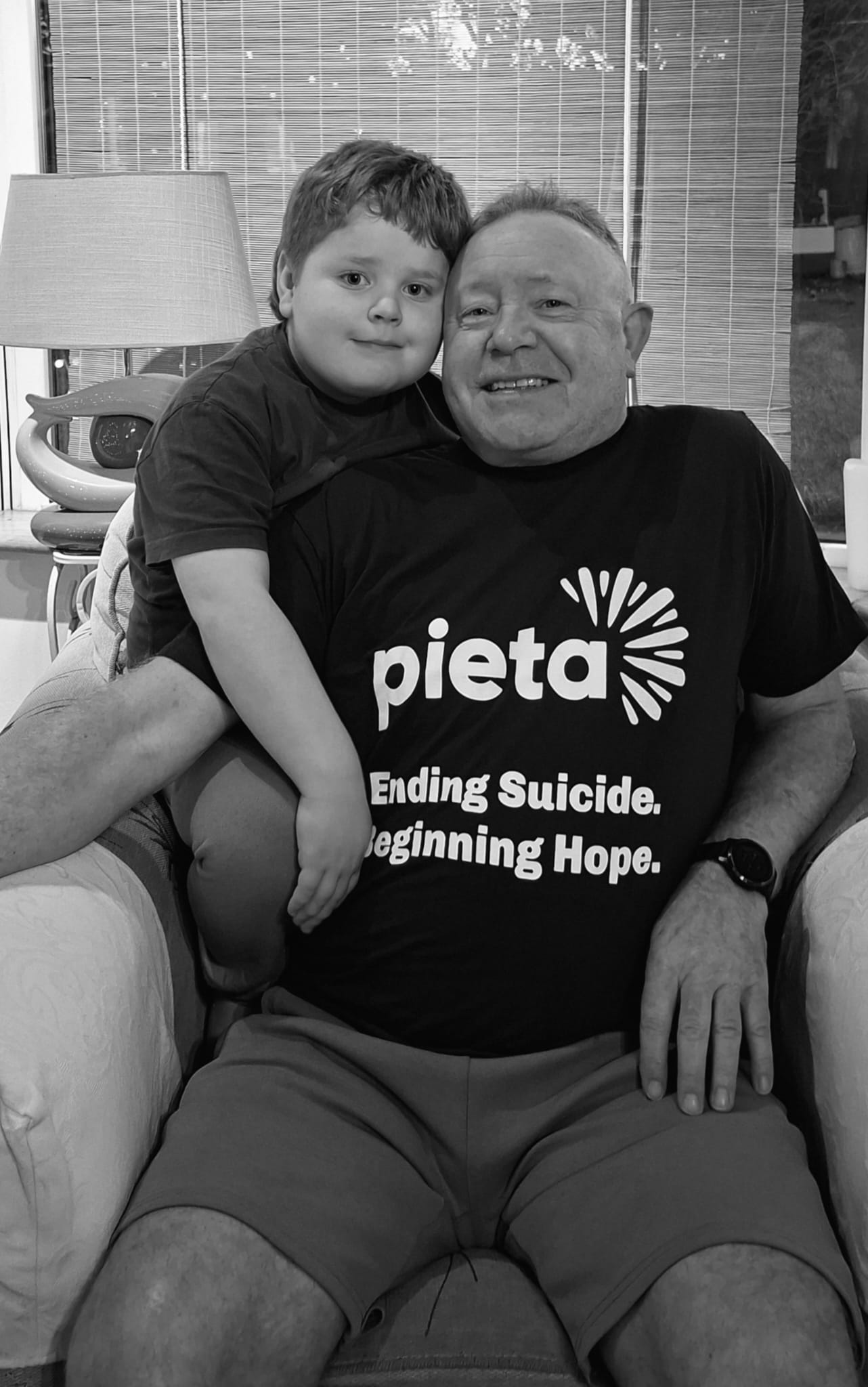
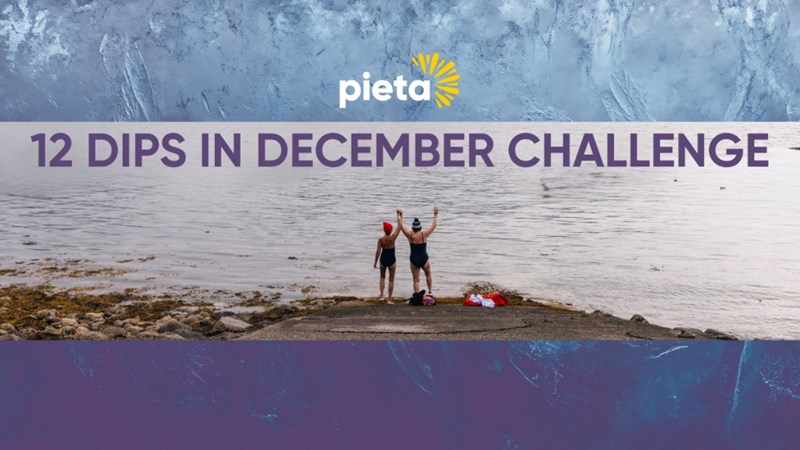
No “Movember” this 2025, growing facial hair just does not do it for me, looking in the mirror each morning screaming, “Sweet effing Jesus“. However I am doing the 12 Dips of Christmas. So if you have a fiver (€5) to spare, and honestly that’s plenty, Pieta would really appreciate the support. If you have your own charities then ABSOLUTELY no worries. Please support your local fundraising efforts. In actual fact, I’ve seen so many down in Fountainstown, swimming, I’ll wager I’m not the first to approach you for this cause. https://www.justgiving.com/page/garry-benson-1?utm_medium=FA&utm_source=CL
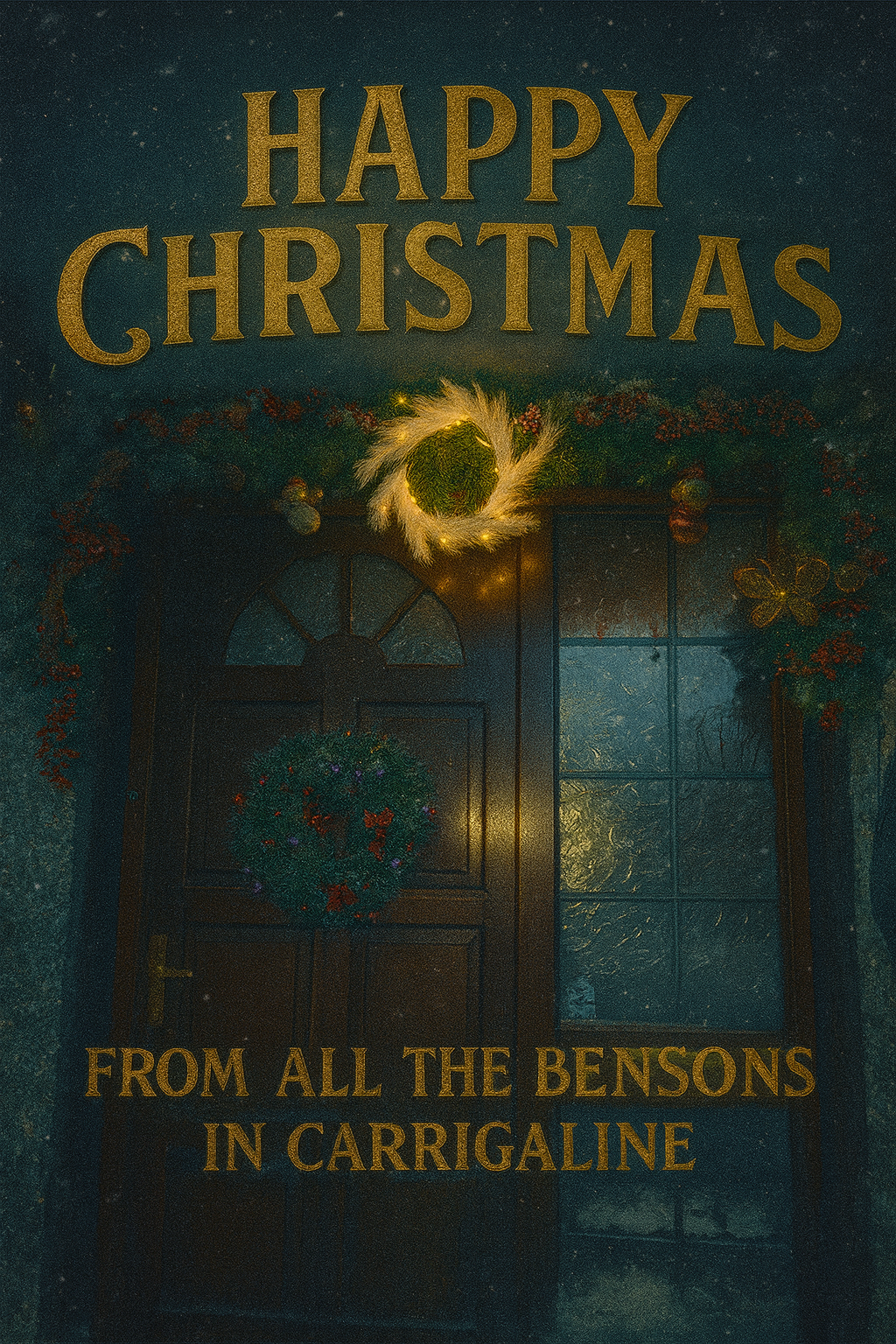
A ChatGPT creation after decorating the front porch and taking a snap.
Suffice to say, I’ve made way too many attempts to get a ‘Blog’ completed since May of this year. I’ve just deleted a number of attempts from my drafts folder (May, June, August and September) Now, come hell or high water, this year-end, a seasonal greeting will be published. 2025 was full of so much awfulness, Gaza, Trump, Ukraine, it was impossible (for me) to write a blog without OMG, the rage and the last thing I wanted to spread was a further rant on a blog. So, from us all here in rain soaked, frigidly cold, but getting a bit Christmassy, Carrigaline. My deepest best wishes for a beautiful, contented and loving Christmas
Hence I do year round sea swimming. It does really help the aches and pains. 🙂
To compound things this year, I’ve lost a long held phone in a Pollock Hole accident and a corrupted Laptop which I am very happy to report, have been happily replaced and repaired respectively but I’ve made more than my fair share of mistakes in restoring contacts. A very Happy Christmas to anyone who’s Christmas feels a bit different this year, I think sometimes we use Christmas as a checkpoint, each time it comes around, we see all of the things that have changed in the last year. We are flooded with the feeling of familiarity that comes with Christmas lights and pine scented candles or potpourri. But we are also met the the incredible awareness that everything has changed since the last time we decorated a Christmas tree. Maybe you’ve seen some heartbreak this year. Maybe you’ve experienced some loss, maybe you’ve done some healing. And maybe you’re still working on it. But no matter what you’ve grown, and you should really be proud of yourself for all you’ve made it through, this year. Whether Christmas feels heavy or light, even if your heart is caught between familiarity and change, Merry Christmas, even if Christmas isn’t quiet the same.
I’m going to keep this seasonal best wishes to a minimum. As much as I adore and love this time of year, it is also profoundly sad as we miss those who have left us, the joy’s and memories of times past, the tear jerking stuff on the TV, and as I have, honestly reflected in the past, I can “Cry for Ireland”
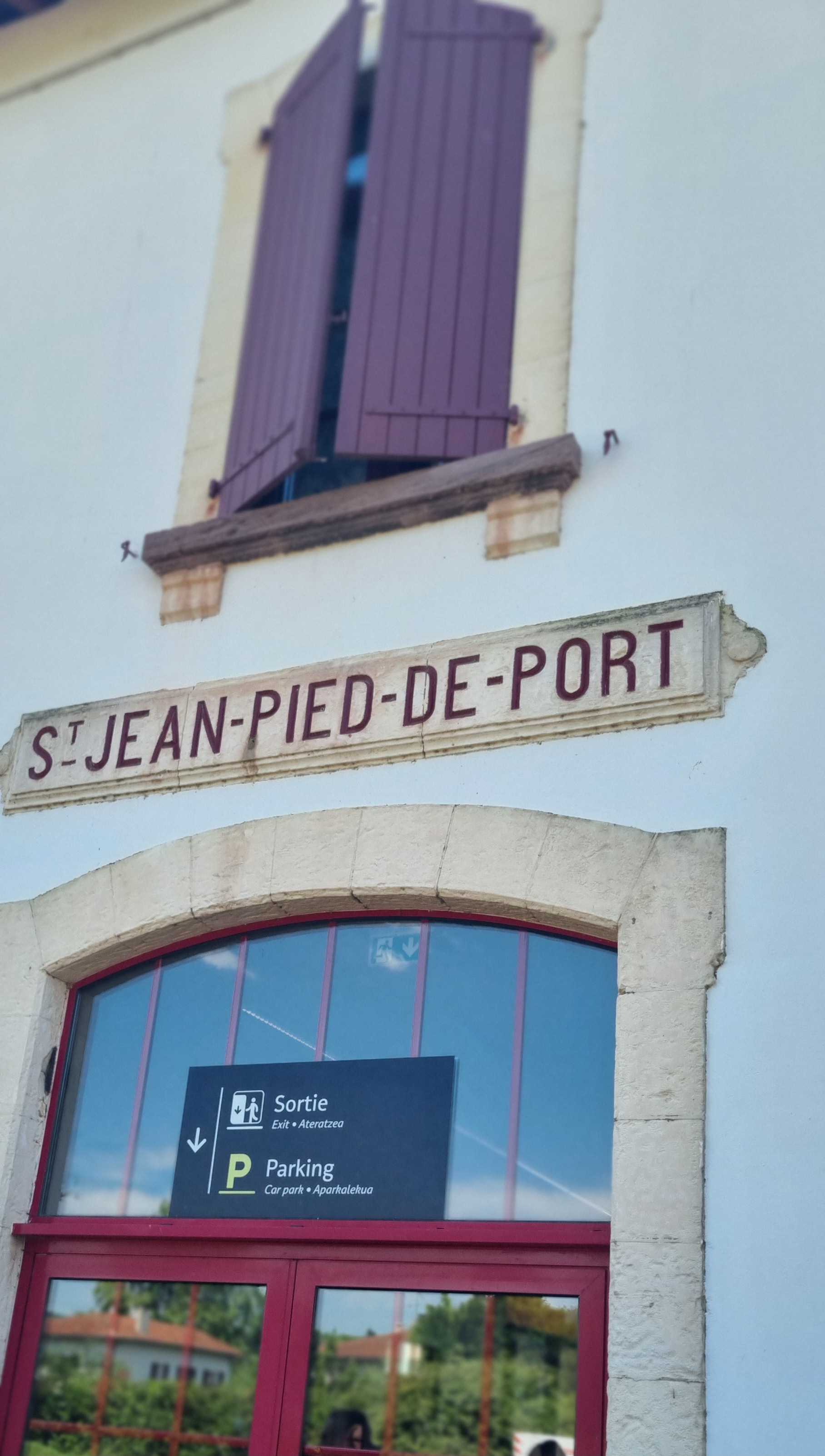
Camino Frances 2025. I did a small section of the Camino Frances this year. And, yes, I did some, but not enough TBH, training over and above my daily walking as there was considerable gradients, rough terrain and fairly dicey ascents on this three day 75KM section and I was seriously doubting myself. (Bricking it, is also a term we use here in Ireland) A buddy was to join me but as with all things in life, shit happens, and so I just got on with it and it was truly an amazing experience. And WHY may you ask was I attempting a walk of more than 90km’s in total over a pretty high mountain range, the Pyrenees, from France into Spain? Well, that goes back to the end of that rotten pandemic, and the decision to finally do something about my troublesome knee, from my illustrious rugby career (not) and took Mr. Right Knee, on his last walk around Kilkee and the pollock holes. Suffice to say that in the four years since my knee replacement, I’ve rehabbed the knee and wanted to challenge myself with what everyone on the bleeding internet was talking about, Camino de Santiago. And so in May 2025 I set off relatively nervously on my small section of the Camino Frances (the first 4minutes of David’s vlog linked here covers the section I happily completed successfully) and it was the most amazing, fulfilling and satisfying adventure I could have imagined, my short intro in May’s blog say’s it all, the incredible people, the walk in nature and the spirituality of the pilgrimage. I have more segments of the various Camino’s (and there are quiet a few) on my bucket list. The people I met along the way, including the most joyous Enniscorthy group one could be fortunate to meet, who took me into their flock, when I was feeling a bit lost and alone. I’ve lost whatever phone numbers and photos I had for them (explained above), so it will only be, by chance that they get to see this wee little blog. If you know them, please pass this along, with my sincerest thanks, as I’d love to reconnect. Thank you Edel Keogh, Hillary Rowe, Kay and Tom Herlihy, Katie Hart and Anne McVeigh for your fabulous Irish Craic and togetherness. Warmest Seasons wishes to each and every one of you.
I absolutely love Ireland, the Irish, our DNA and our sense of togetherness, craic and mutual ‘Oneness’* which I experienced on my wee Camino. I also met some amazing people (more on that below, with the Saw Doctors)’. Irish weather is frustrating, painful, beautiful and inviting all at the same time. I miss the warm sun we have experienced here in April and May which ‘brightened’ Ireland to no end. I miss the Spanish sunshine that is nearly guaranteed which made trekking the Camino such an lovely experience, and the many Spanish holidays, wonderful forever memories.
Trekking the Camino alone is both lonely and freeing at the same time, but my next adventure will be Camino Norte from Irun to Bilboa in May/June 2026 will hopefully be with some friends and fellow travellers (I’m far from a pilgrim, just a walker in nature).
The Saw Doctor’s Leo Moran & Davy Carton, joined Tommy Tiernan on the Tommy Tiernan Show. It was a spellbinding show. Dave and Leo were the most gracious people I’ve ever witnessed on TV. They later sang their masterpiece “Same Aul’d Town” accompanied by the magnificant RTE Concert Orchestra. It was plain to see this was an incredible joy for the Saw Doctors. This episode of The Tommy Tiernan Show (Link Below) also included the equally magnificant and brilliant, comedian Kyla Cobbler & composer Bill Whelan. (Full show link below)⬇️
Found this lovely YouTube record of the boys travelling to RTE in Donnybrook to record this surprise.❤️
Friday 07th. November 2025
Multitasking my arse. It’s a fools game. As I write this blog, I’m up and down from the keyboard to do
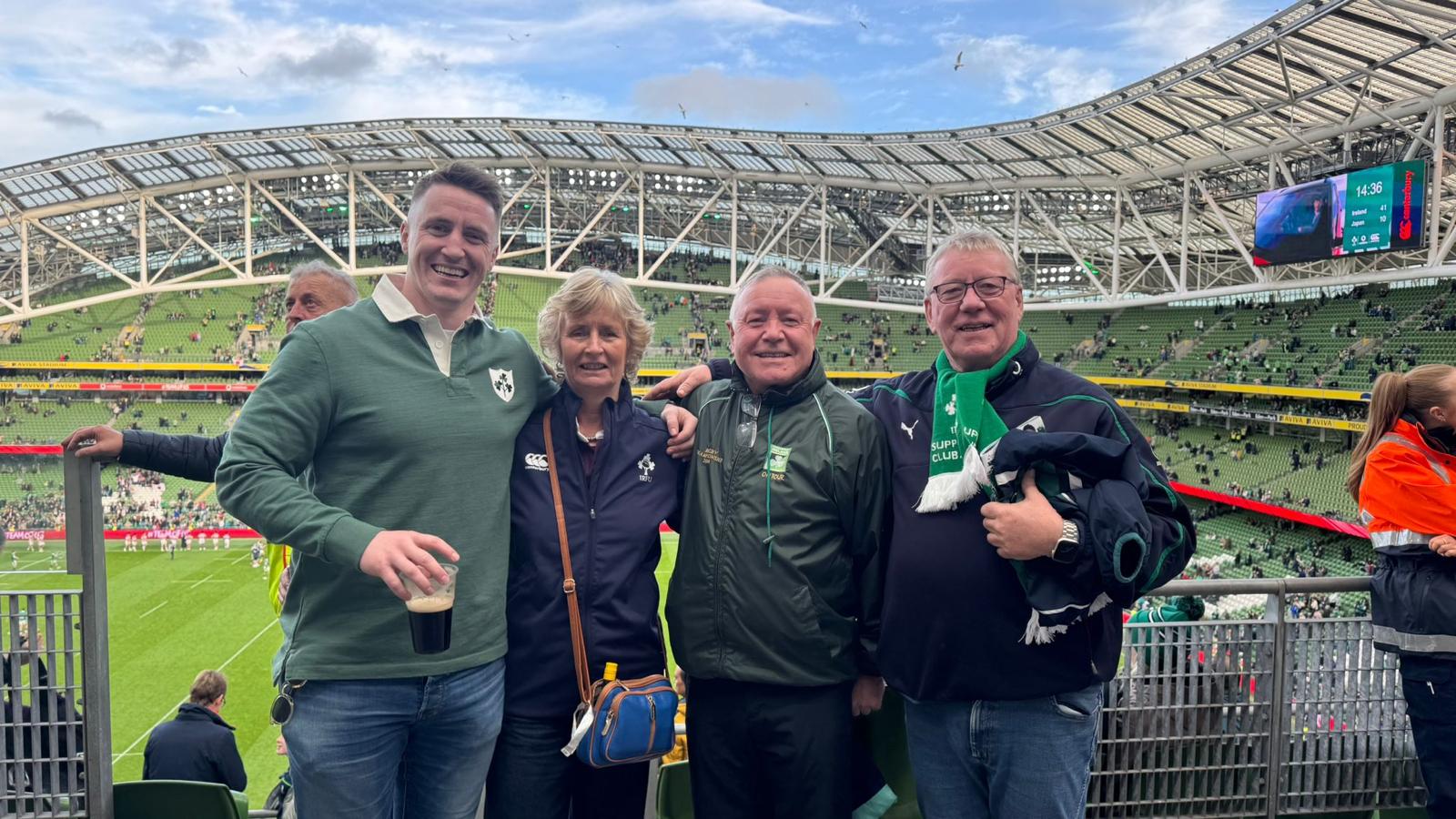
A. Organising myself for a trip to the Aviva Stadium in the morning to see Ireland V Japan in the Autumn Internationals, (with Niall, Claire and Adam)
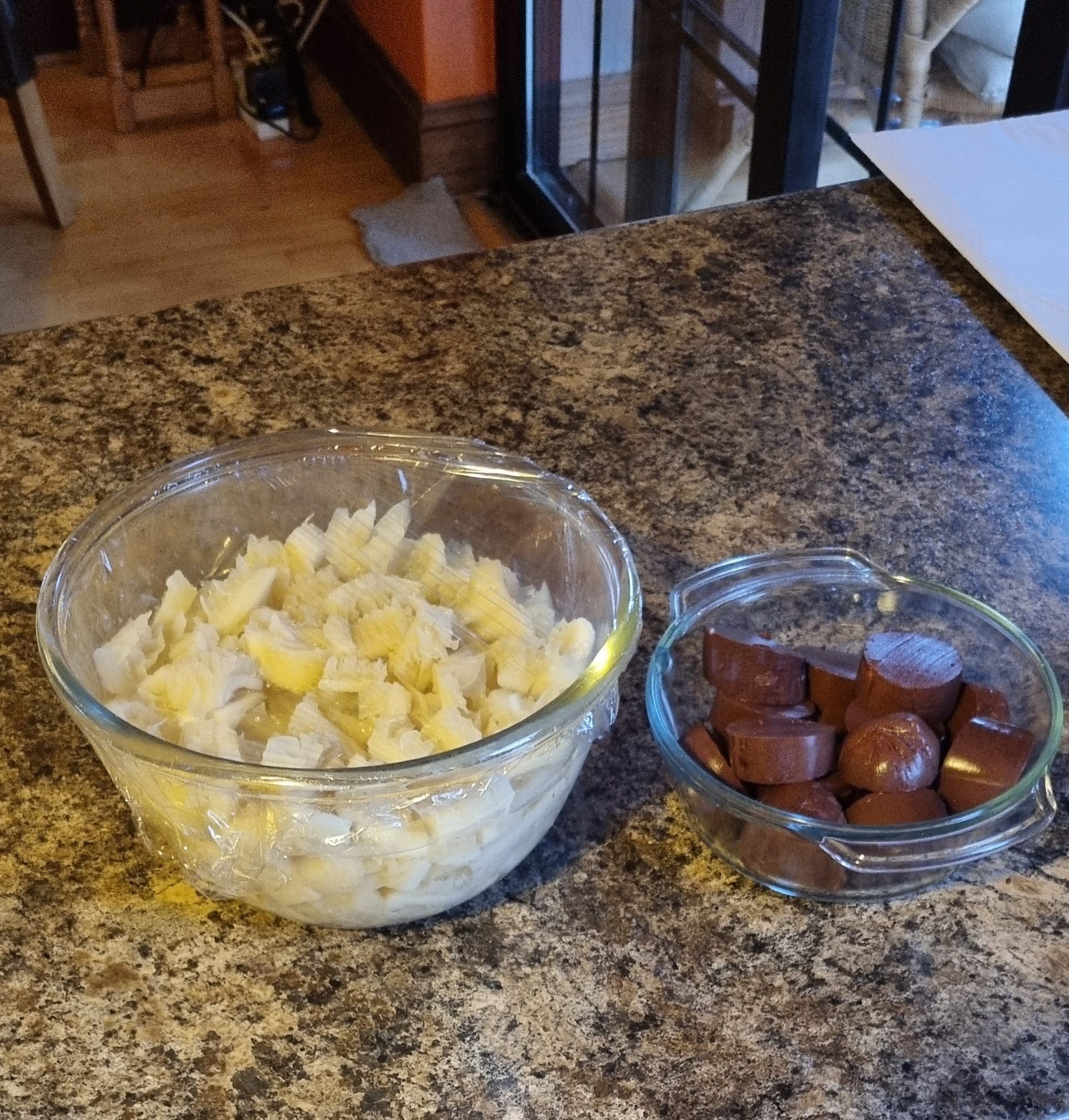
B. I’m also attempting to do a pot of Packet and Tripe as a traditional set-up to a big rugby match. Many a Friday evening or Saturday morning I leave Cork for Limerick city via Crohan’s Butchers in Kileely, Limerick to pick up the Packet and Tripe which Mam would carefully and lovingly cook in order for me to have a good feed before the rugby match in Thomond Park. Follow the link to see the recipe from an earlier blog. Not a lot of folk like the idea of this traditional meal, even less like the look of it but many, many generations in Munster (Limerick and Cork) survived on traditional food such as this.
A few bits, pieces and quotations…..
The life that you want is on the other side of the work you are avoiding, Jimmy Carr
Philosopher George Addair once said, ‘Everything you’ve ever wanted sits on the other side of fear’.
“The magic you’re looking for is in the work you’re avoiding”― Chris Williamson
Good Luck Andrea and Pat
We lost a lot of good folk this year, and I don’t expect 2026 to be much different as my age creeps up. Two absolutely lovely guys and really good friends departed this beautiful Earth in the very recent past. Andrea and Pat, both good men, both have a place, forever in my heart. I’ll miss them both, but I also know we will share a pint again soon, in a special lounge in the next world, which will truly be a “Heaven”. Andrea, (Castigiolioni) a true Italian, warm, chatty, intelligent and adored an Irish pub, as also my dear friend Pat (Slattery) of my Nirvana in west Clare, Kilkee. Pat, a sharp, traditional, GAA loving conversationalist with great stories of his time on this Earth, in Kilkee, London and New York. Loved the guy for his warm Kilkee welcomes and stories. Ar dheis Dé go raibh a anam.
One of the comments (see below) on this video captured all my feelings on seeing this video.
A very topical issue here in Ireland at the moment due to the absolute rate at which pub’s are closing and going out of business. Over 2,100 pubs in Ireland have permanently closed since 2005, a decline of nearly one in every four pubs. The closures are accelerating, particularly in rural areas, with an average of two pubs shutting down every week.
Key Statistics
Future Outlook: Industry analysis suggests a further 600 to 1,000 pubs could close over the coming decade without government intervention.
Total Closures (2005-2024): 2,119 pubs have closed their doors permanently.
Closure Rate: This represents a 24.6% reduction in publican licenses nationwide.
Average Annual Closures: An average of 112 pubs closed each year, but this rate increased to 128 annually between 2019 and 2024.
Rural vs. Urban Impact: The decline is most acute in rural Ireland.
Counties with highest declines: Limerick (37%), Offaly (34%), and Cork (32%).
County with lowest decline: Dublin (1.7%).
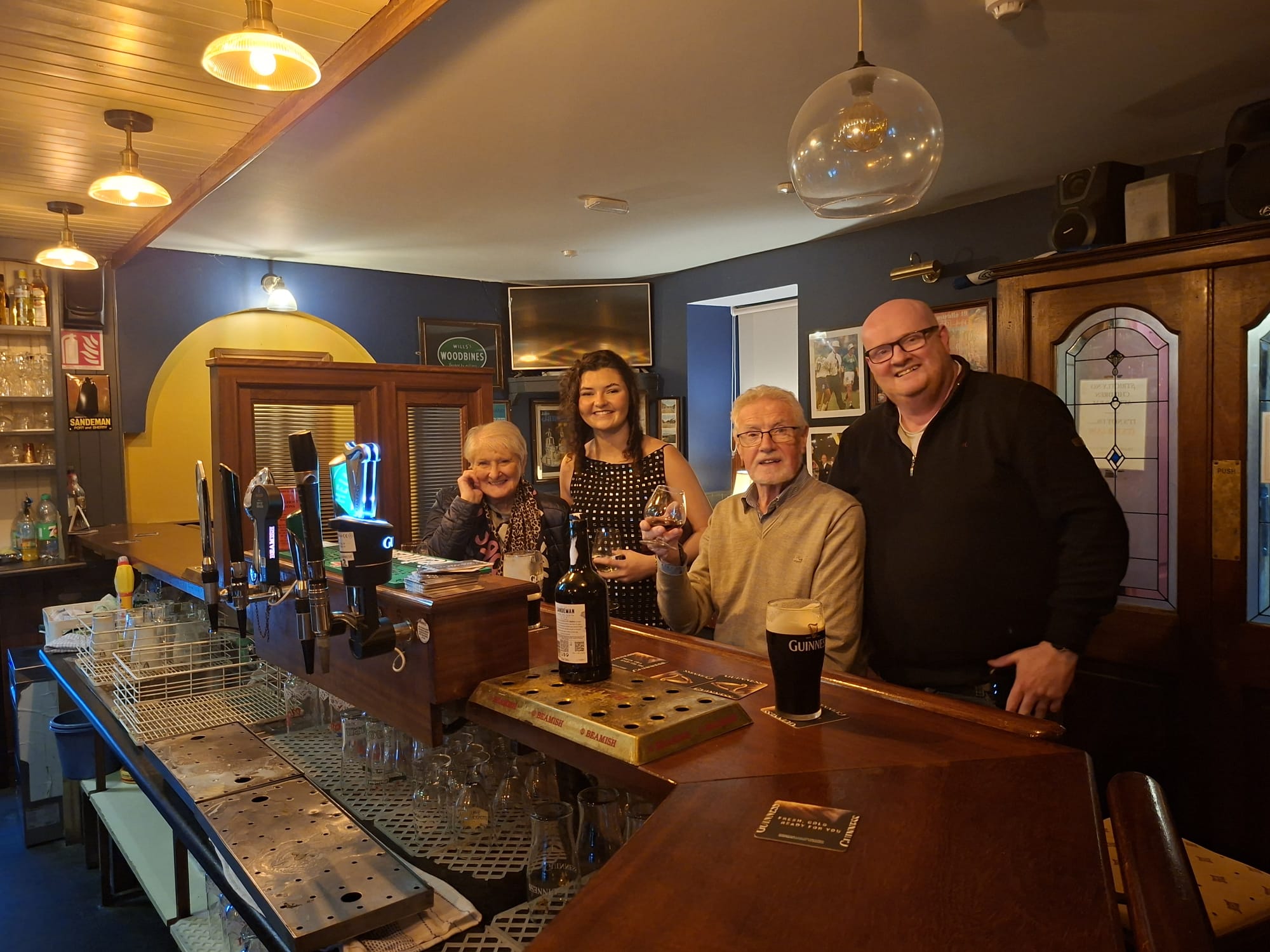
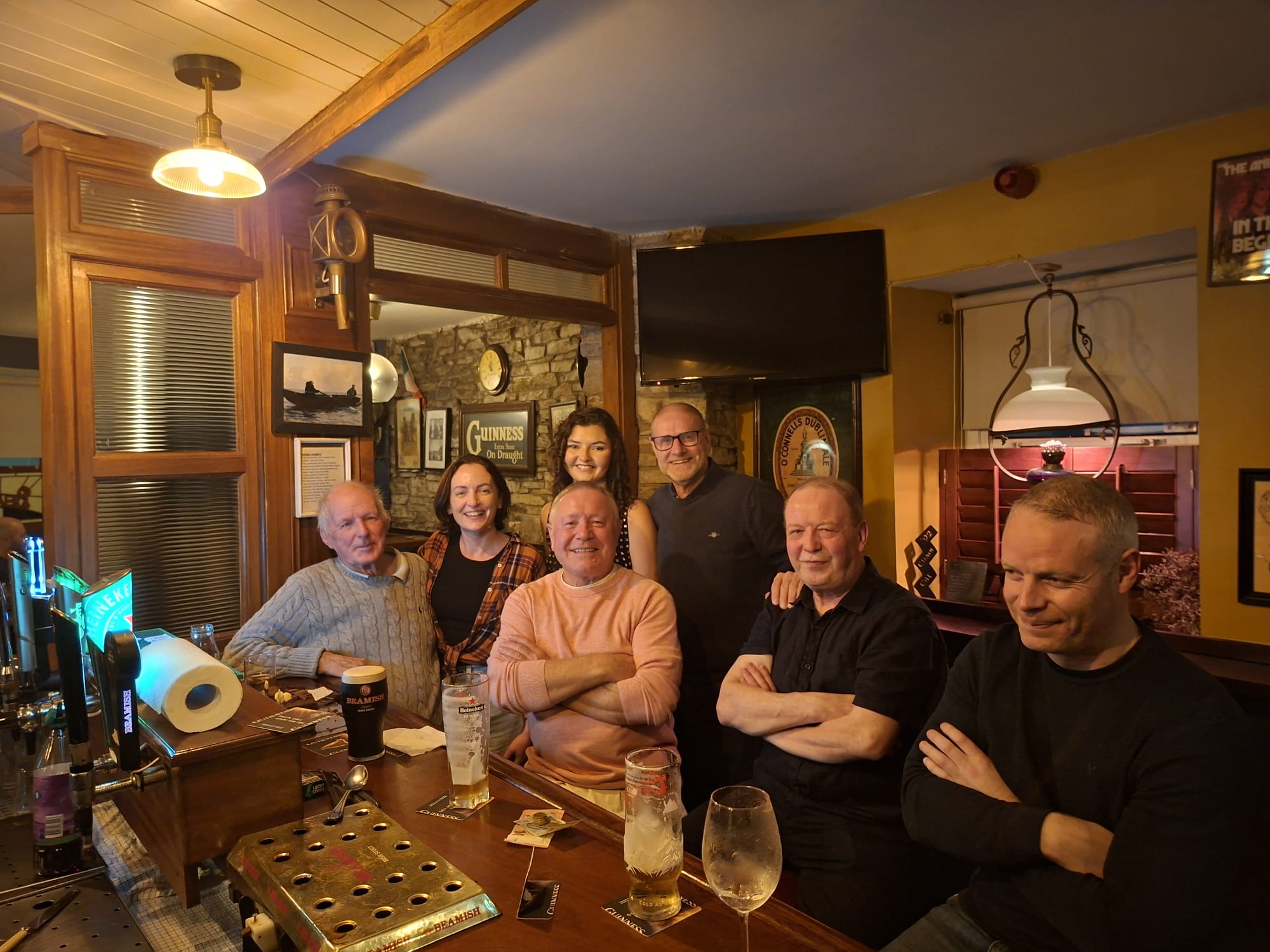
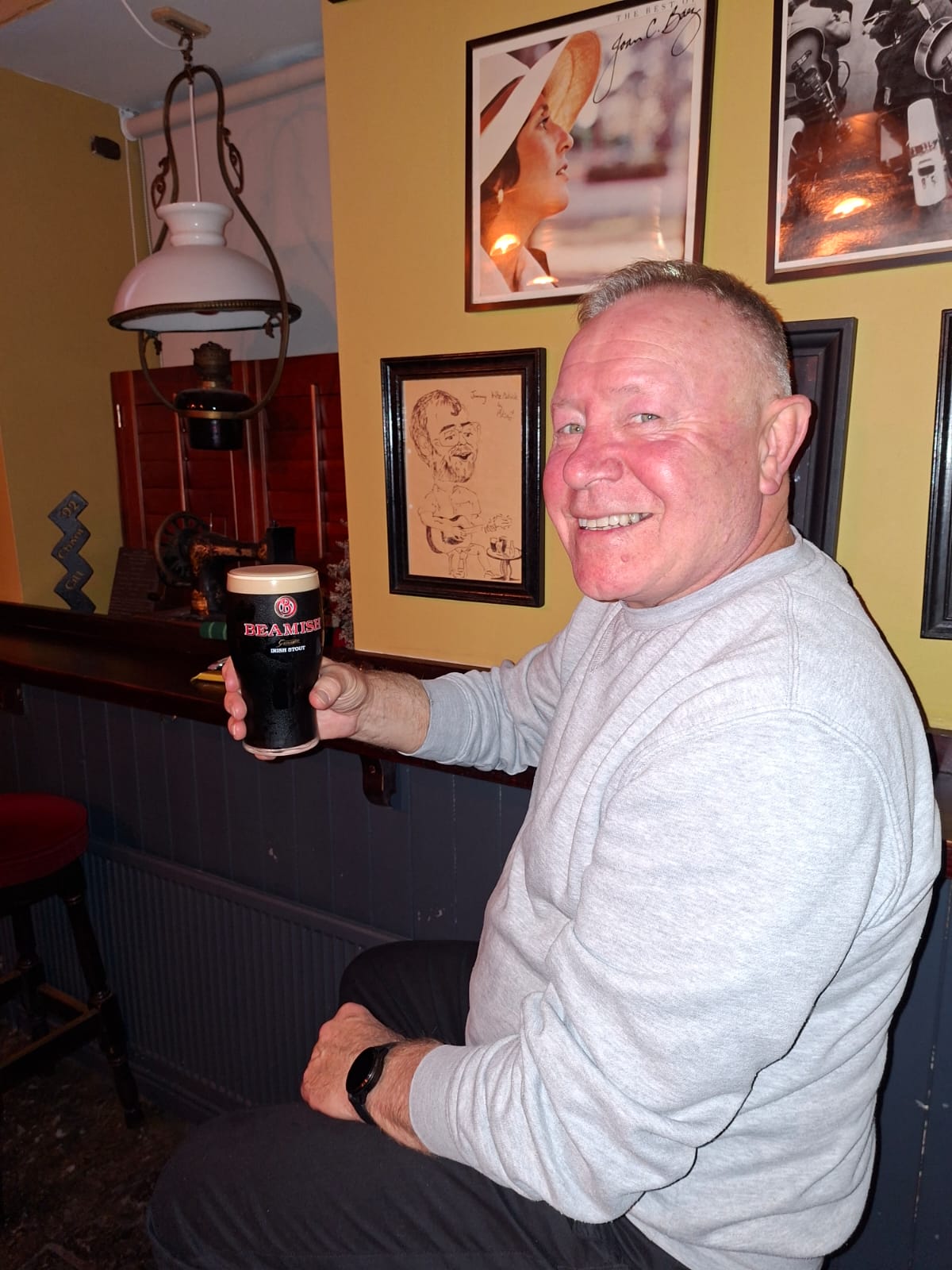
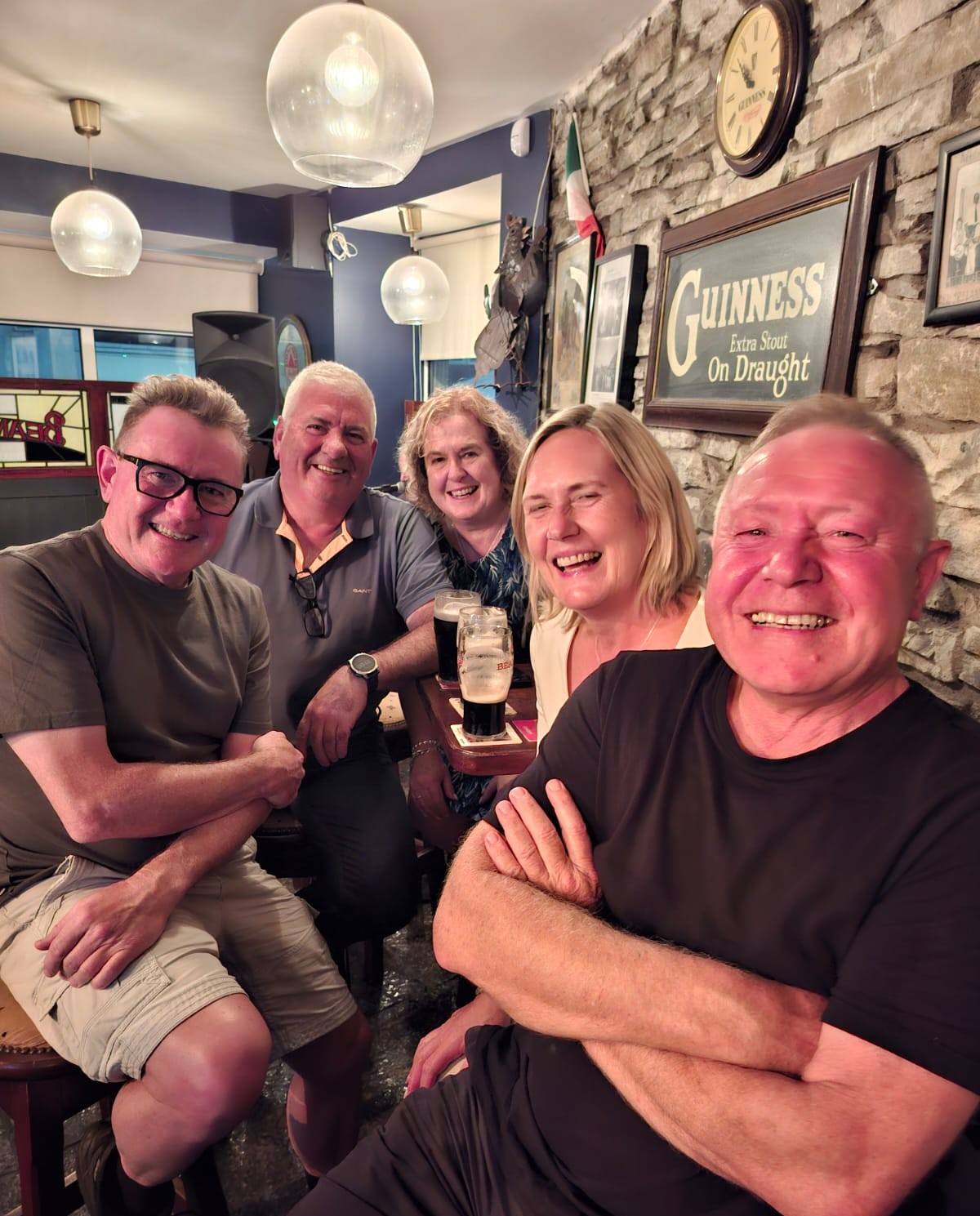
I am blessed to have one amazing “Local” as we say here in Ireland, and it happens to be a few hundred kilometres from my home unfortunately. Regardless, when I am in the West Coast of Ireland I spend some great evenings from June to November with a fantastic collection of ‘Pure’ locals and a plethora of ‘Blow-ins’ enjoying a pint of Beamish and the best of chinwags in Fitzpatricks, Chapel Street. Check it out, next time you are in Kilkee over the summer. I’ve featured Fitzpatrick’s in previous blogs. Stay well, gang, until we meet again in 2026.
Crikey, the amount of folded arms made me laugh out loud.
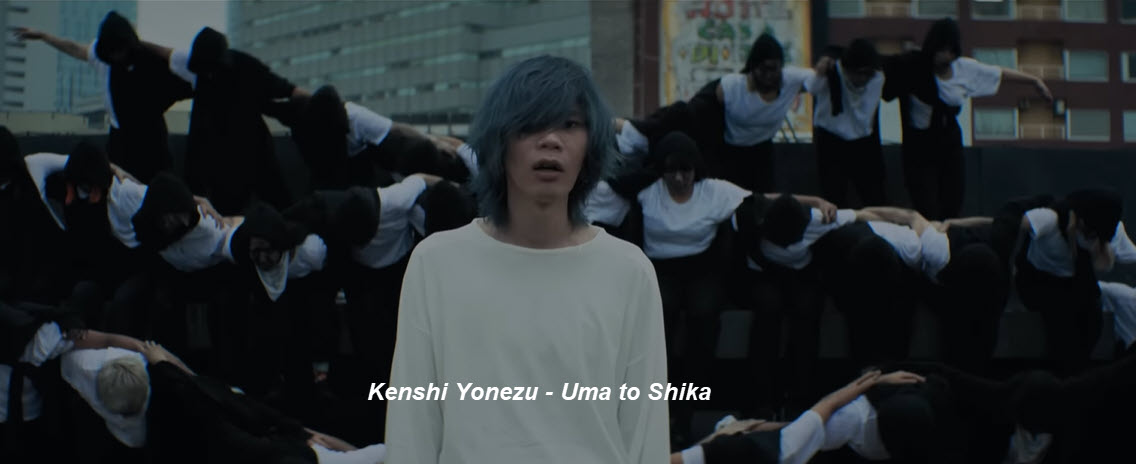
Music, is probably one of the most important mood enhancers for me personally and I love to hear new tunes. They played a fantastic piece of Japanese pop music while I sat in the Aviva stadium waiting for the Ireland v Japan game to start. I quickly opened my ‘Shazam‘ App on my phone. Now I have a Japanese artist to watch out for. This is worth a listen. Kenshi Yonezu – Uma to Shika, the most Eurovision sounding songs I have heard in a long while. https://www.youtube.com/watch?v=ptnYBctoexk
Please pass this blog along to anyone you might think would like it. All ‘links’ are checked and safe and you will also find many other ‘Christmas’ related stories if you do a bit of digging here on http://www.findmywhy.blog
Next blog will concentrate on Meditation Practices, Transcendental Meditation, Mindfulness and soothing the noisy mind.
Our next blog for May will talk about a short adventure on the Camino Frances. A story of anxious anticipation, tough climbs, treacherous decents, stunning scenery, but most of all, the incredibly diverse, smiling, happy, contemplative group of people participating in this pilgrimage. Thomas, an automation engineer from Sweden, Pamela, HR Professional from USA, Jaco, Electrical business owner from beautiful South Africa, John, also in the Electrical trade from Auckland, NZ, Barry and the missus from Sydney and many more from China, Japan, Canada France and Spain who I just did not catch all names. Special mention to those bringing laughter and joy, the Irish pilgrims, of which there were many. An especially happy crowd from Enniscorthy, Edel Keogh, Hillary Rowe, Kay and Tom Herlihy, Katie Hart and Anne McVeigh. All will be compiled, edited and with the best will in the world, published before month’s end. Watch this space.
Sometimes, just sometimes, something very special crosses your path and last Saturday and Sunday 5/6th. April were very special days. First off, on Saturday 5th. the mighty Munster Rugby played the ex-munster superstar, Ronan O’Gara’s “La Rochelle” and came away with a famous win. It was one of those classic Munster days in knock-out rugby, much to the delight of many thousands of travelling fans and also to the hundreds of thousands watching on TV like me in Marrinan’s in Kilkee. The highlights video is embedded below but as always, after what he called a “special day” in La Rochelle on Saturday, Munster’s head of rugby operations Ian Costello said the province are targeting three more such occasions in the Investec Champions Cup this season.
Later that evening while chilling after the spectacular Munster result I was fortunate to watch another TV classic masterpiece by Tommy Tiernan on “The Tommy Tiernan Show”. This was Public Broadcasting at it’s very best and worth every penny of the annual licence fee. Link to the full show below. Fortunately for me, the show featured three really superb Irish artists from the music scene, the comedy circuit and certainly one of Irelands greatest contemporary composers. The line-up, were Leo Moran & Davy Carton from the Saw Doctors, a most amazing Irish comedian, Kyla Cobbler & incredible composer Bill Whelan (Riverdance) joined Tommy. Tommy’s show is a rather unusal concept in that, he has no clue as to who will be appearing on the show, so it’s off the cuff stuff which can sometimes be really amazing.
Davy Carton and Leo Moran were a huge highlight. Two of the most talented and gracious human beings to have ever come out of this little Island of Ireland but the truly amazing part of Tommy’s show was the Saw Doctors rendition of their haunting song “Same Aul’d Town” accompinied by the RTE Concert Orchestra. It was mesmerising and the Saw Doctors themselves were obviously moved by the whole occassion. You’ll have to watch the full show in the link below to appreciate the performane fully. This video is a snippet of the full performance.
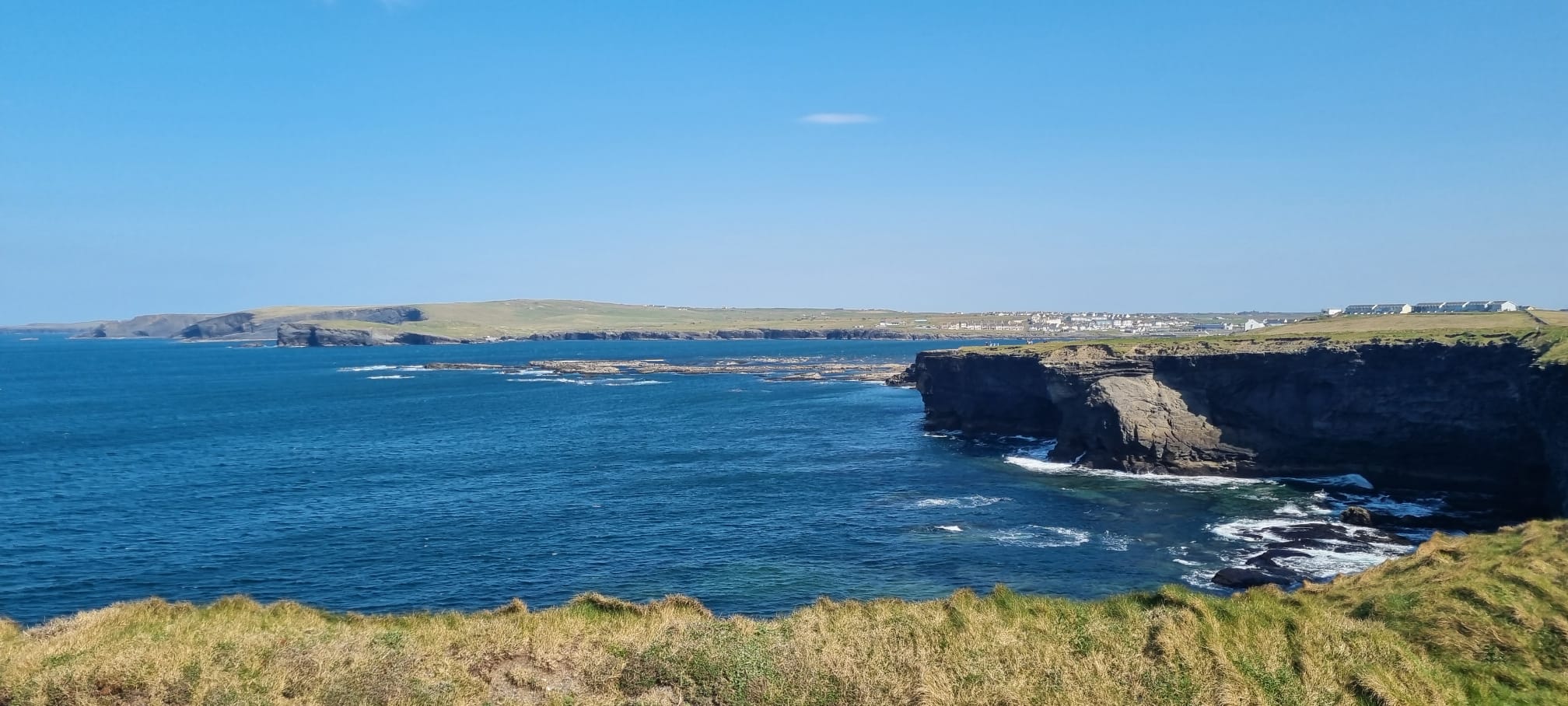
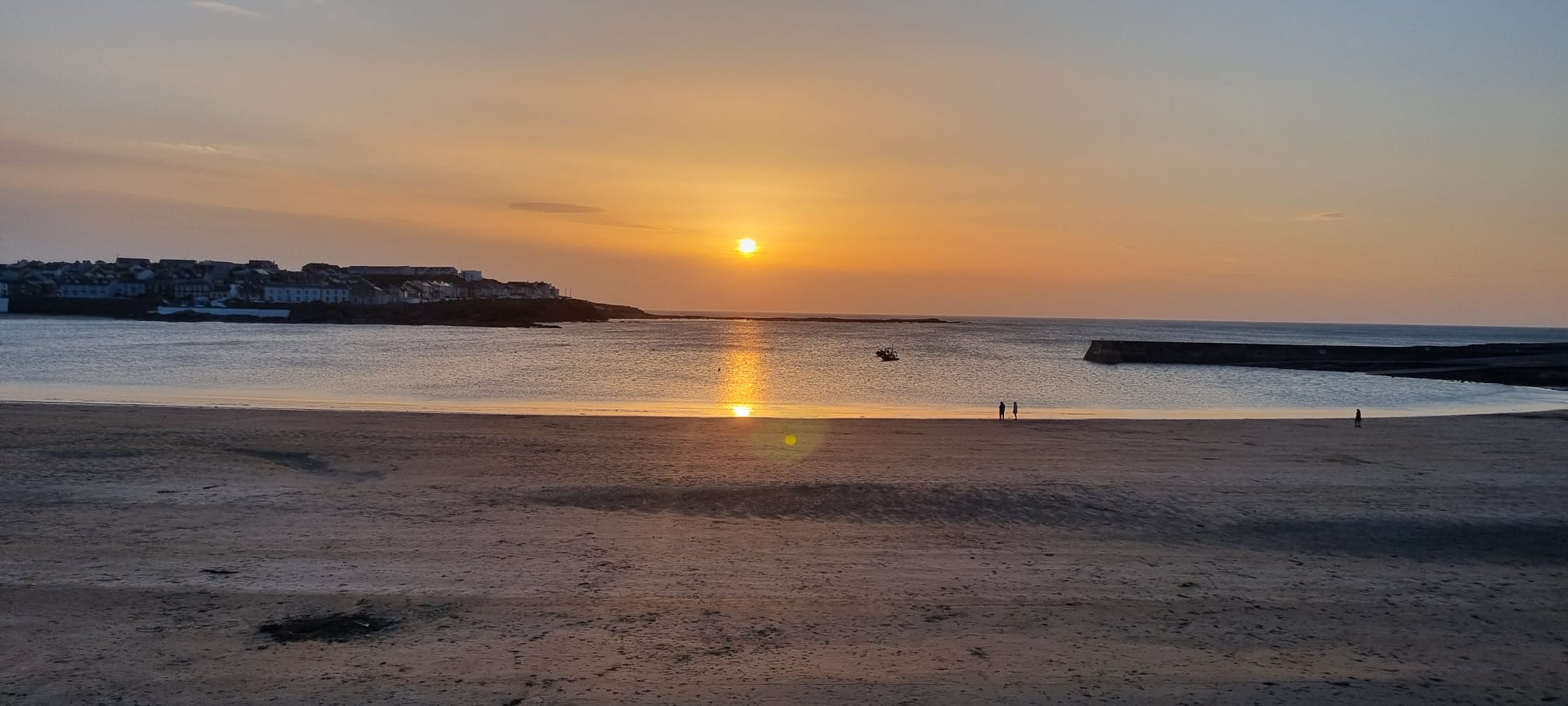
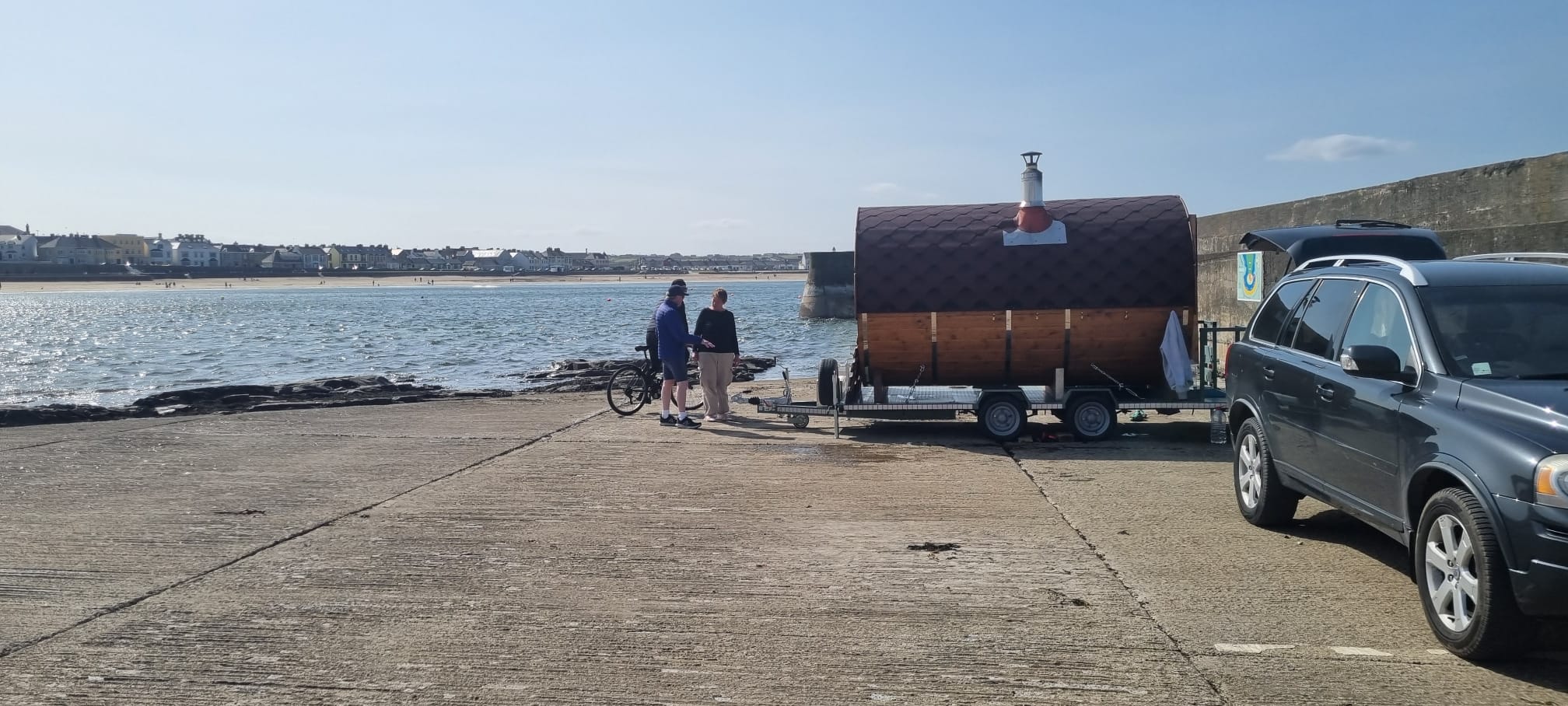
Opening up the mobile Home in Kilkee is always a special time of the year and the weekend of Saturday and Sunday 5/6th. April was just that. A stunningly beautiful day, a great rugby victory for Munster Rugby, a magnificent sunset on Moore Bay that evening and the most incredible sauna from Inis Cealtra Sauna _ Saunafy, Heat Me Happy on another beautiful Sunday morning at Kilkee Pier
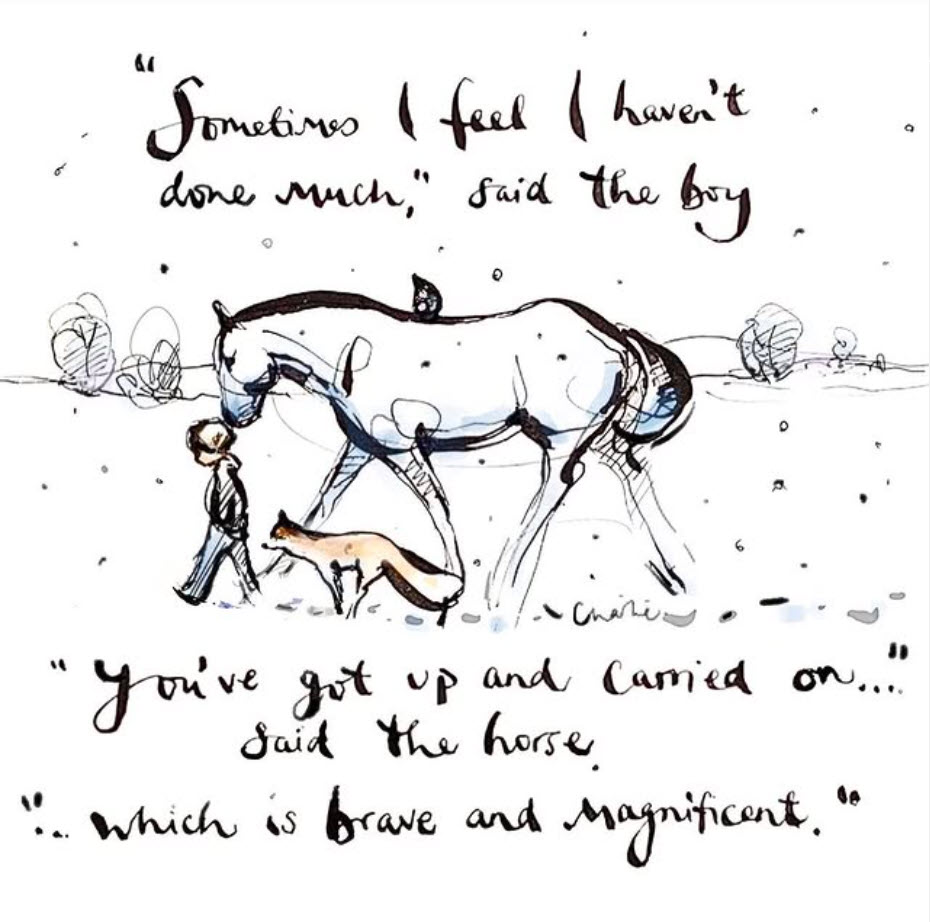
As usual, I always advise, that I have checked all links and they are safe. I hope all readers are safe, well and in good spirits. And remembering a previous blog I did on Charlie Mackesy
Happy April:
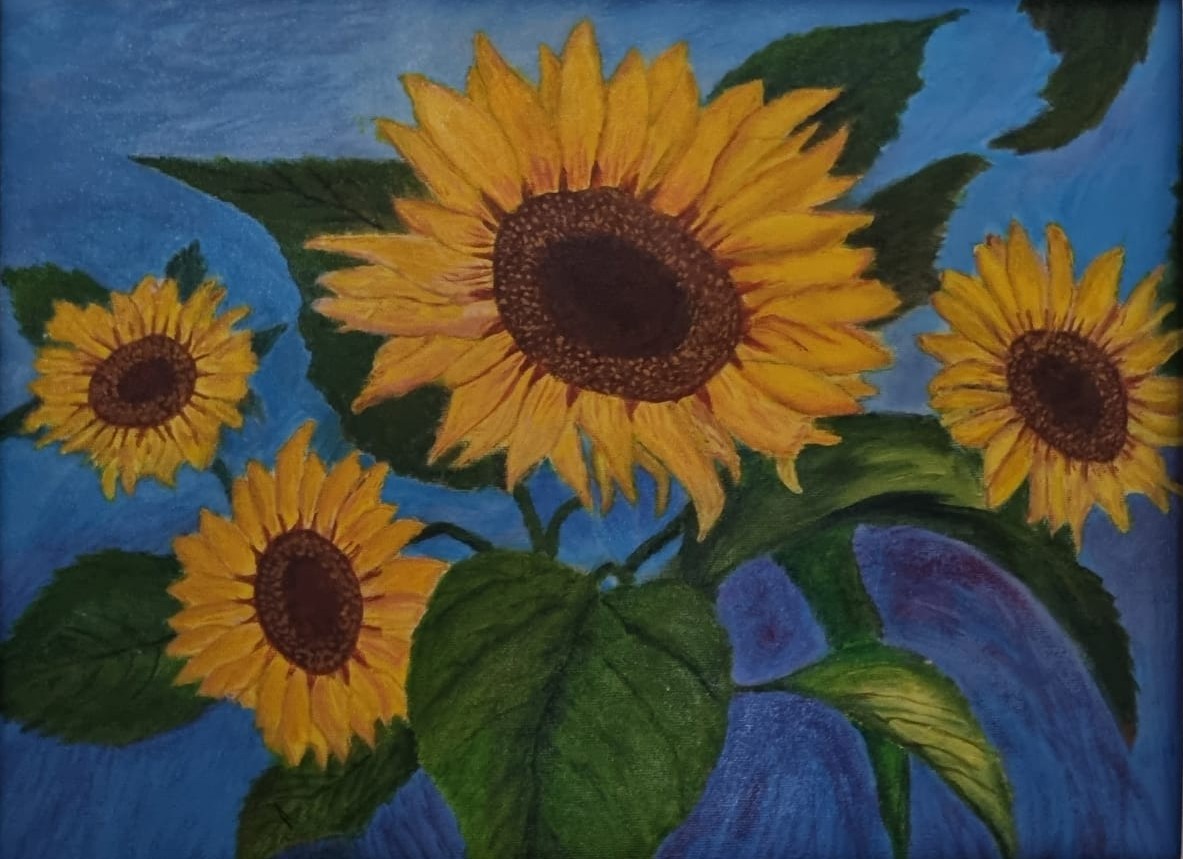
One of my mam’s incredible paintings, ‘The Sunflowers’ which greeted me in Connie’s beautiful home in Kenmare. I was on my way to a ‘Dark Skies Event in Skelligs on Thursday 27th. march and popped in to say hello. How happy was I to gaze on one of mam’s lovely paintings.
God, the world is a crazy place at the moment and with the leader of the free world being completely intellectually unhinged, unpredictable and outrageously divisive.
And when you despair that the Trump era will not be opposed, challenged and even stopped, think again, see what Senator Claude Malhuret had to say to the French Parliament.
Dedicated to those ‘Mná’ closest to me, Mary, Elaine, Louise and Jessica. For 2025 I’m only going to notify you of two blog publications, the First (January / February) and the last, December 2025. Feel free to wander back in throughout the year and explore what is posted. As with all my blogs, follow the links (all safe and tested) to very interesting places. January and February 2025 (even typing 2025 is gobsmacking, as it was only yesterday when we were all waiting for the world to disintegrate for Y2K, January 2000, scary time. And, yet we’ve managed to see 25 years beyond this unknown step into the naughties.) At the bottom of this blog is a small selection of snapshots taken in January and February 2025. Two months of serious sneachta, báisteach agus gaoth. (snow, rain and wind)
Lá Fhéile Bríde
St. Brigid’s Day 2025. I adore this time of year. The passing of January into February. A special time of year but more specifically a truly special celebration of the ‘Womans’ role in our lives. In many of my blogs I have referred to the influence, impact and inspiration that Mná na hÉireann have had on my spirit. From my beautiful Mam, my towering rock sisters, Kay and Helena, the inspirational women in my life Mary L, Elaine B, Lousie B and Jessica B and the countless wise women who have coached, guided and counselled, inspired, advised and warmly accepted and embraced me along the way, Annette S, Anita L, Alice R, Brenda R, Caroline C, Catherine S, Connie C, Christine H, Dorothy R, Emear F, Julie Mc, Linda R, Lorna F, Mary T, Maire O’L, Mary O’S, Marita B, Nadine Mc, Ruth G, Sonia C, Ximena A, and so many, many more. The Feminine Strength.
One, very moving piece of music and powerful lyrics that resonates with me and my admiration of the journey of women, is written for the musical ‘Waitress’ by Sara Bareilles. The song is sung by the lead character, Jenna, in the musical. It comes near the end of the second act when she has hit rock bottom, dealing with an unwanted pregnancy and an abusive husband. She is completely lost and her sorrow and despair have made it almost impossible to remember who she is inside. She’s mourning her lost self, but gains confidence as the song progresses. Below, is this magnificent musical moment, where Sara Bareilles the songs writer and Rufus Wainwright, duet this simply incredible and emotional piece so perfectly, It moved me to tears. Thank you both, so much. Sometimes we forget to be grateful that we live in a world with voices such as these
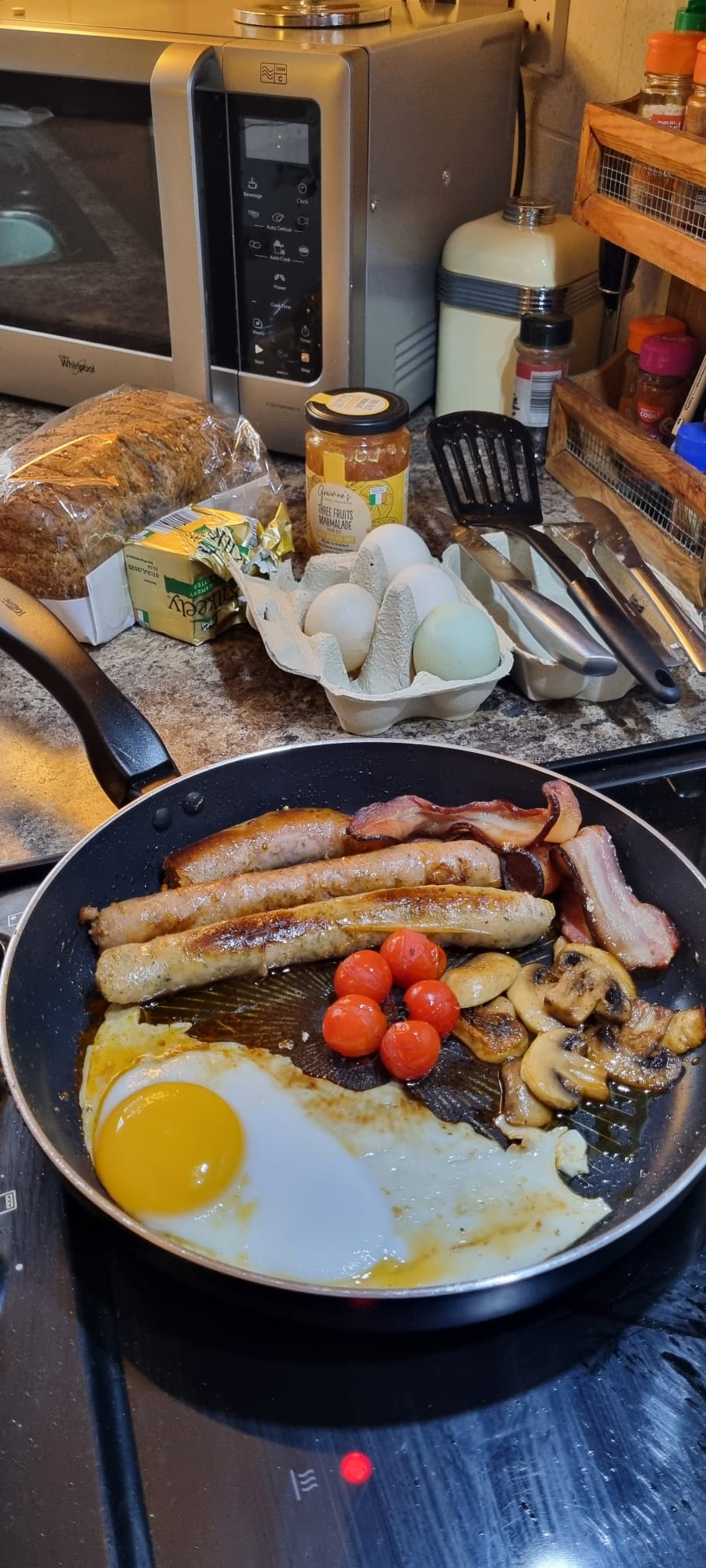
New Years Day – some random day in February, For those who know me well, February also means my New Year celebration, (never start a new years resolution with a birthday late in January, failure guaranteed), new beginning, springtime. And how do I celebrate same? The joy of a celebration breakfast with Duck Eggs, Gourmet Sausages from O’Flynns or even sausages from my childhood, Mattersons Streaky bacon (Rind On), Toamatoes, Mushrooms, Brown Bread with lashings of Irish butter, thick cut marmalade and either the best coffee available in Cork, Three Fools Flat White, or a strong cup of Irish Black tea (Barry’s or Lyons). Jesus, I’ve died and gone to heaven.
FINALLY – Those who know me well also, will have my “Exercise is Life” mantra ringing in their ears. One of my new years resolutions is to shut the fu** up about exercise. Me pontificating about getting the daily exercise can do more harm than good. So for now, I’ve compiled this 5 MINUTE clip in case anyone is interested. Enough Said.
Talk again in December, but remember if you want to be notified if I publish a post between now and December, just FOLLOW ‘findmywhy.blog’
***May your year and life be fillled with contentment, gratitude and luxury. (click banner above for a New Years resolution)***
The real luxuries in life:
health,
a quiet mind,
slow mornings,
ability to travel,
rest without guilt,
a good night’s sleep,
calm and “boring” days,
meaningful conversations,
home-cooked meals,
people you love,
people who love you back
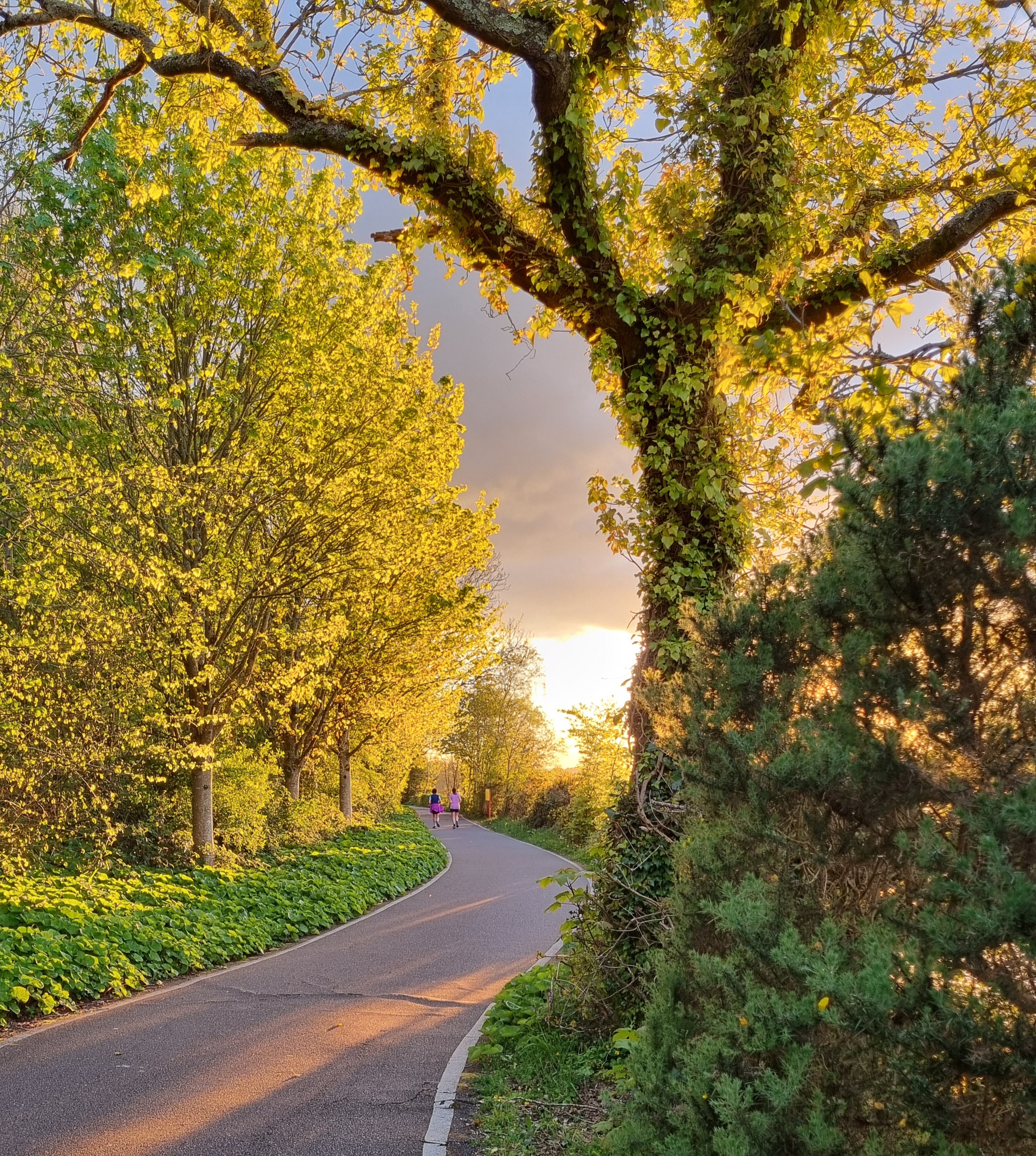
Crosshaven Railway Walk on an autumn evening
Joy does not arrive with a fanfare on a red carpet strewn with the flowers of a perfect life joy sneaks in as you pour a cup of coffee watching the sunlight hit your favourite tree, just right and you usher joy away because you are not ready for her your house is not as it should be for such a distinguished guest but joy cares nothing for your messy home or your bank-balance, or your waistline, you see joy is supposed to slither through the cracks of your imperfect life that’s how joy works you cannot truly invite her you can only be ready when she appears and hug her with meaning because in this very moment joy chose you Donna Ashworth
Mindfulness is not easy, but it is simple. Hello Readers, just back from my Mindful Exercise, it’s the highlight of my day, every day, and I have my Mindfulness teacher along with me, via the power of my smart phone, guiding me wisely. An insightful and amazing Teacher and if you can get on one of Catherine Sutton’s courses, you will be blessed.
The following paragraph is from an unpublished bolg in January 2016, 9 years ago. The speed of life is frightening sometimes.Remember I spoke of the ‘Fork in the Road‘ well I have only just signed the contract for a new exciting position, starting next Monday 18th. and then off for my first global meeting, on the 20th. All go and stomach knotting just the same. I’m making 2016 my mindful challenge. Then I’ll write about it. On the blog. Got this video clip last night and it’s perfect. You may have seen it already. It’s a brilliant animation that gets to the heart of what mindfulness is about.Mindfulness is not easy, but it’s simple
It doesn’t come naturally, that is why it requires a lot of practice.
Mindfulness, for me, is all about stopping and focusing on my breathing, that in itself, takes a ton of practice as the ever chattering mind intrudes continually. It will take time and practice to learn to focus on your breath, while accepting that the chatter will always be there. The difference, is that over time, you will be able to live with, and acknowledge the chatter without jumping back into its emotional malestrom. You will be noticing what’s happening, while all the while staying with the breath. Mindfulness is a practice for the whole of life. It’s about finding a different way to respond to experience throughout our day.
It isn’t about emptying our mind. Our minds produce thoughts, it’s what they’re built for, and our mind keeps on producing them even if we do happen to be meditating. We can become calm and settled by learning to accept our thoughts, making room for them or letting them go. It is always good to remind ourselves that thoughts are just that… thoughts. No need to dwell on them, fight with them, act on them or try to avoid them with drugs or other distractions.
It isn’t a technique. Mindfulness isn’t something you do. It’s a way of being. It isn’t a way to fix our problems. Mindfulness can help eliminate depression, anxiety, stress or chronic pain, but not by fixing them. We learn to relate in a new way to the things that trouble us, rather than trying to make them go away. Having a mindfulness practice is about re-training our minds so that we can cope with whatever comes our way.
It isn’t scientific. Research into the effects of mindfulness and its impact on the mind and body are impressive. It is helping to bring mindfulness into the mainstream. Science can measure what mindfulness does, but it can’t measure what it is. Measuring mindfulness is a science; practising it is an art that requires presence, awareness, connection and living in the moment.
It isn’t a fad. Our communities are becoming more distracted than ever before. Mindlessness is rampant and there is a growing epidemic of mental suffering. Modern culture seems to be focused on wanting more, getting more and having more. Mindfulness is about being grateful in the moment and is here to stay!
Our warmest and sincerest best wishes to everyone reading this blog for a peaceful, contented and healthy 2025.